
Making Blocks in Small Scales
- by Igor Brekhuntsov
Usually, in the literature for ship-in-bottle modelers, it is recommended to simply imitate blocks when building models, for example, with a drop of glue or some other method, and this is quite acceptable in very small scales. But if the scale allows, blocks made of wood look much more interesting and functional.
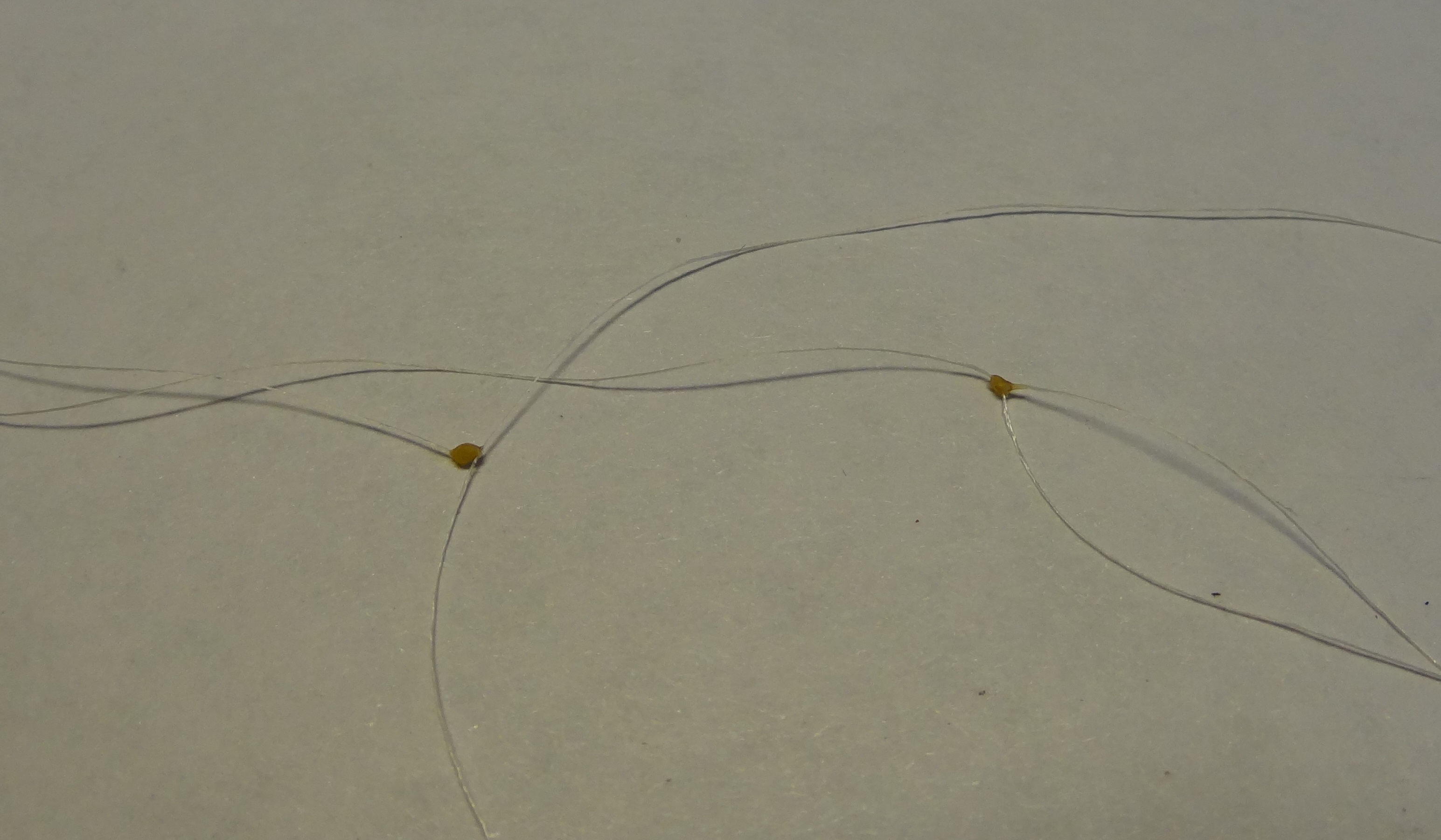
After some experimentation, I came to the following method of making blocks, which is convenient for me. First, I glue a blank from two pear strips with a cross-section of 0.8 x 0.5 mm. This results in a glued "beam" with a cross-section of 1 x 0.8 mm, which I slightly sand down on the sides to a thickness of about 0.6 mm. Then I drill a 0.3 mm hole. Along the glue line of the strips, I cut shallow grooves. Then I shape the end of this "beam" into a block using a scalpel.
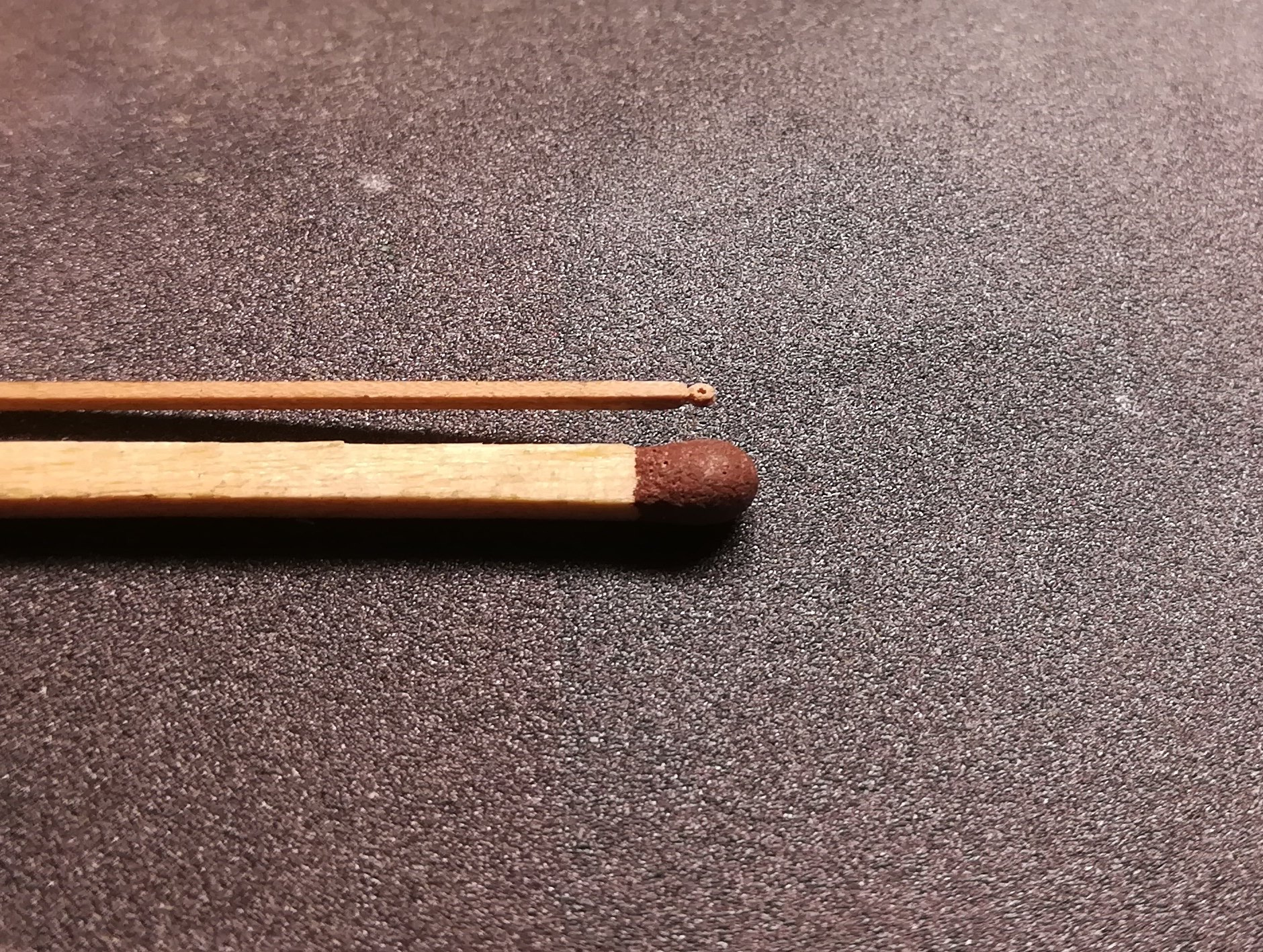
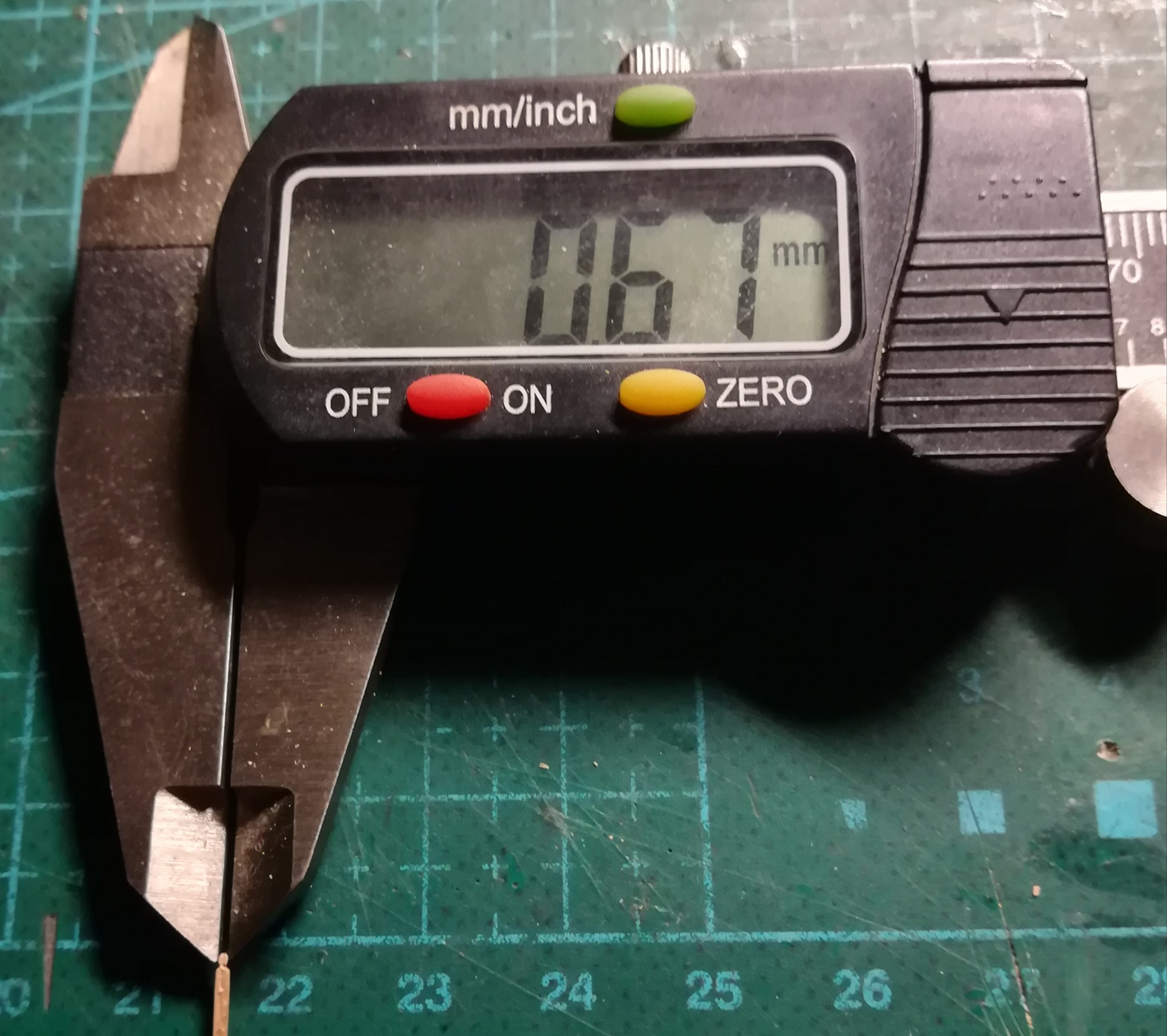
After that, without separating the block from the blank, I slightly refine the shape of the block with fine sandpaper, finish the groove on the end part of the block, cut the block off the blank, and finish the groove on the remaining side of the block. To rig the block, I put it on a drill bit, clamp it in a vise, and rig it.
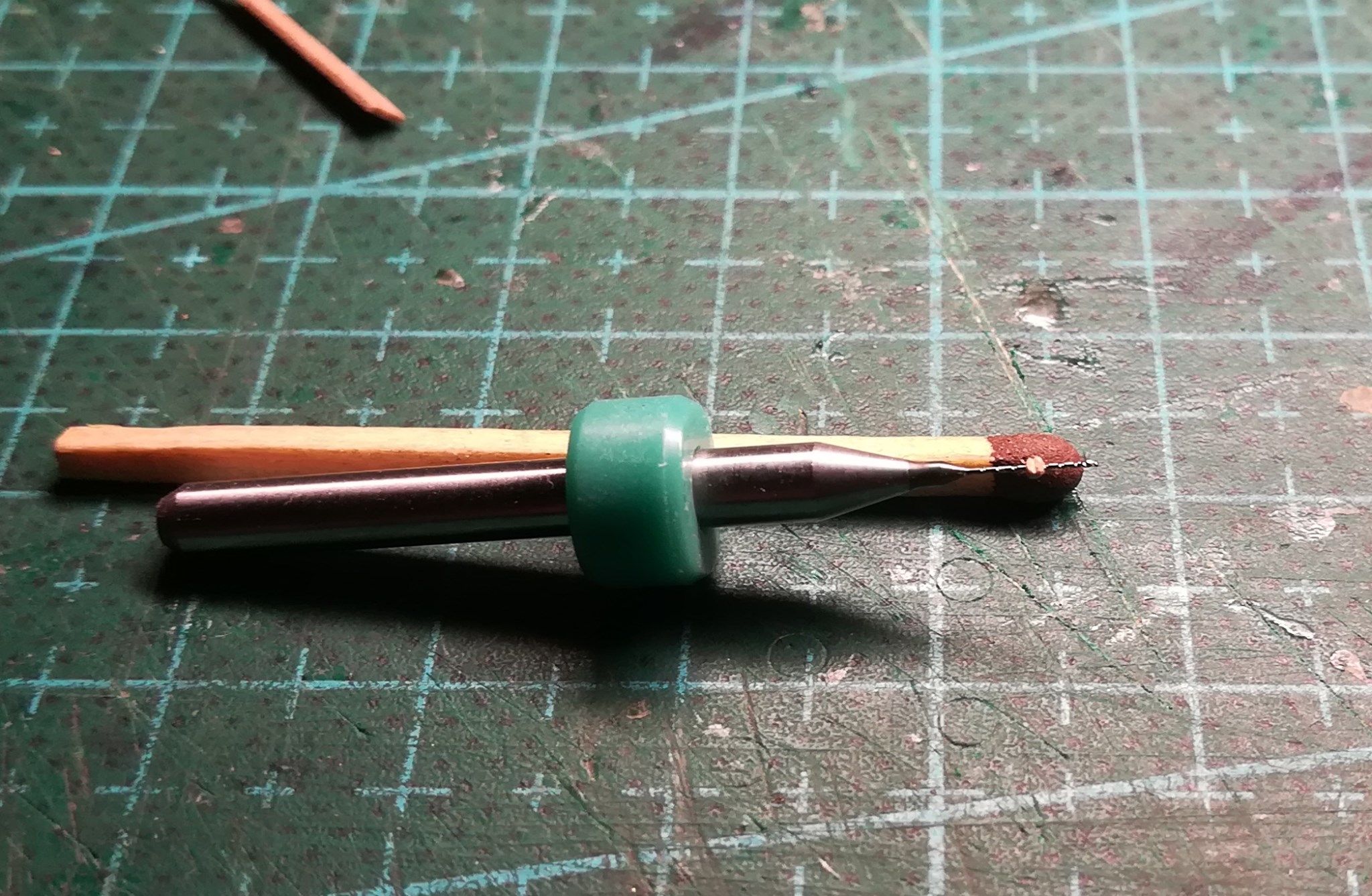
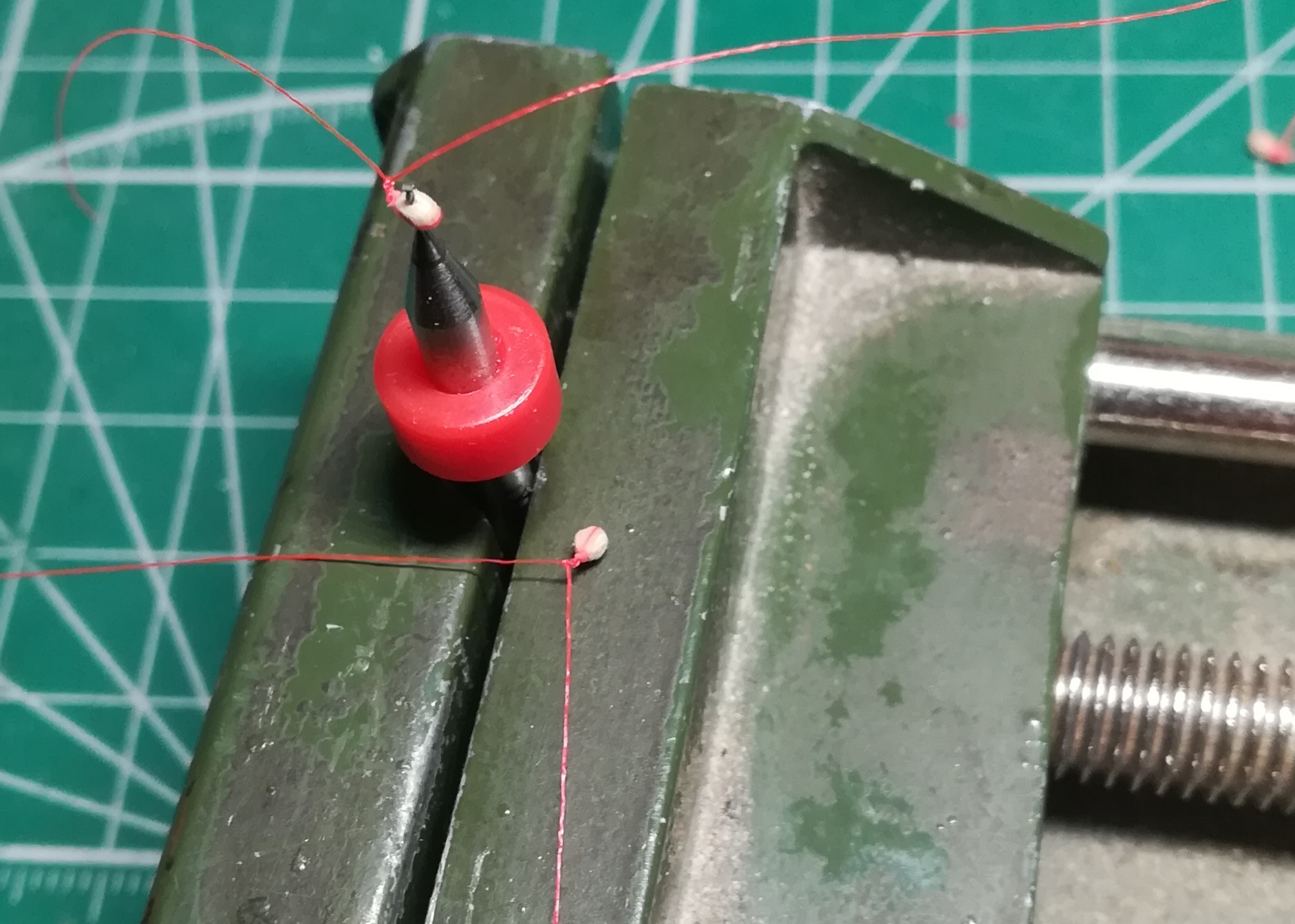
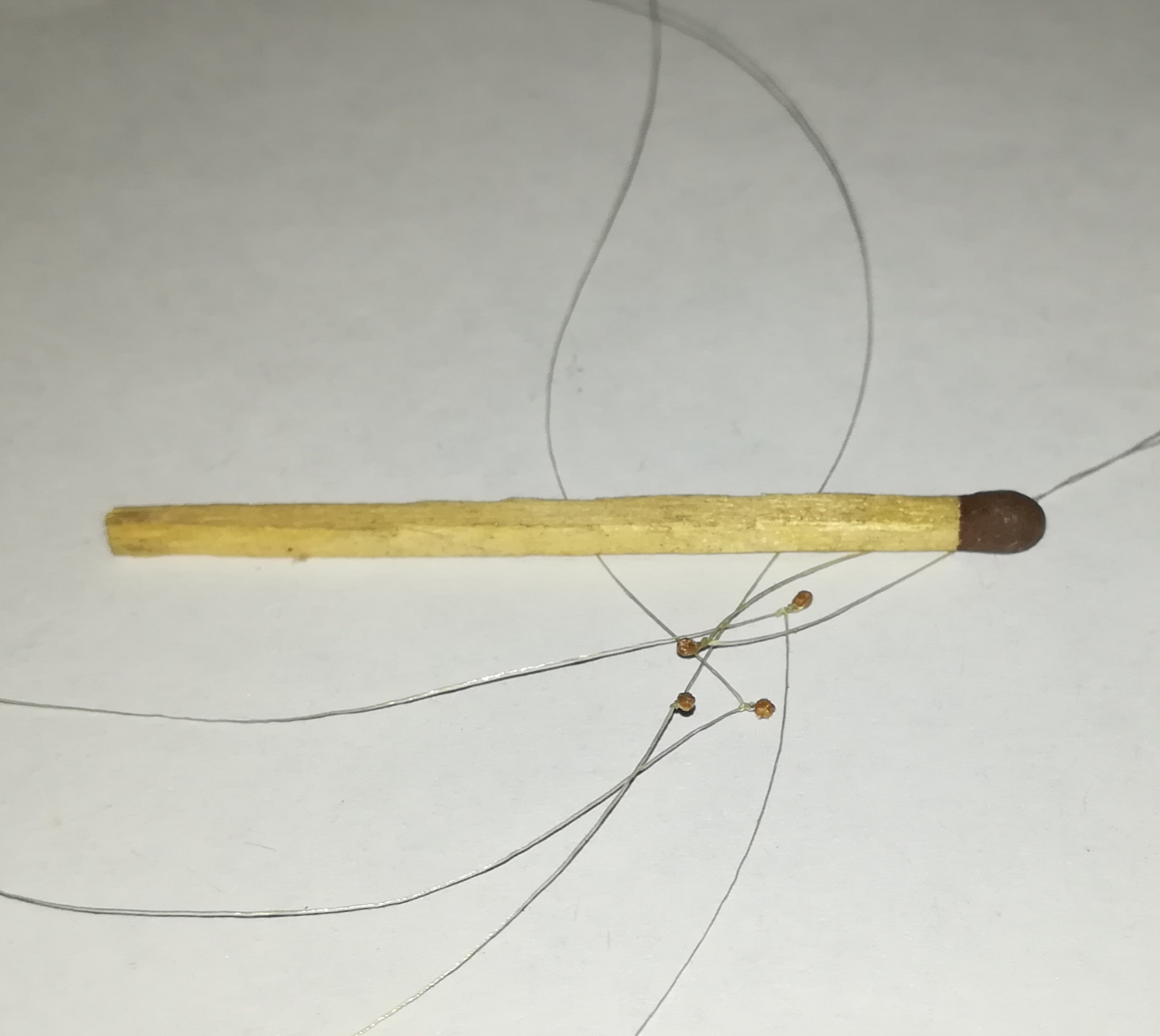
I usually make blocks between tasks, during breaks from the main work on the model. And by the time I start rigging the mast, all the blocks are already rigged and collected in a box. All that remains is to install them in their places. At the same time, they are quite functional and, if necessary, allow adjusting the tension of the rigging even during assembly inside the bottle. This was especially useful when assembling the "Jolie Brise" model in the bottle, when for the first time I had to pass a line through a block that was already hanging on the mast. Thanks to the fact that the block had a real hole, I was able to do this.
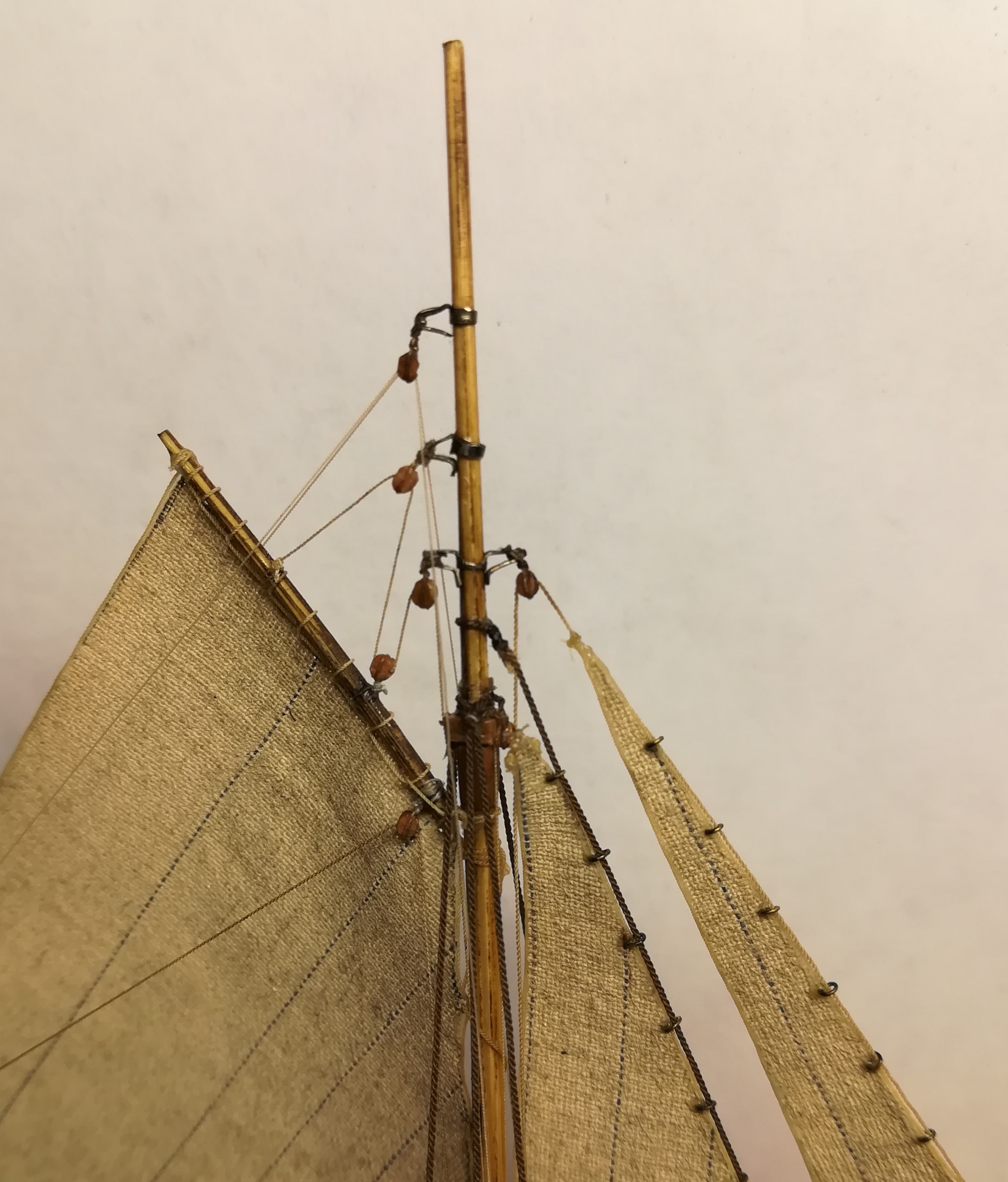
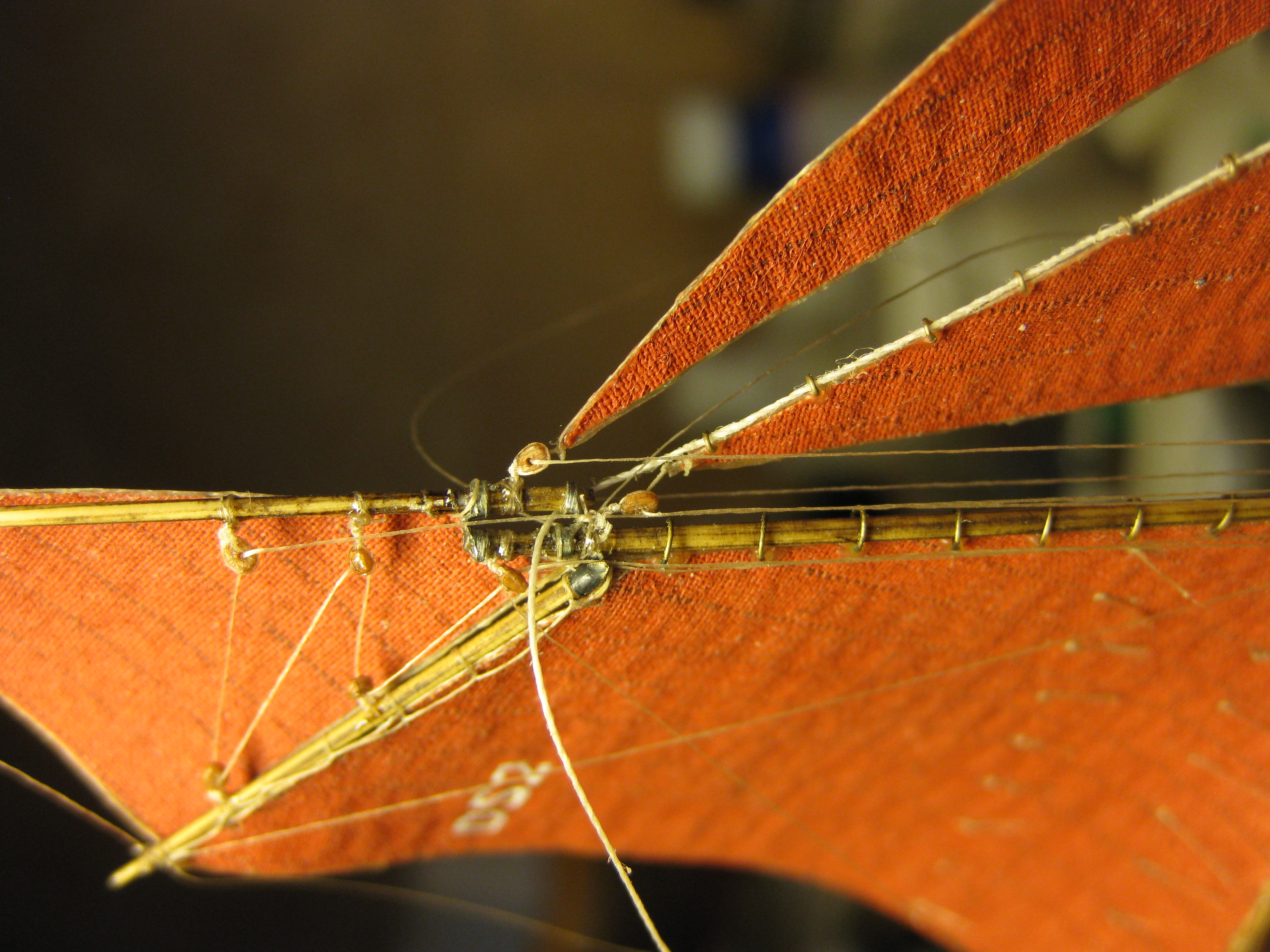

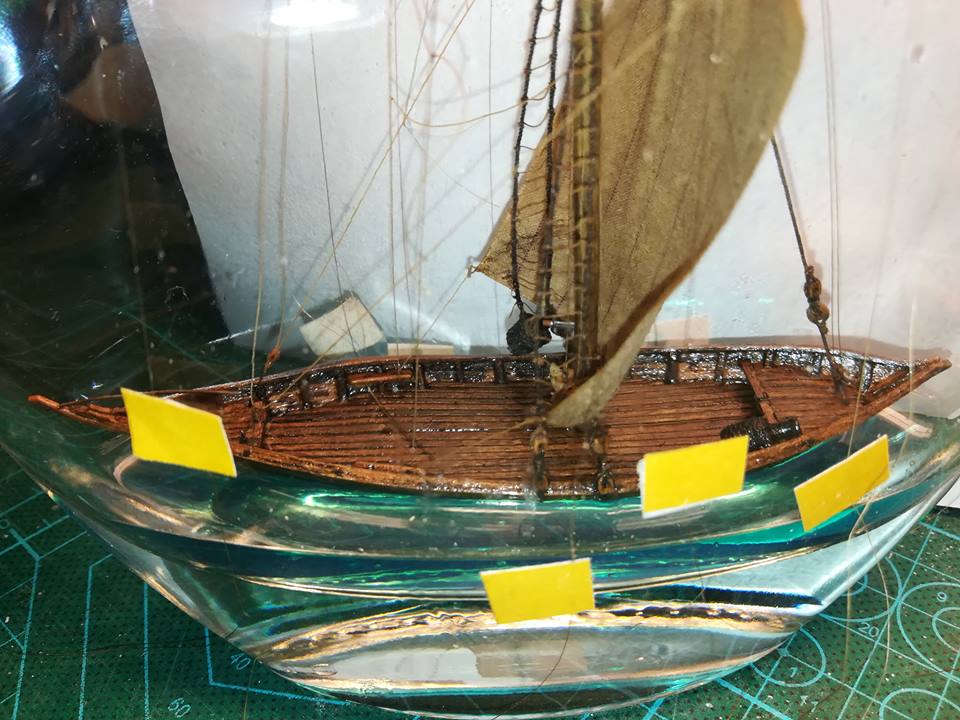
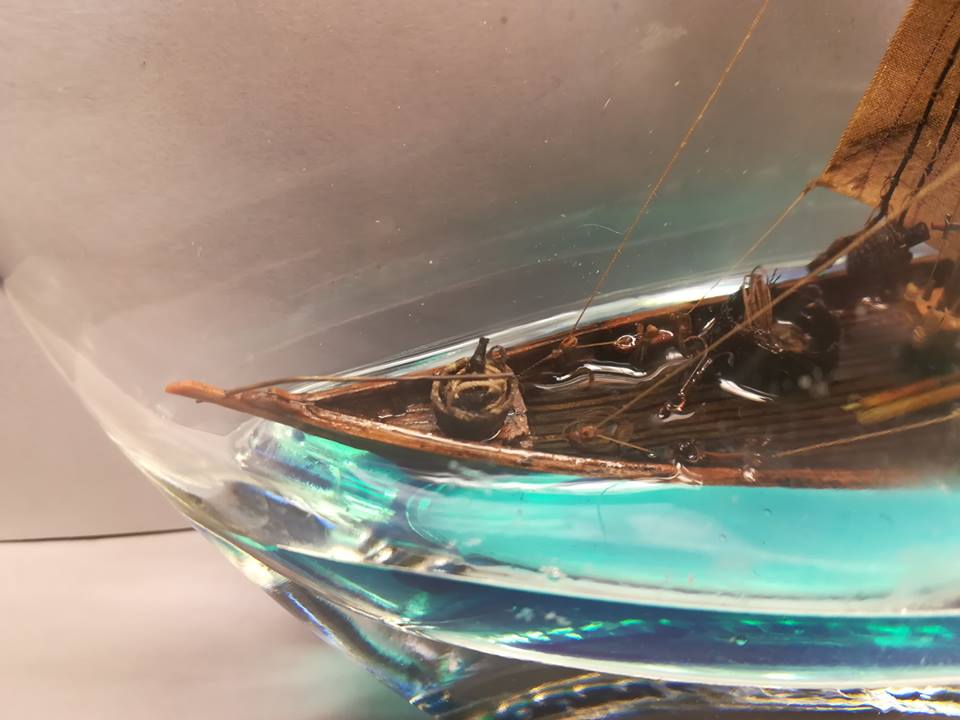
The last two photos show the rigging lines passed through blocks attached to the inner side of the bulwarks: first they are slack, and then tightened. This clearly demonstrates that the blocks do not just imitate the appearance, but are working elements of the rigging, allowing the tension of the lines to be adjusted already inside the bottle.
So the functionality of the blocks is not just a beautiful detail, but a necessity when assembling complex models inside a bottle.