
So… Three hundred years ago, in 1726, the first edition of Jonathan Swift's Gulliver's Travels was published in London. That very event ultimately led to the bottle project "Gulliver Seizing the Fleet of Blefuscu."
About 10 years ago, I accidentally came across a two-litre bottle of rather unusual shape.
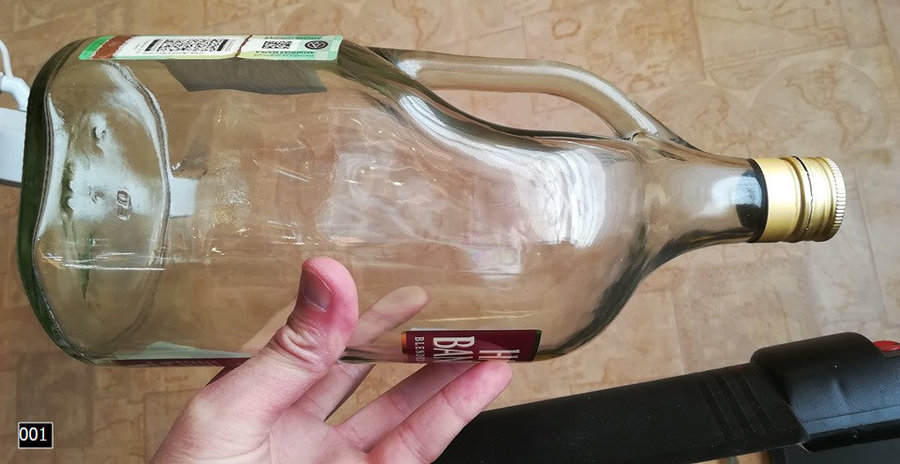
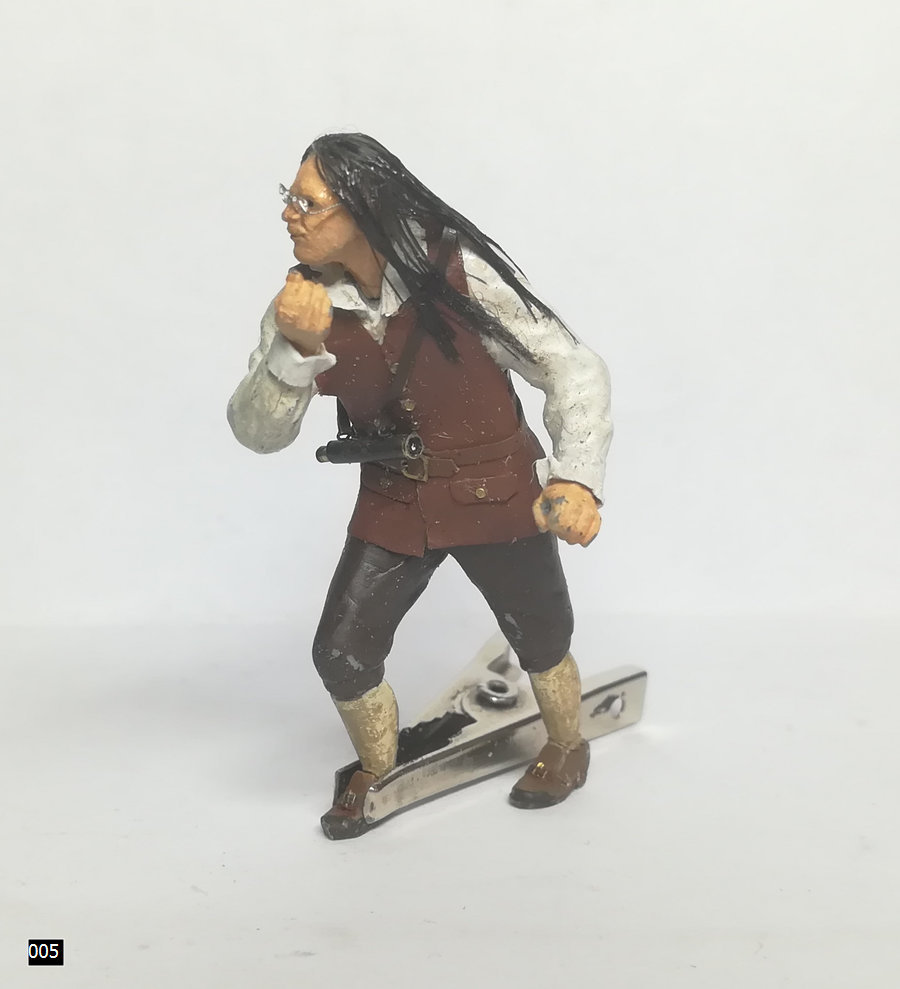
I often thought about what could be placed inside it, but nothing interesting came to mind until October–November 2019, when it caught my eye again and suddenly I mentally saw the image of a possible project — a city, a harbour, ships, and a giant towing those ships. I found a 1/35 tank crew figure that more or less matched the size — and the work began.
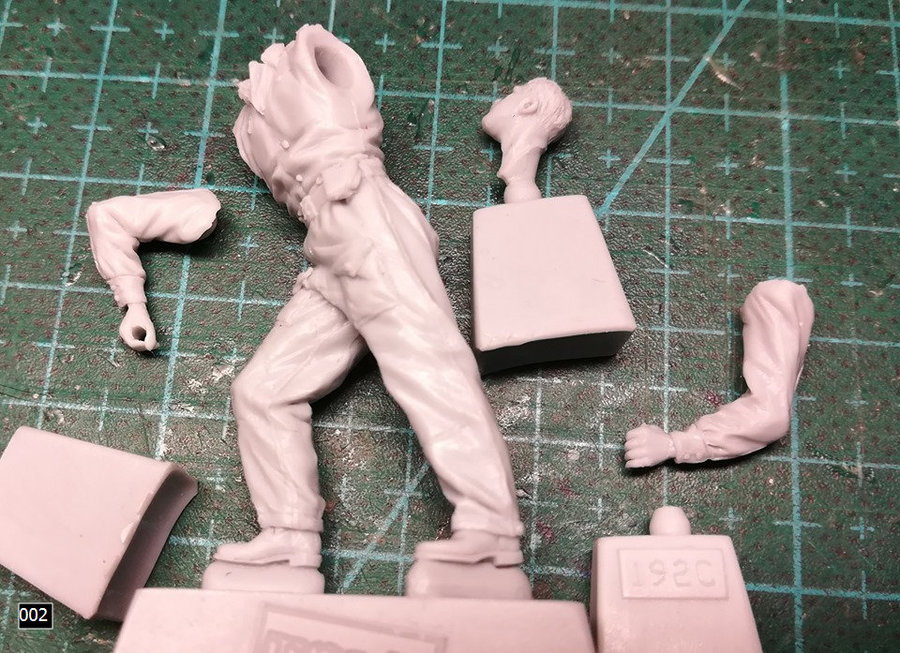
I started with Gulliver and built the fleet in parallel.
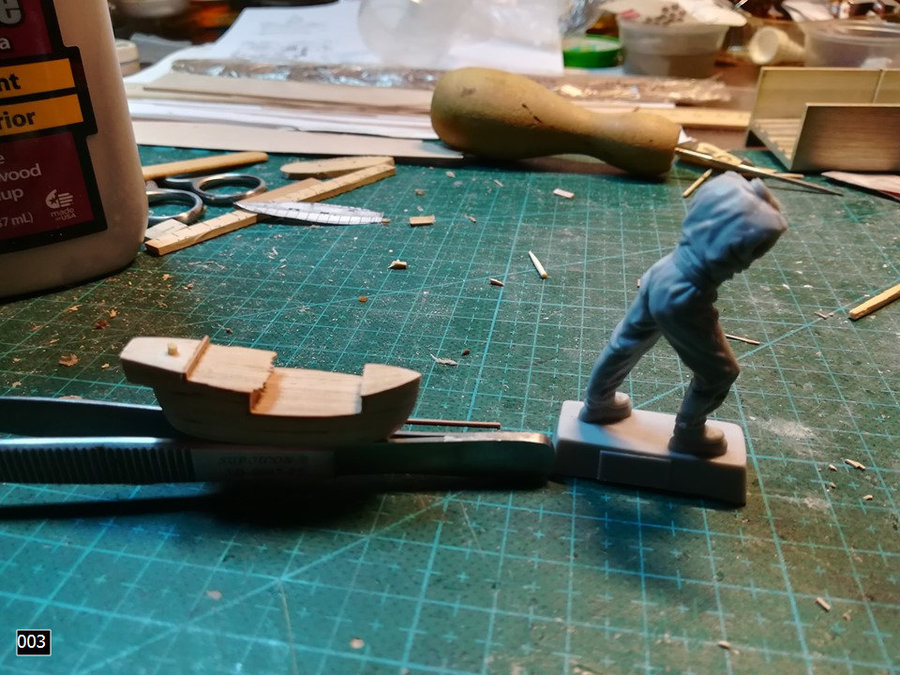
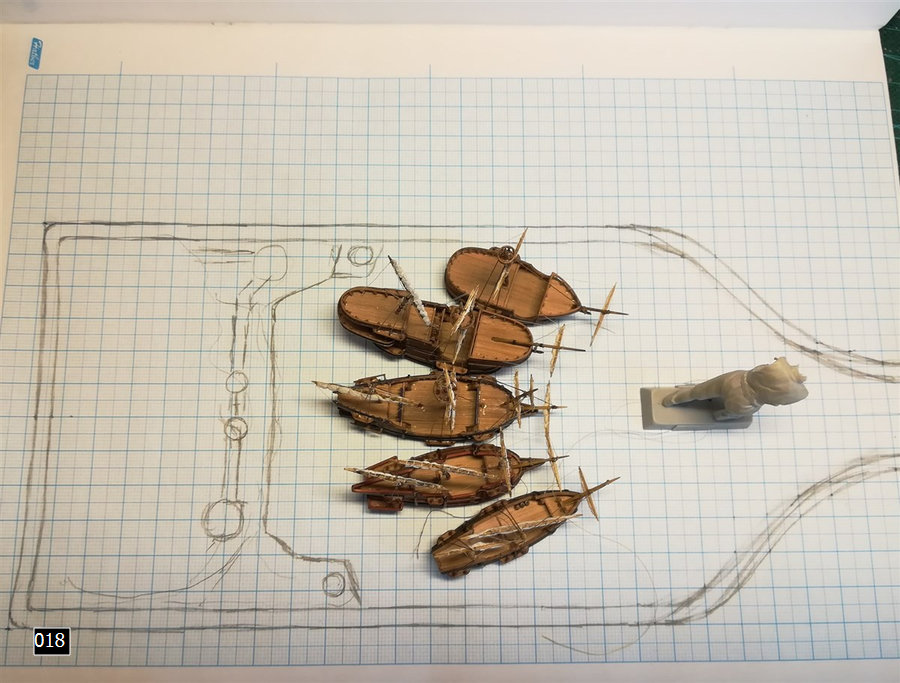
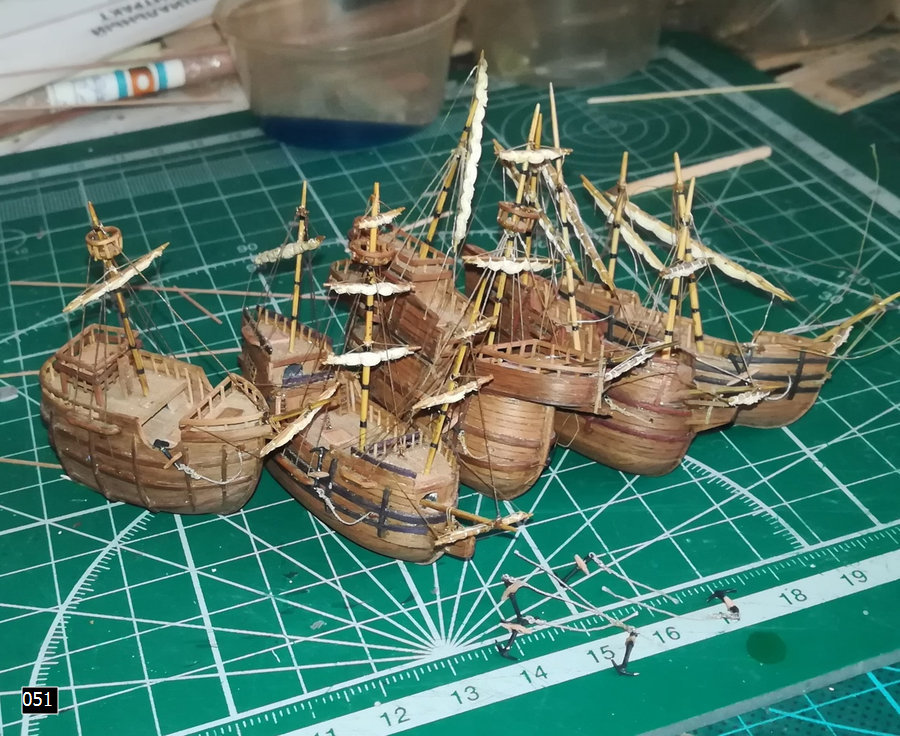
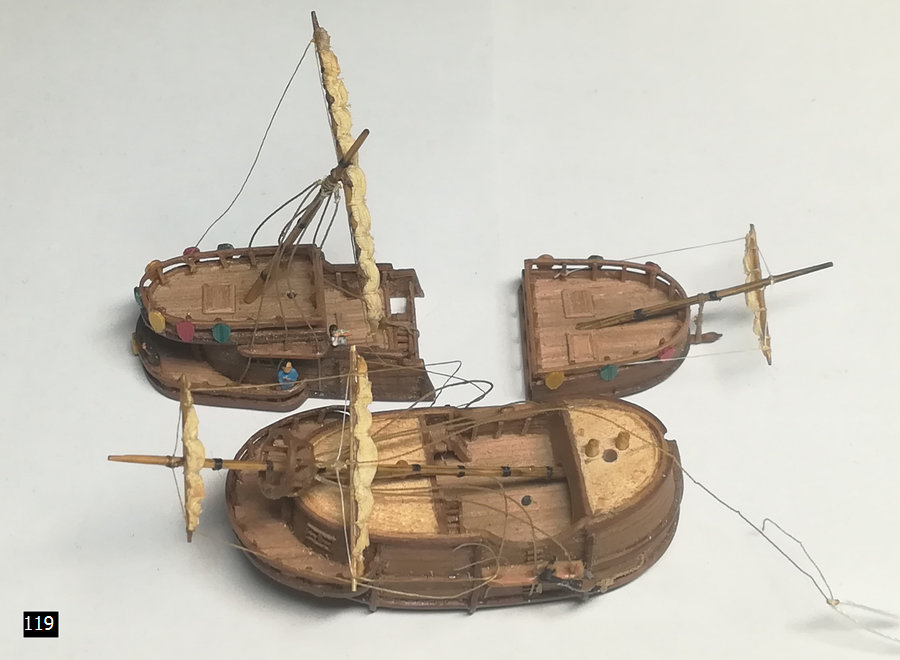
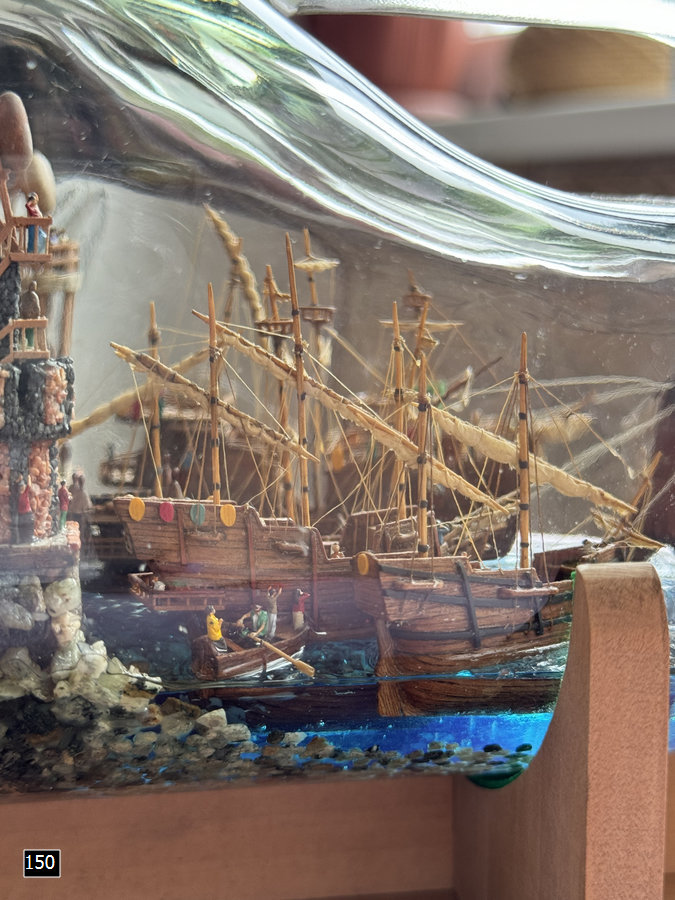
There wouldn't be enough space in the bottle for 50 ships (as in Swift's book), so I built five. Each ship is a composite construction assembled inside the bottle. I used various prototypes: from the carrack Santa María to galleons, and sometimes invented my own designs. The technology is usual for me: a base of wooden blocks, deck, bulkheads, and hull planking with pear and hornbeam strips. The ship's boats are made from pear strips. I wasn't building models of specific ships — I simply took a prototype as a starting point for the hull. What mattered was not exact fidelity, but silhouette and scale: the ship had to read as a ship and fit the space allotted to it.
Eventually, over several months, I built five ship hulls [photos 06-012] and then rigged them with masts and rigging.
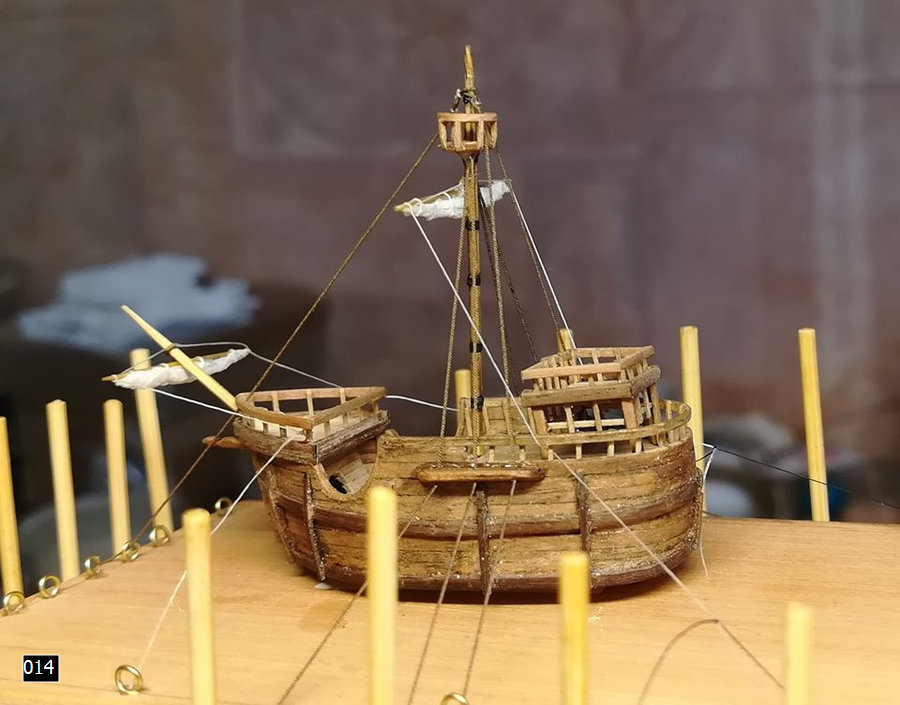
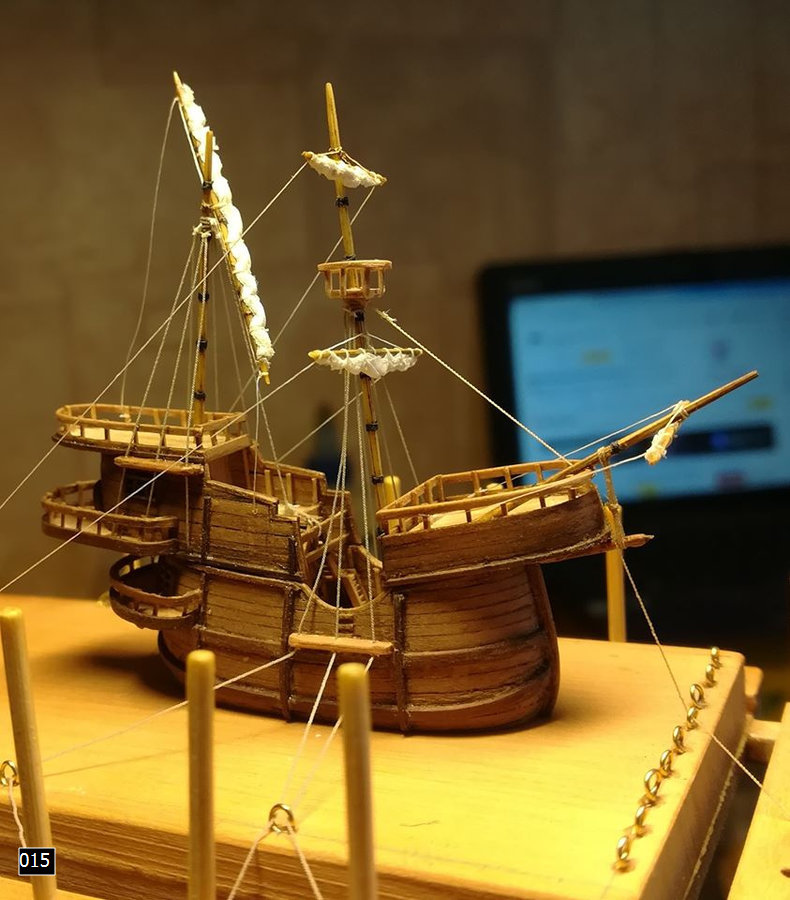
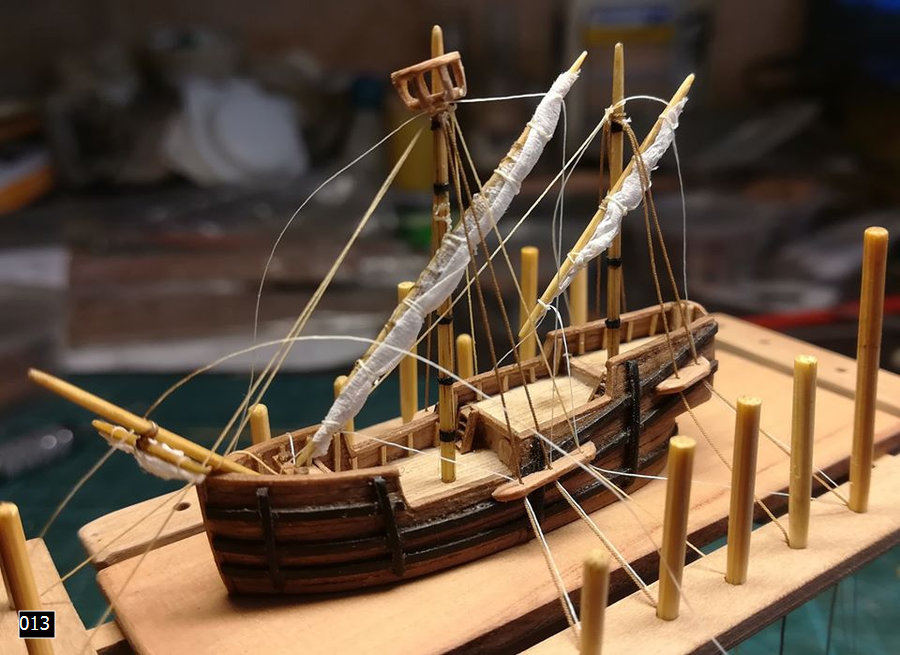
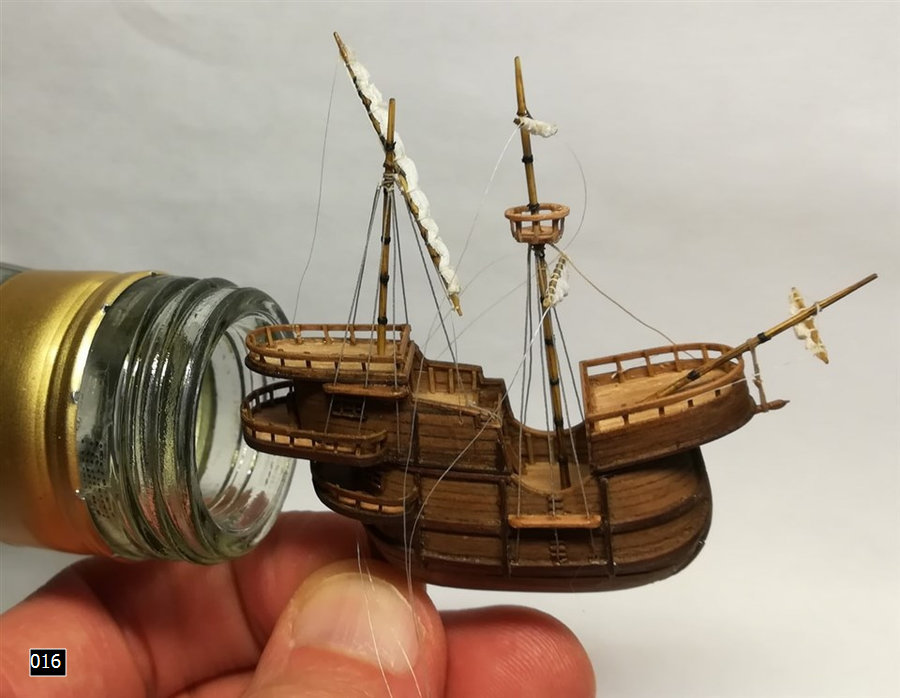
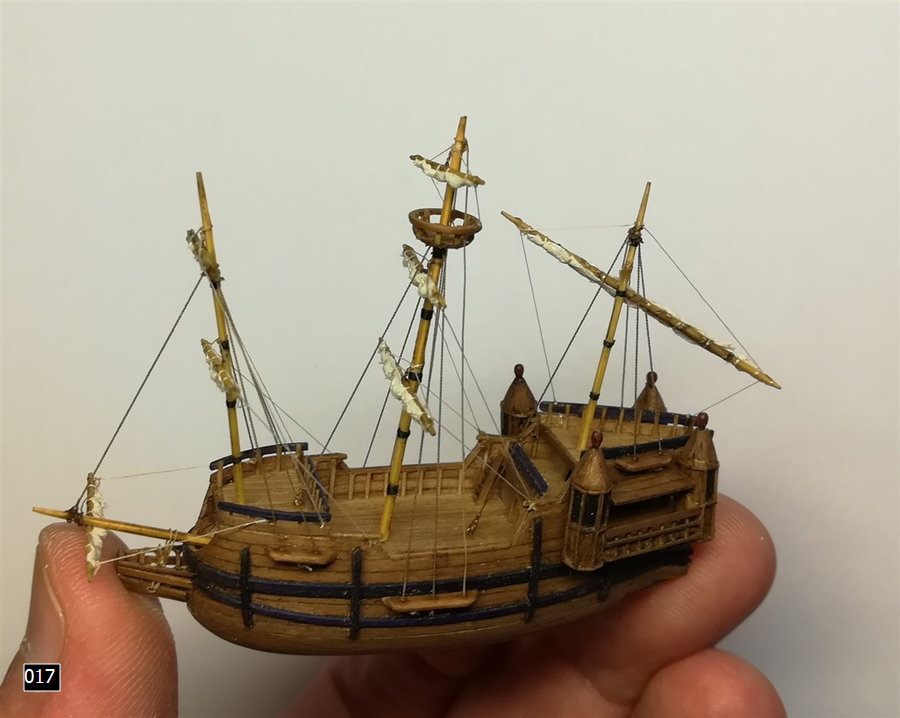
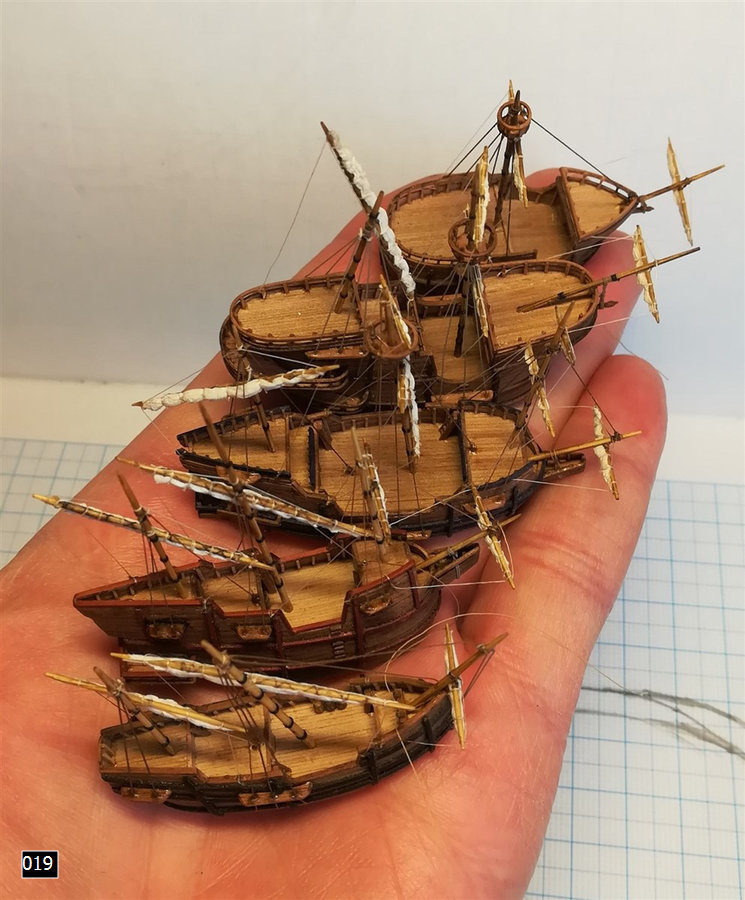
I made ropes of various diameters — for standing and running rigging — myself using a motorised rope-making machine. I have techniques worked out for making such lines from 0.05 to 3–4 mm in diameter. So all the shrouds, stays, and rigging on the ships are of my own twisting.
For the sails I used paper napkins, delaminated to get a really thin sheet. I glued the cut sail blank to the yard, then dampened it slightly with a brush and shaped the furled sail. After that I tied it with thin threads and hung it on the mast.
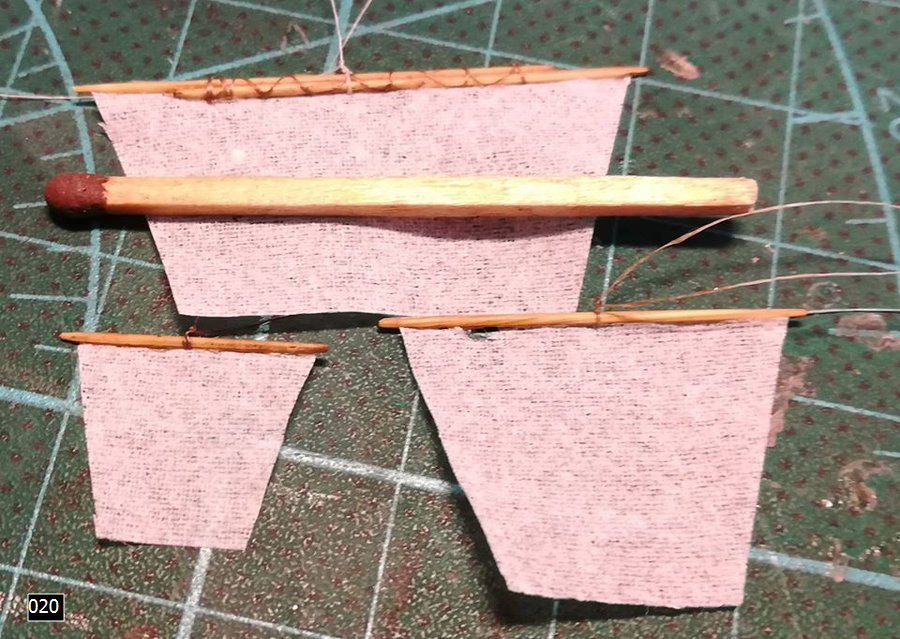
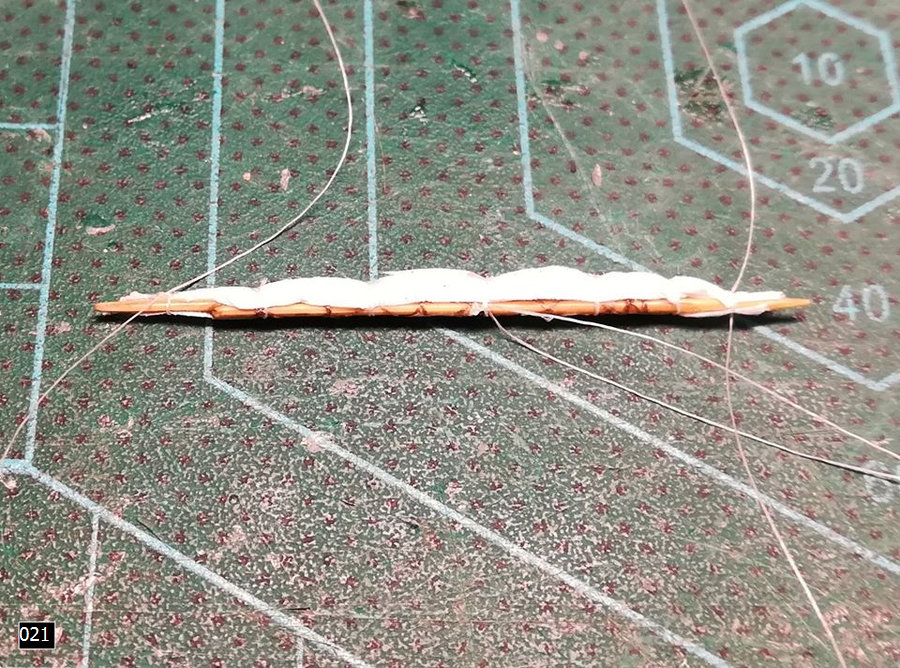
By this point I had a better understanding of how much of the bottle's interior space the different parts of the composition would take up. I had also more or less determined some very important things: for instance, the levels of the "sea" and the "land". On that basis, while working on the rigging, I could already determine fairly precisely how tall the masts should be.
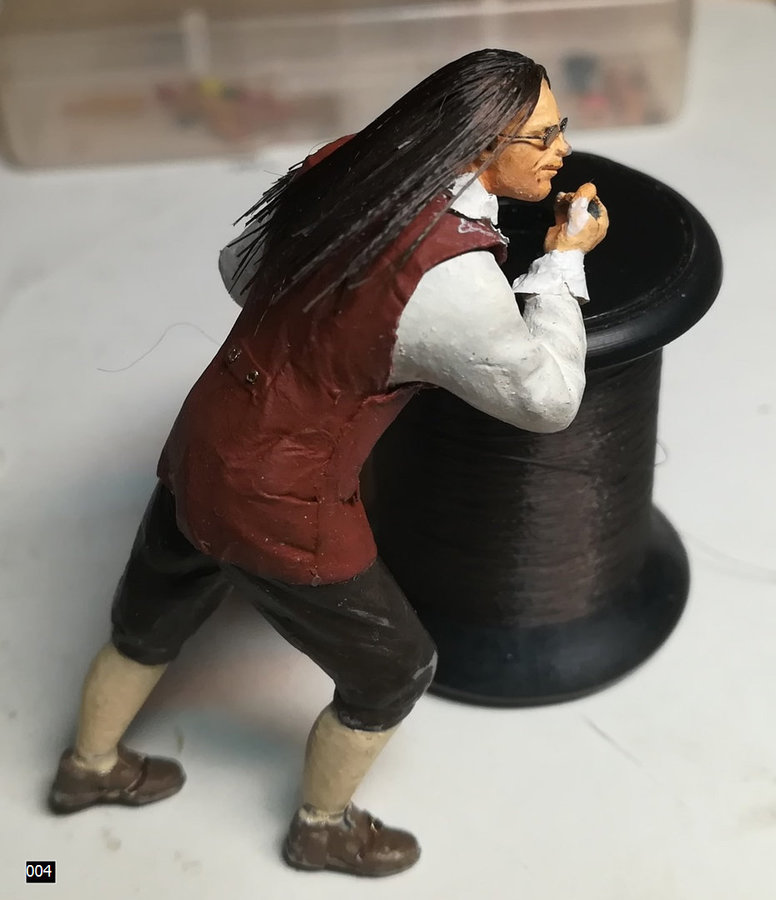
By that time, I found several 3D models of people online and ordered them printed. I decided the Lilliputians would be 7–9 mm tall. When I received these figures, I began gradually turning them into Lilliputians: adjusting the position of the arms where needed, building up clothing, painting.
I didn't know exactly how many Lilliputians I would need, so I just made them and put them in boxes. Some went into the project later, some stayed in the boxes — I don't remember now.
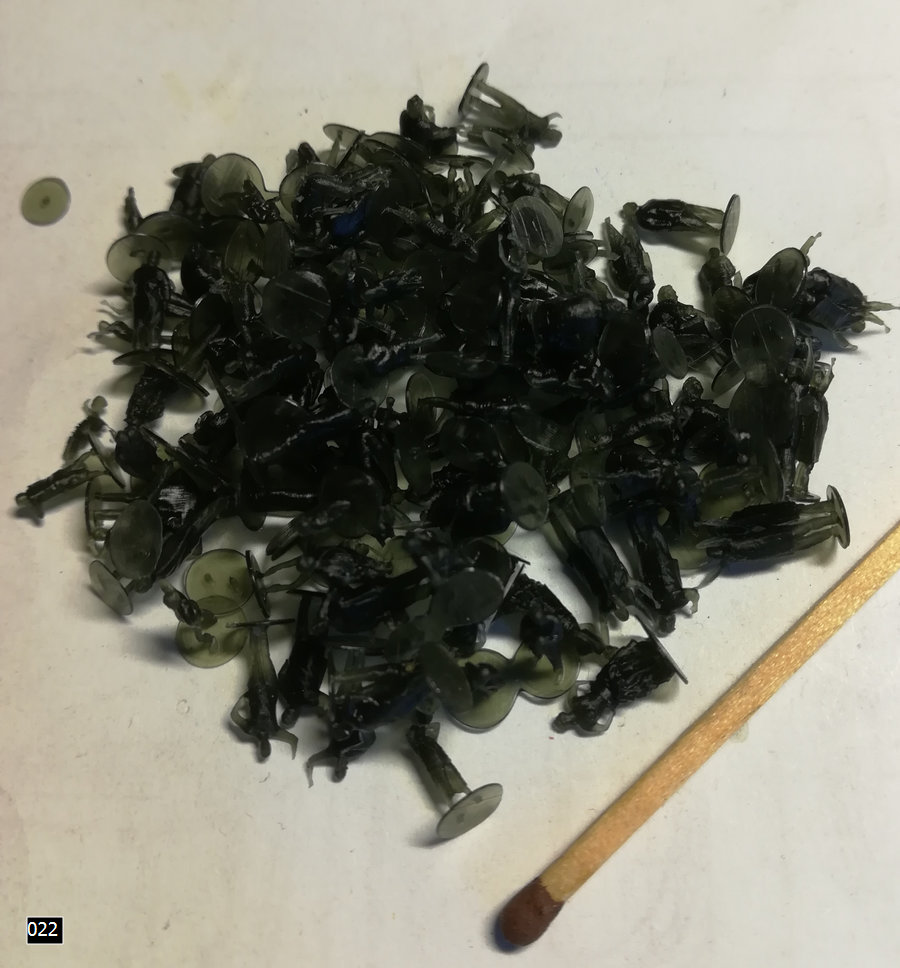
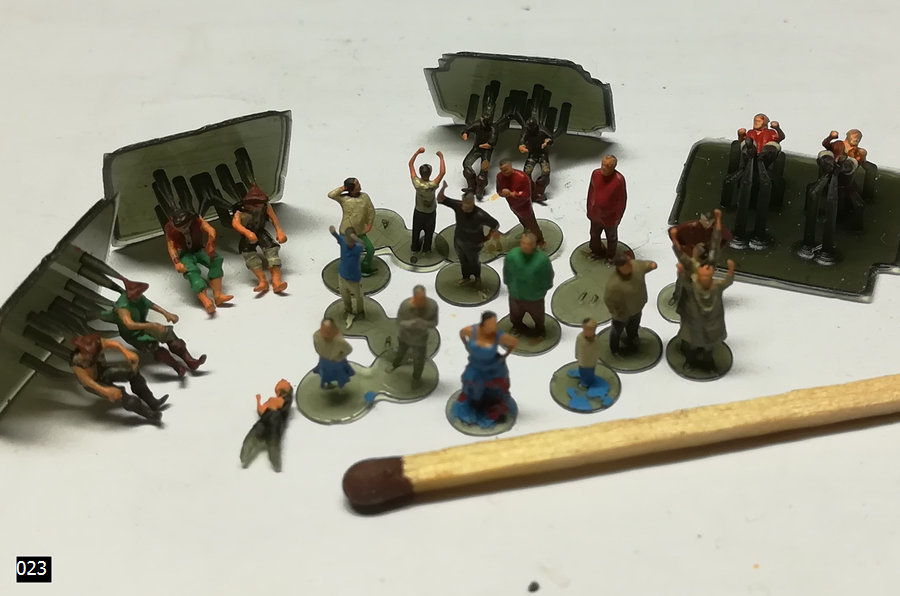
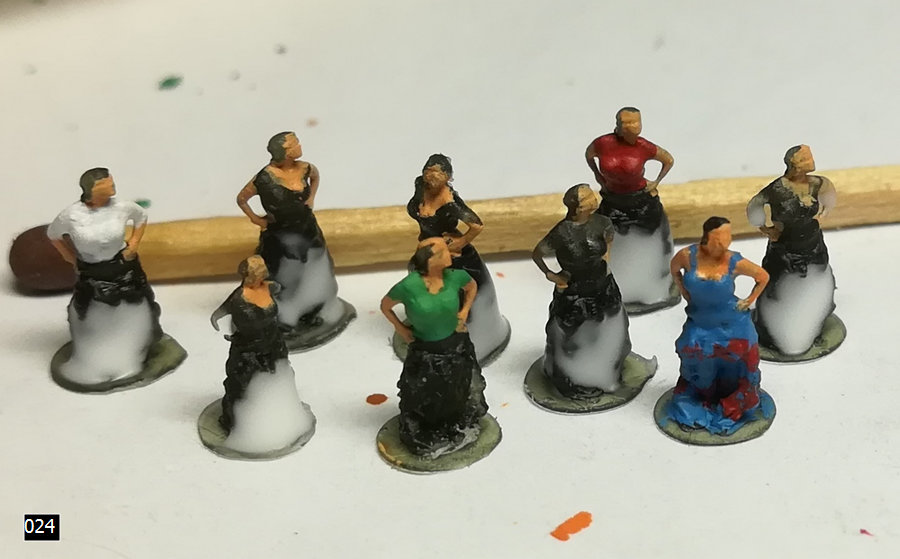
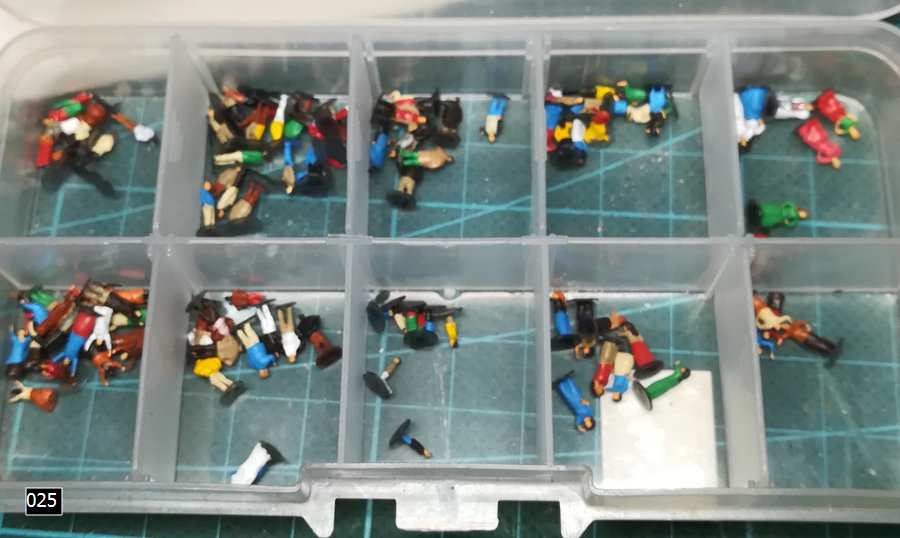
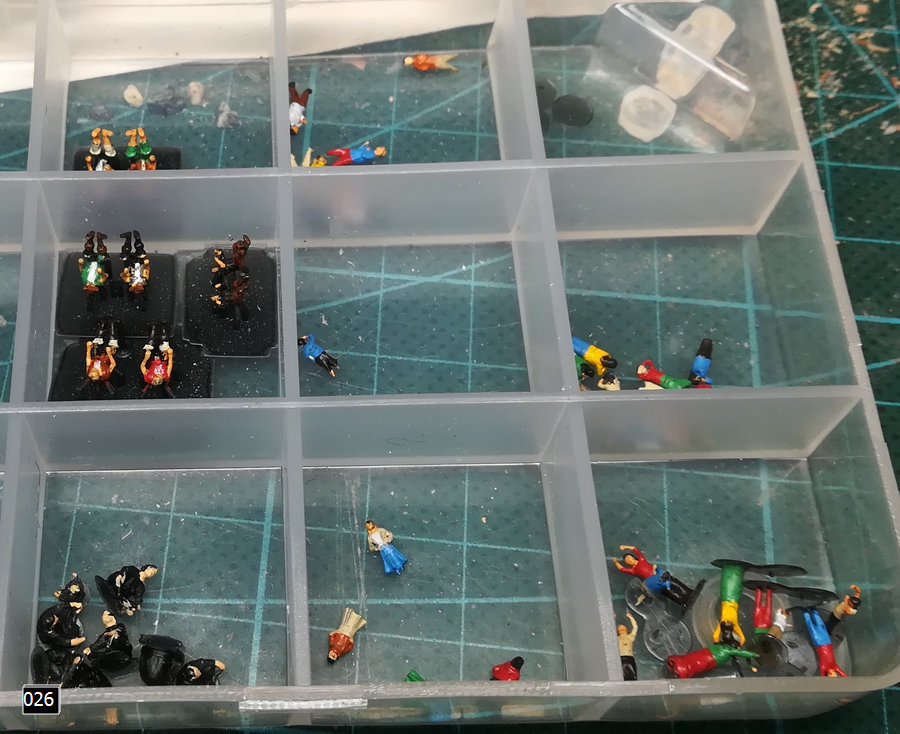
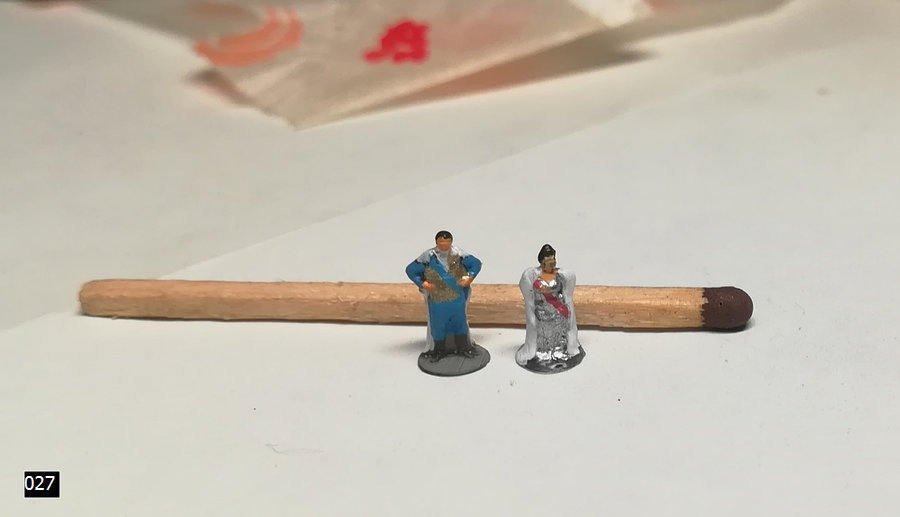
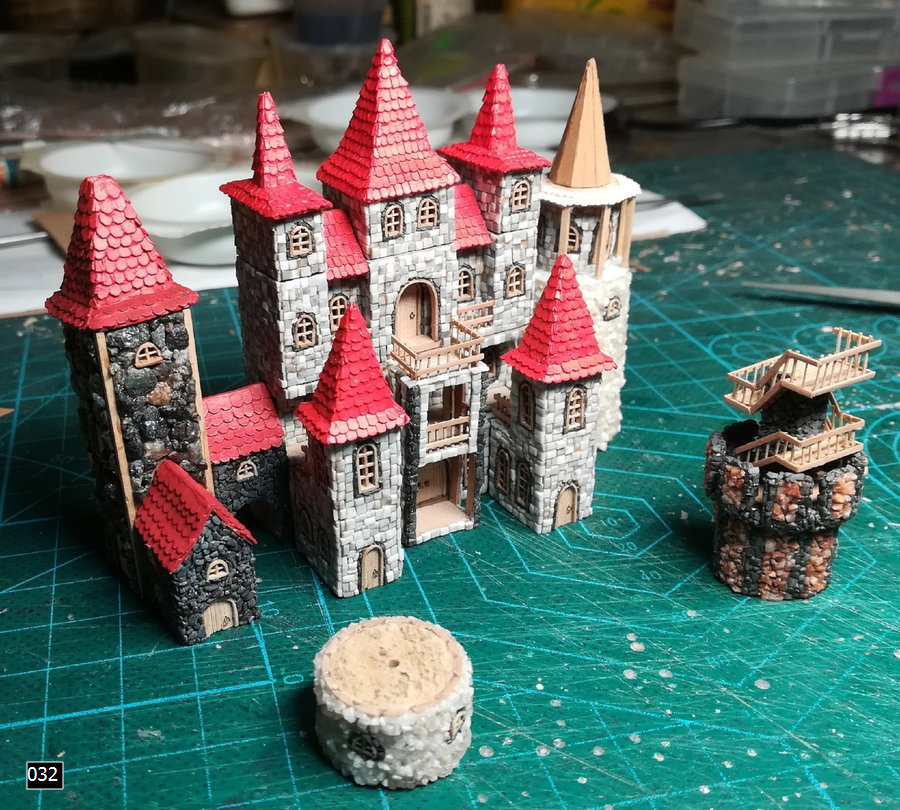
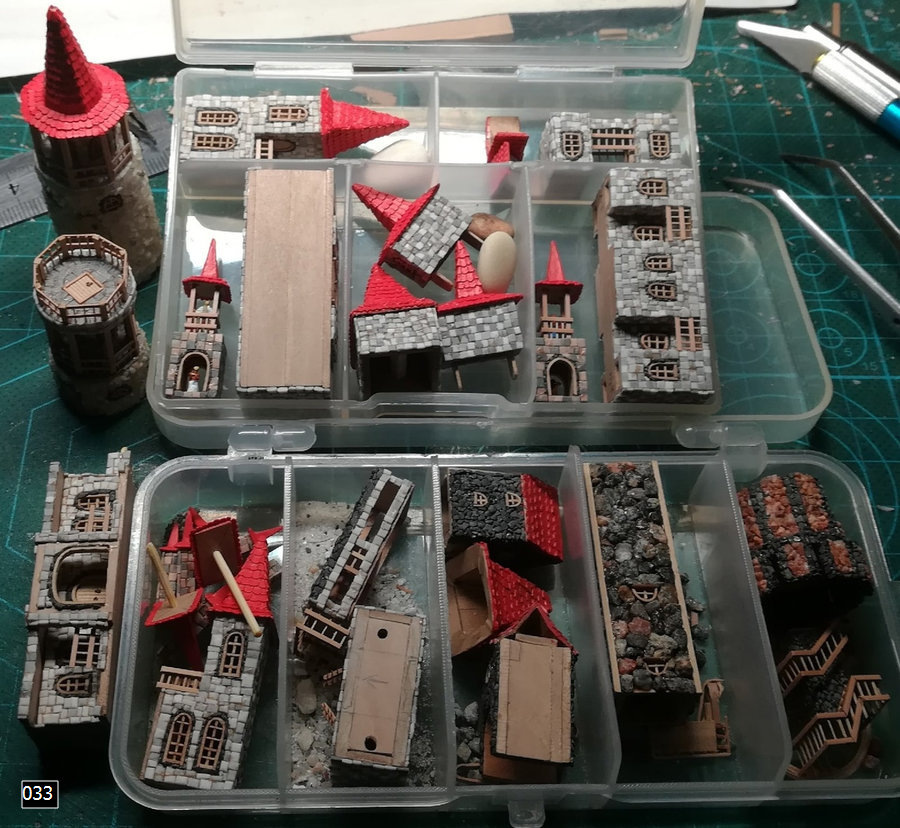
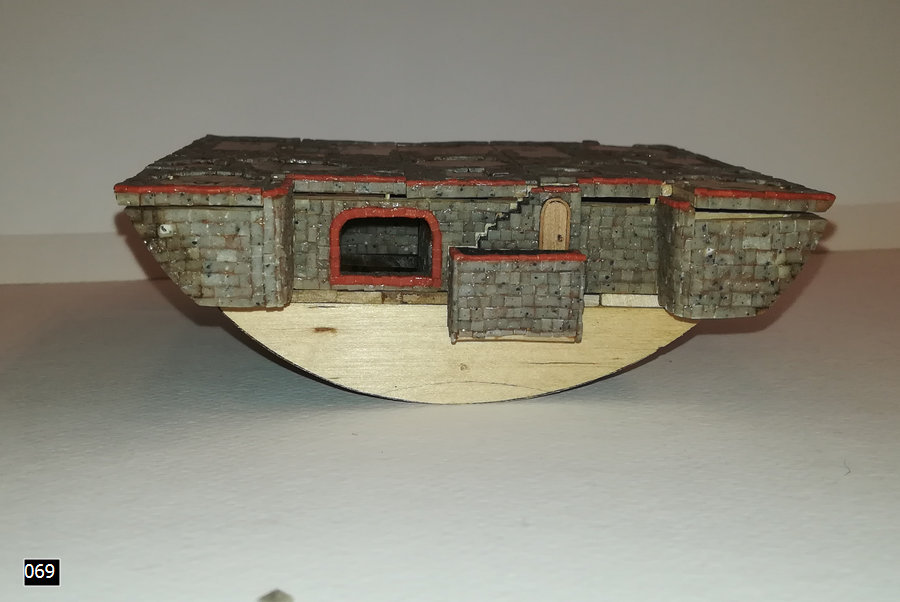
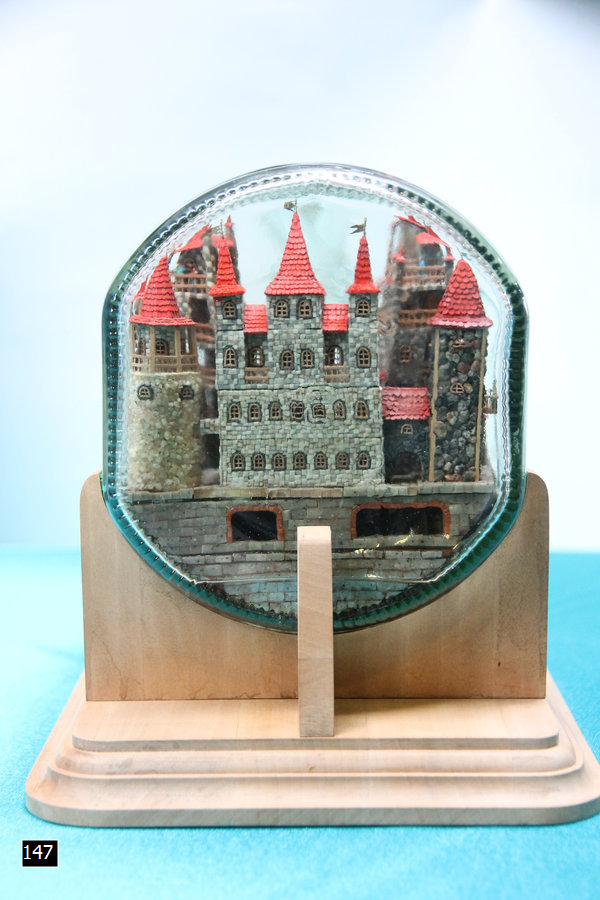
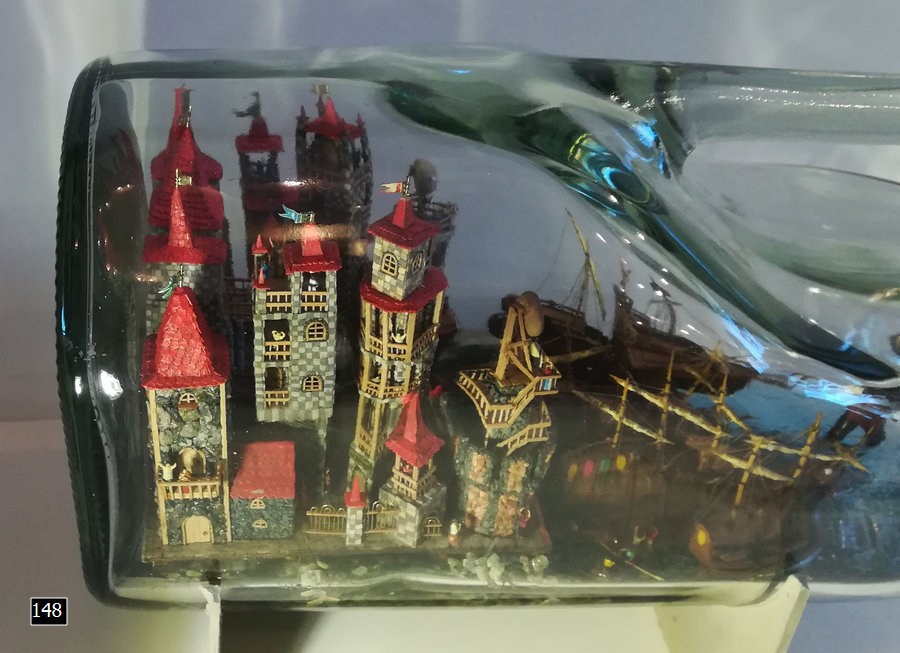
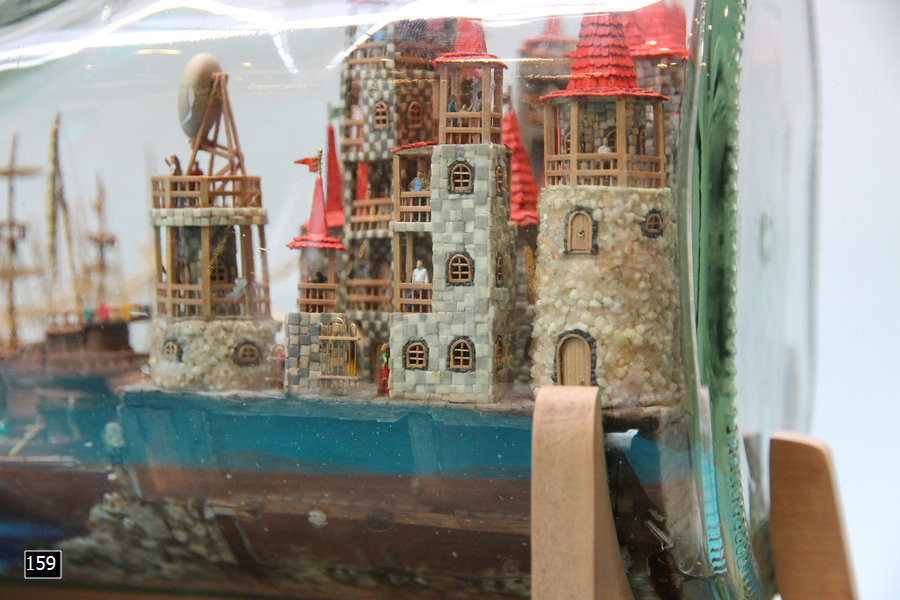
Then I began building the city. At the start of this stage, I didn't have a clear understanding of what it should ultimately look like, so I started with the first building and kept building them one after another until that understanding finally appeared.
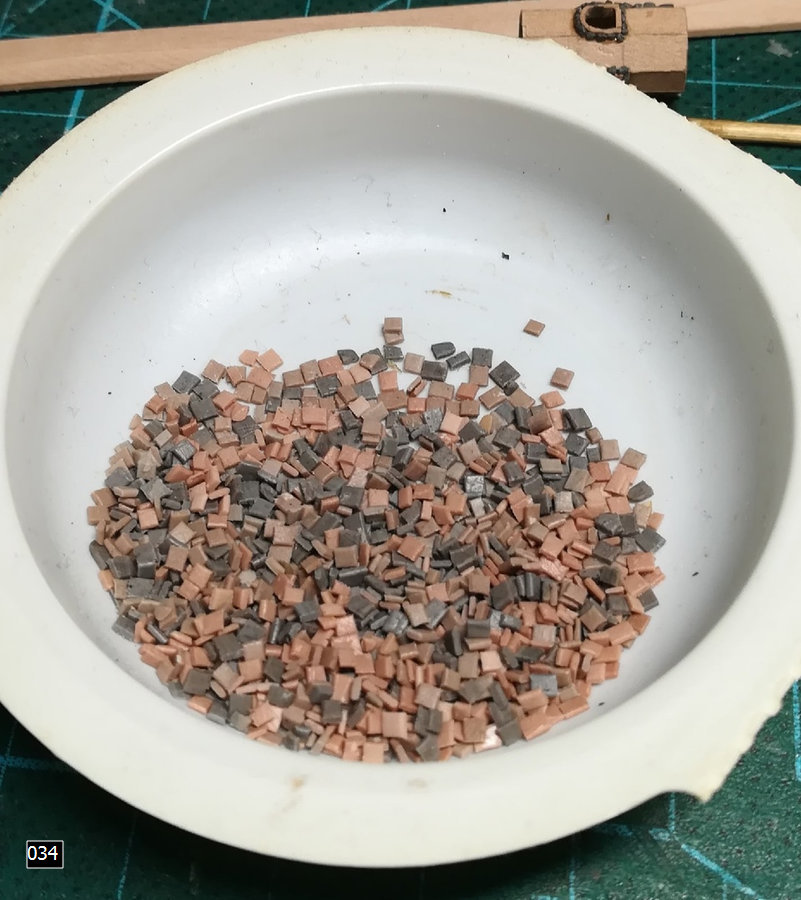
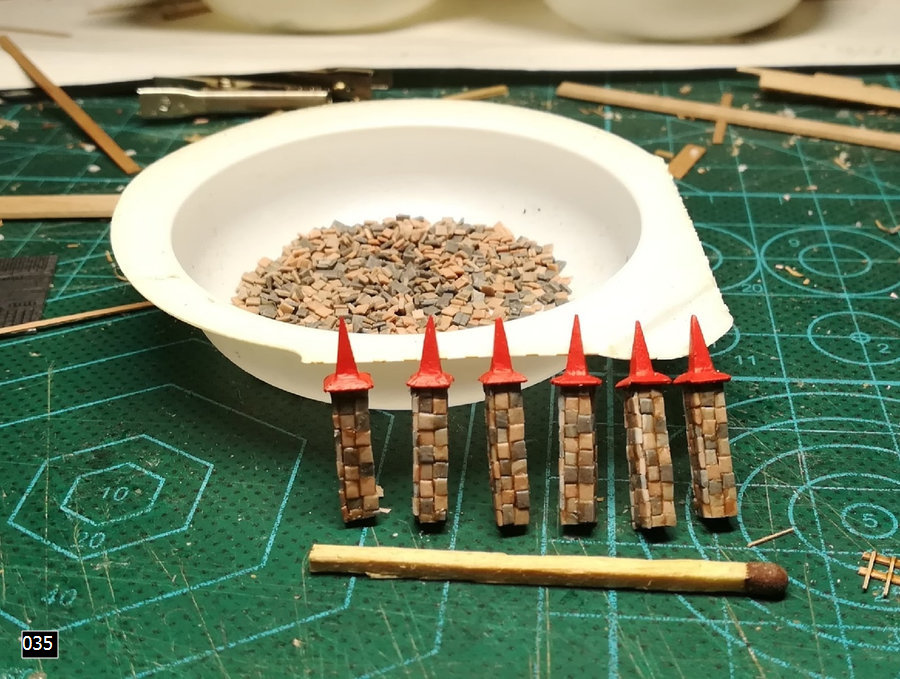
As I worked on the city, I gradually came up with new elements and details, and began using new materials.
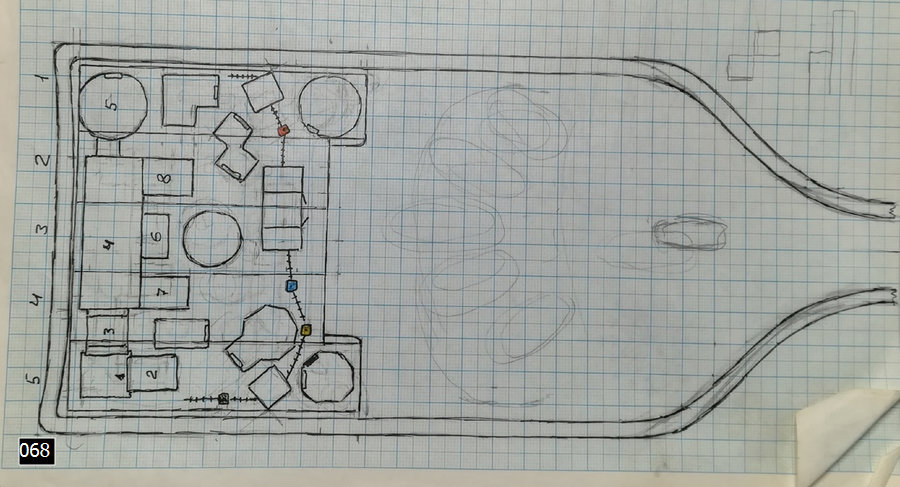
Eventually, all the parts were made and the exact layout of the city was drawn up.
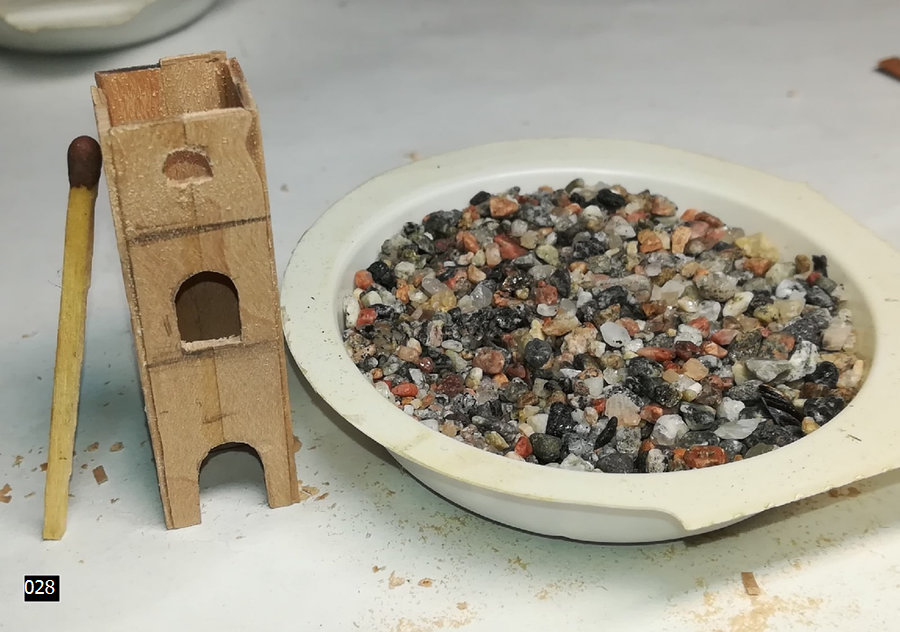
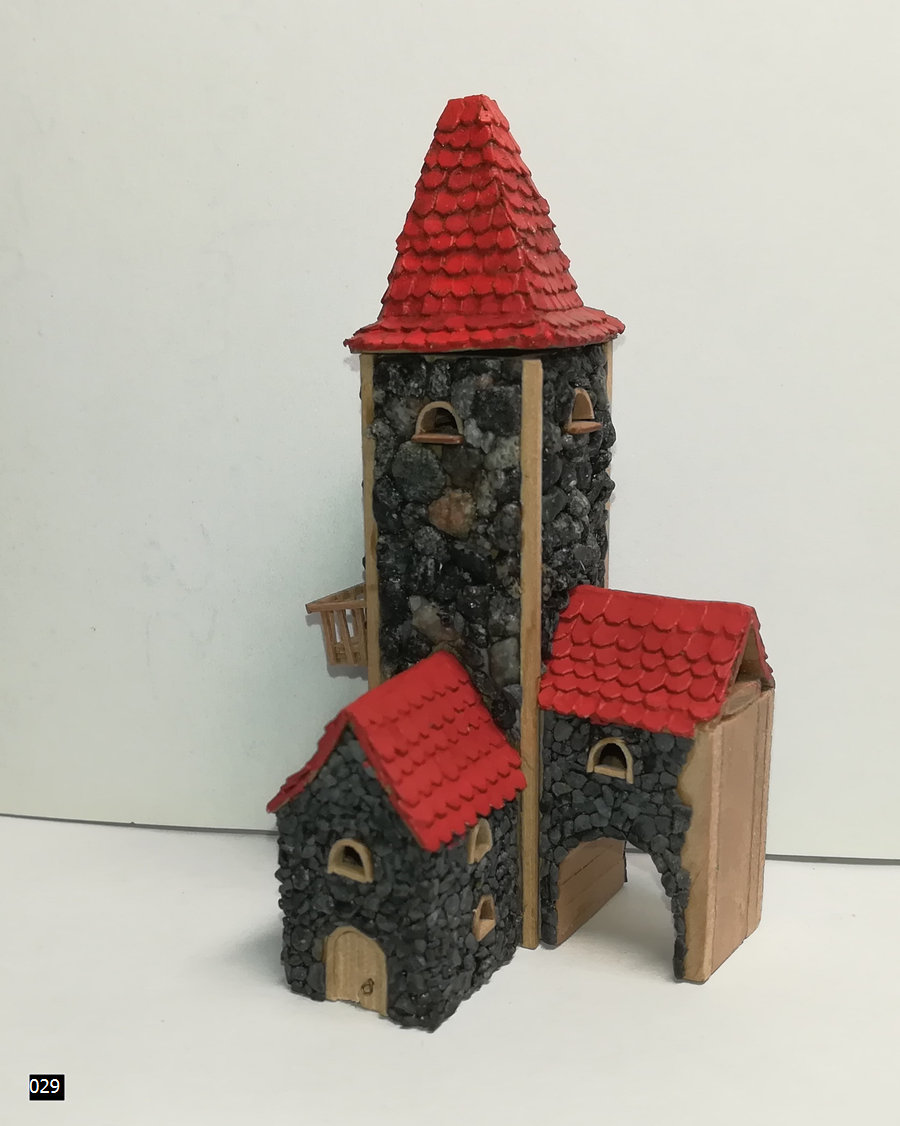
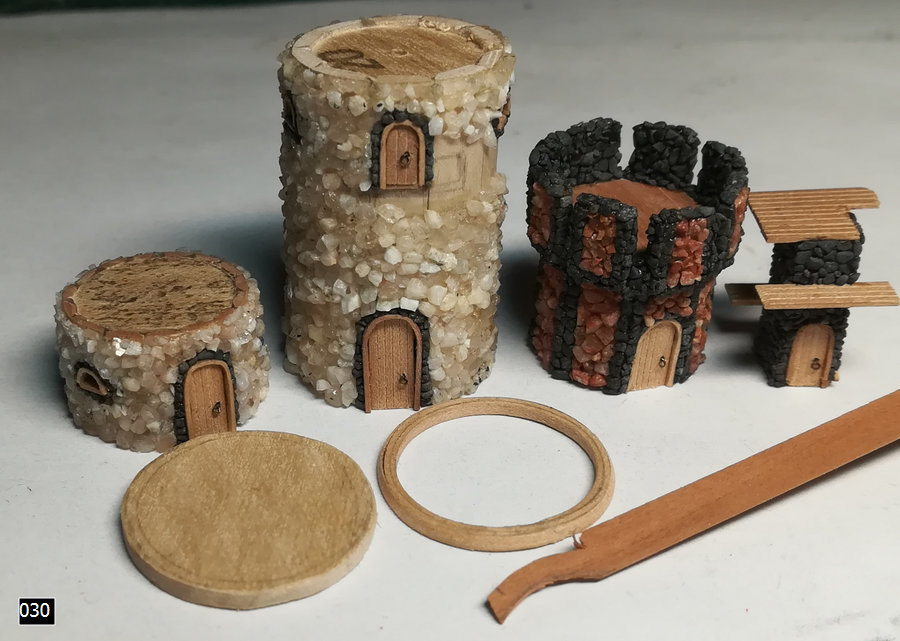
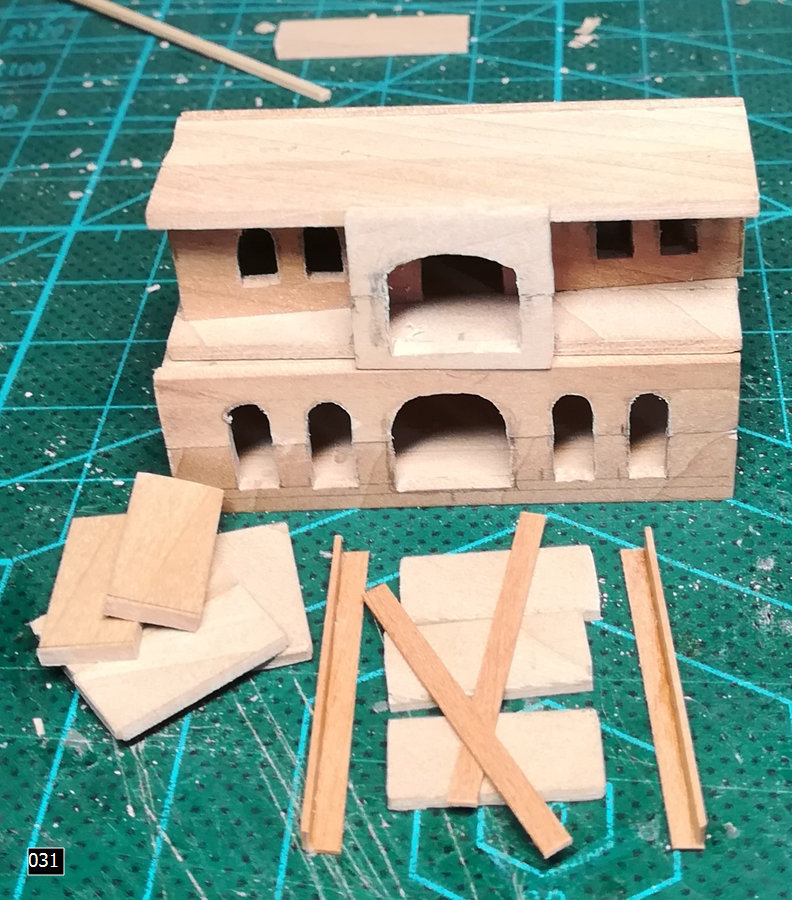
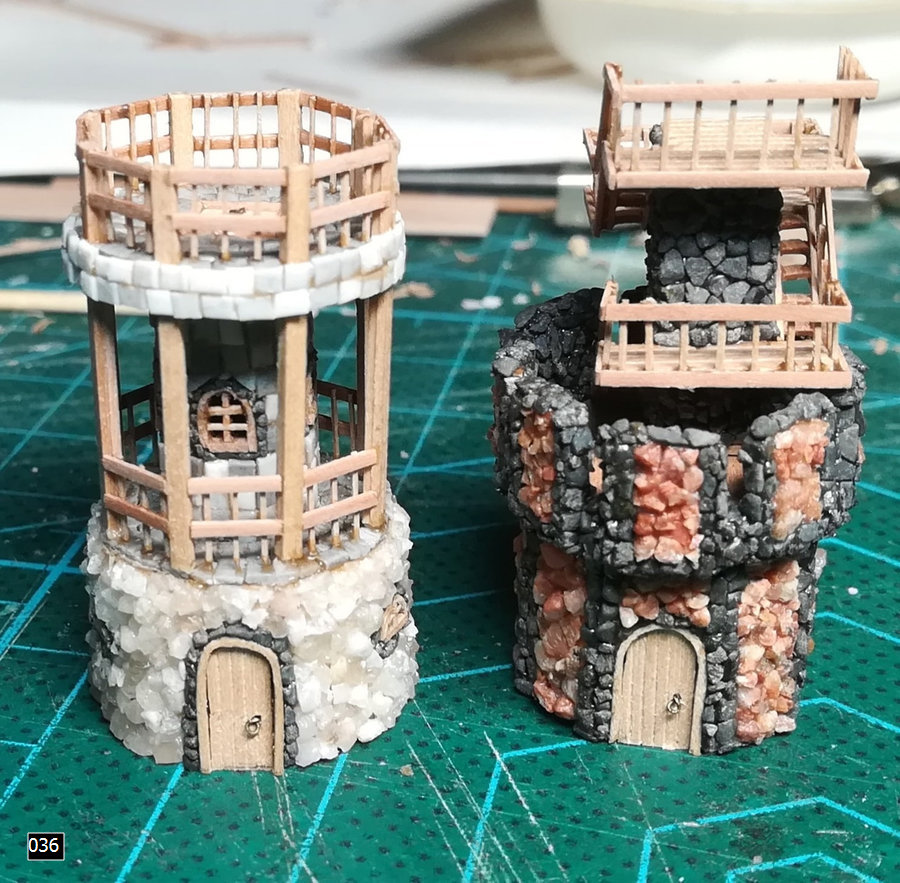
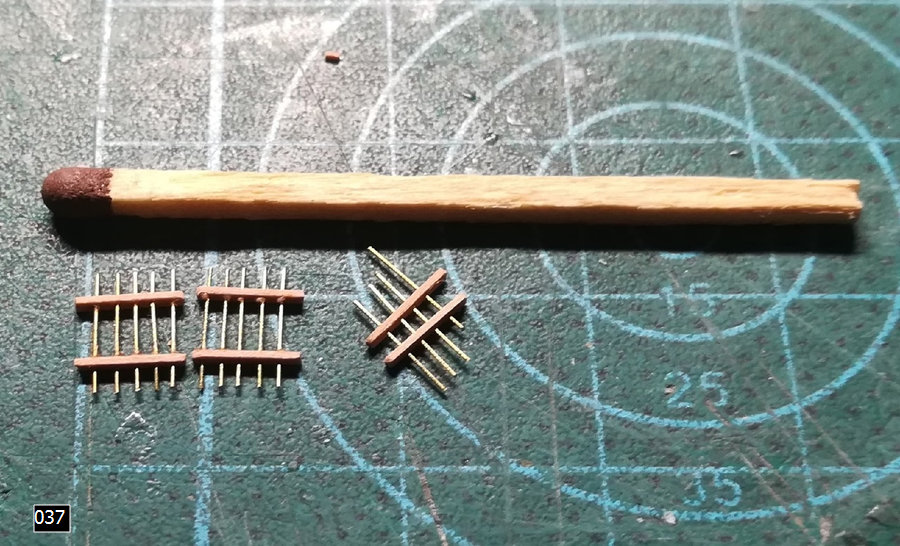
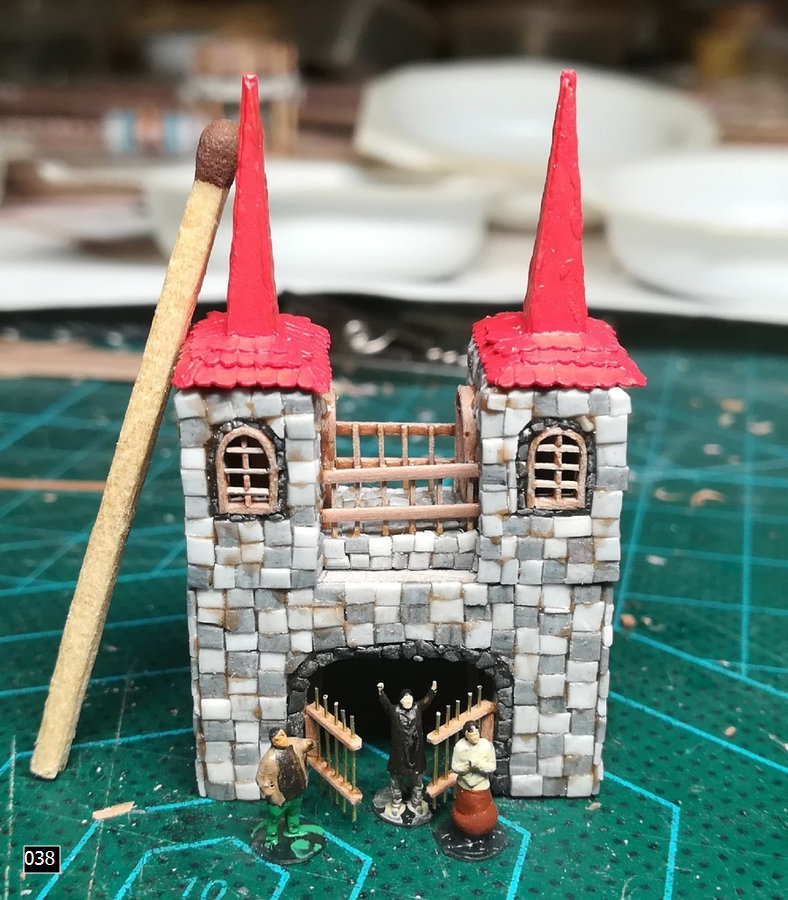
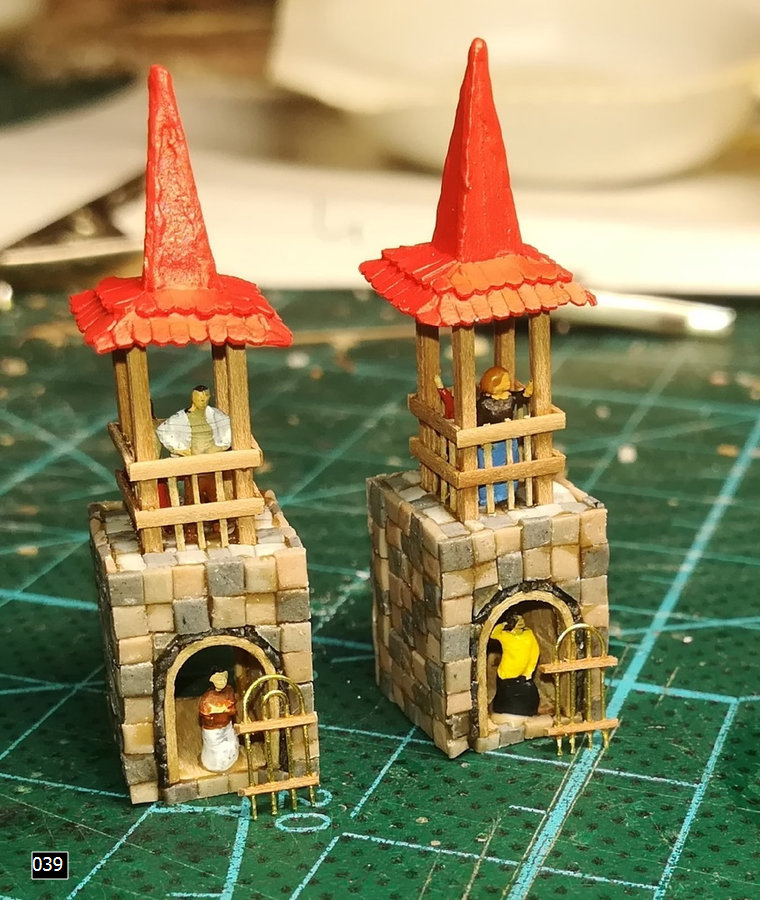
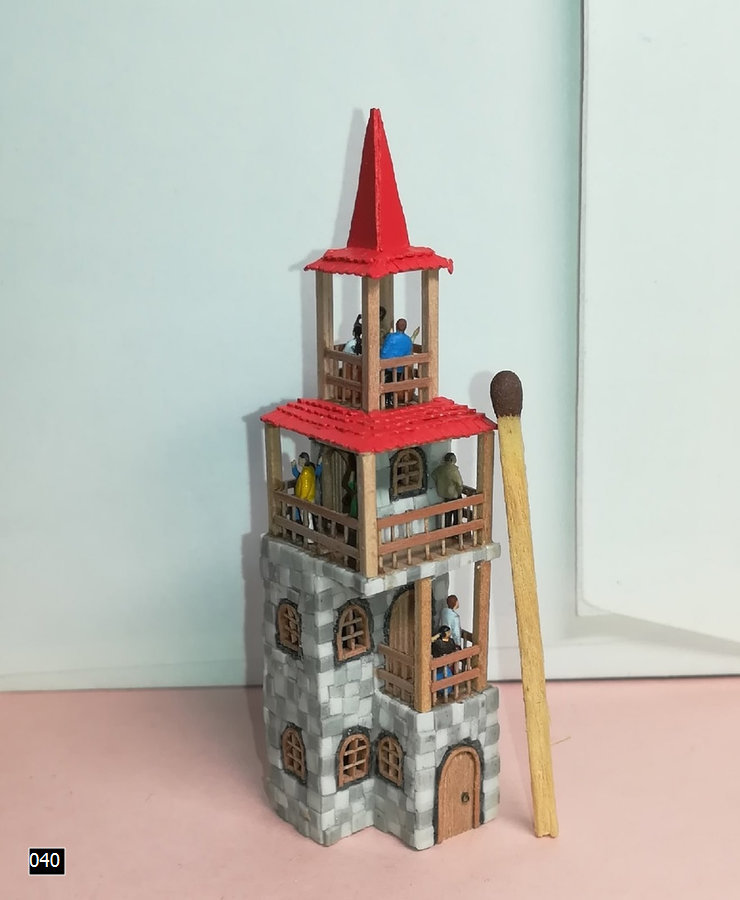
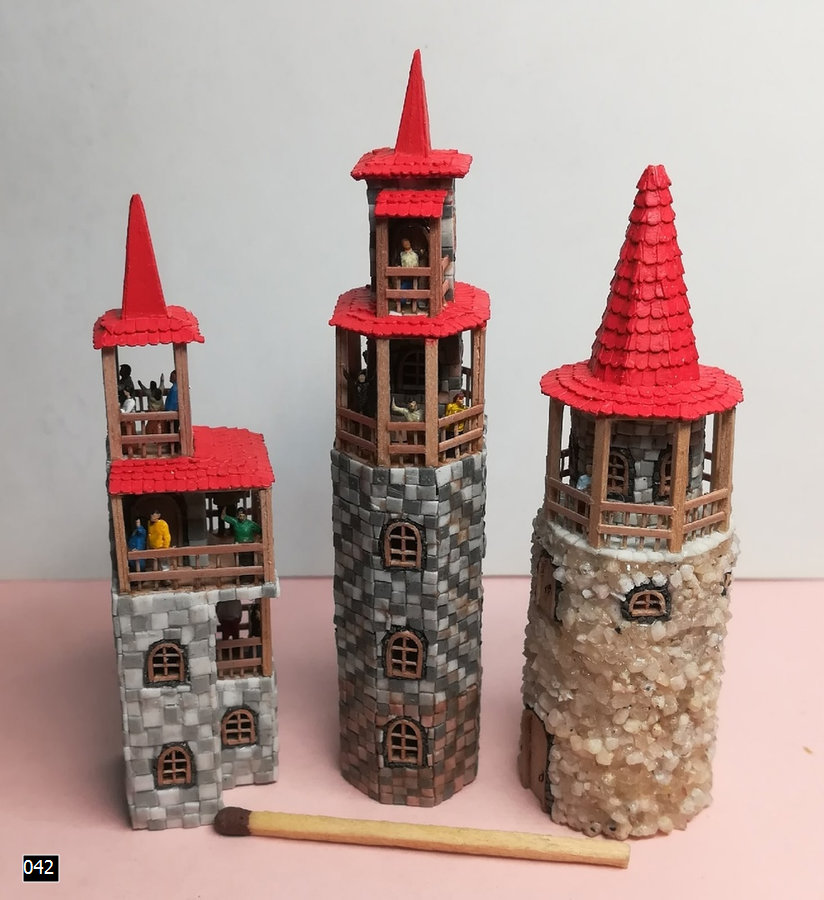
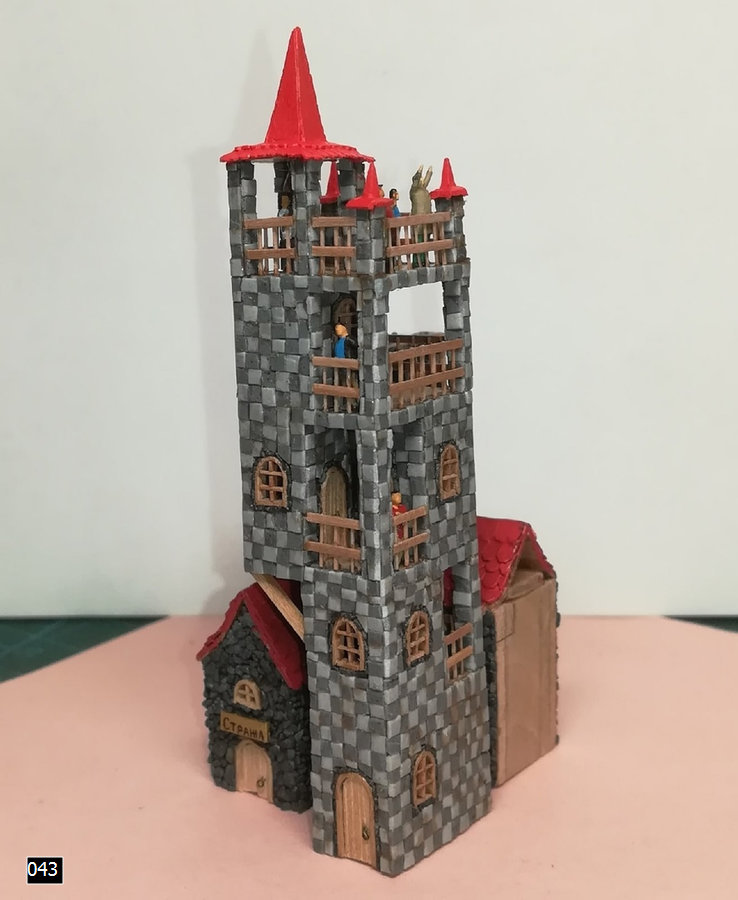
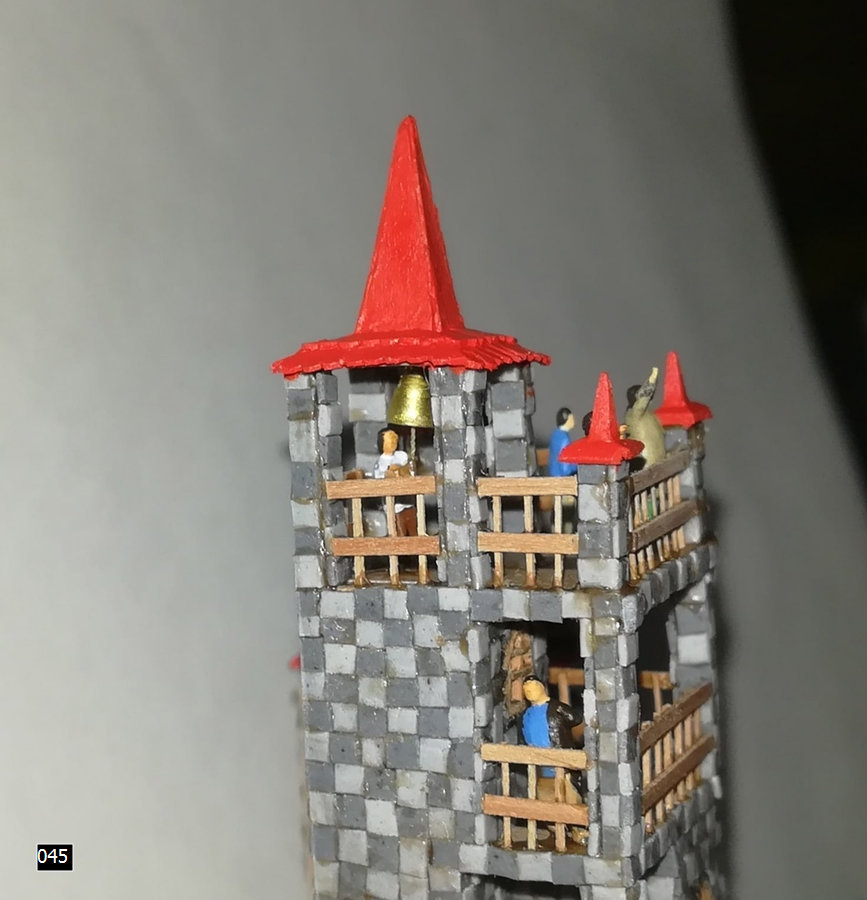
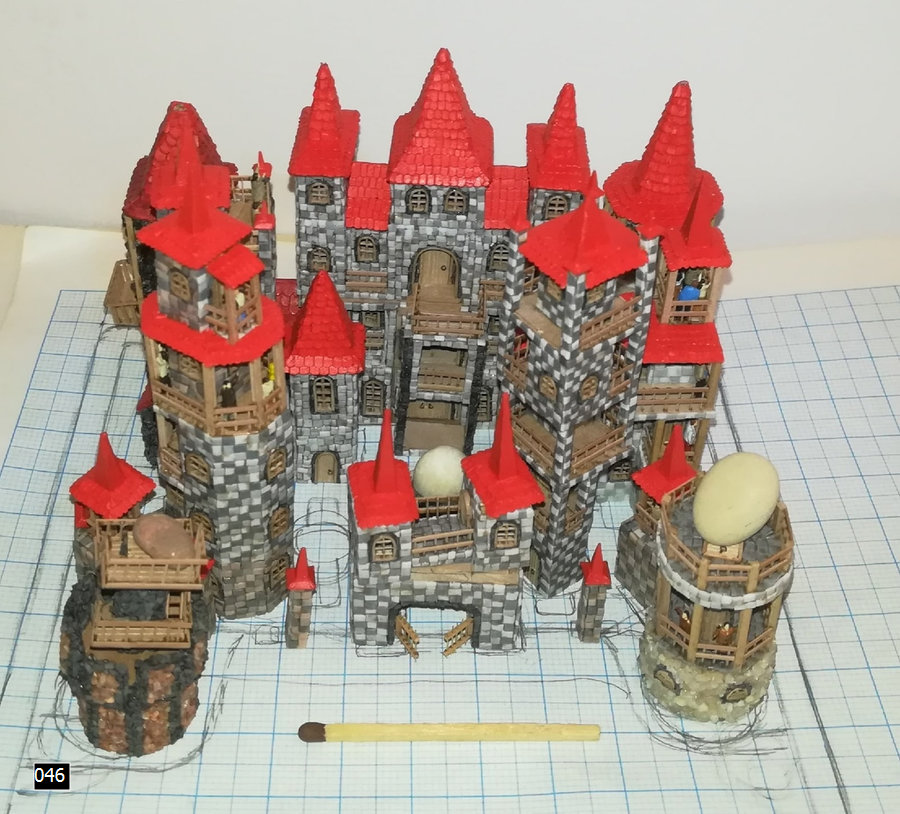
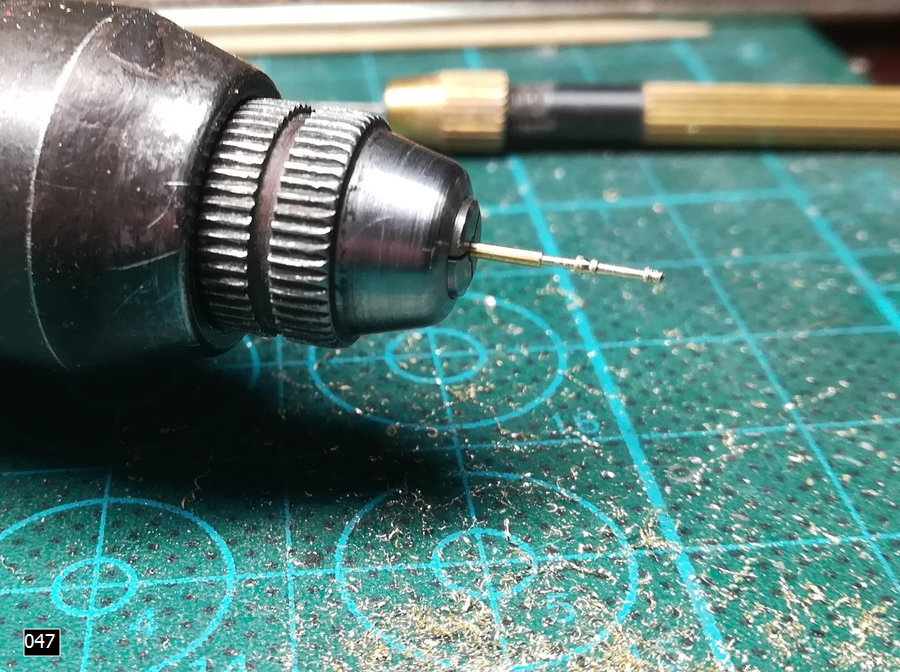
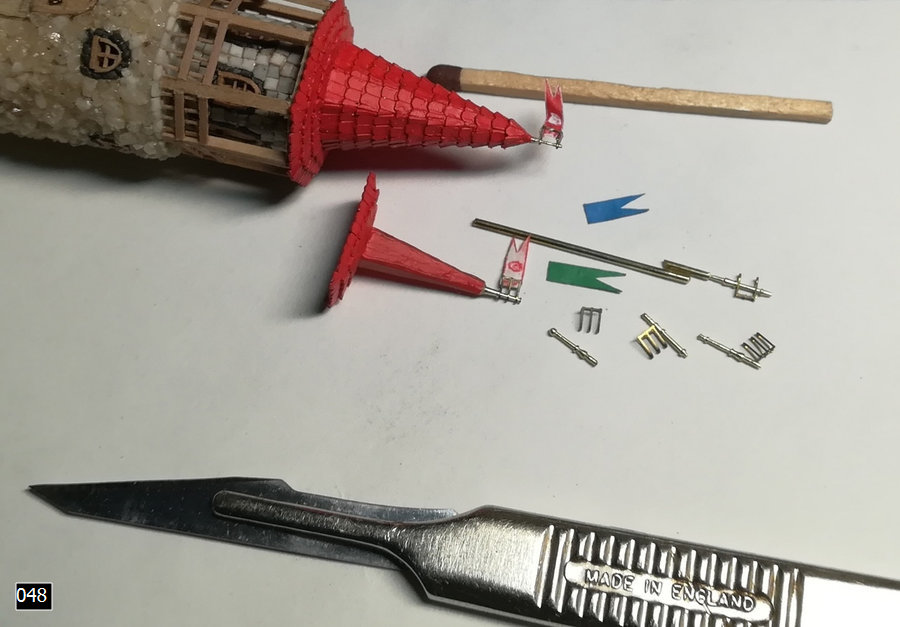
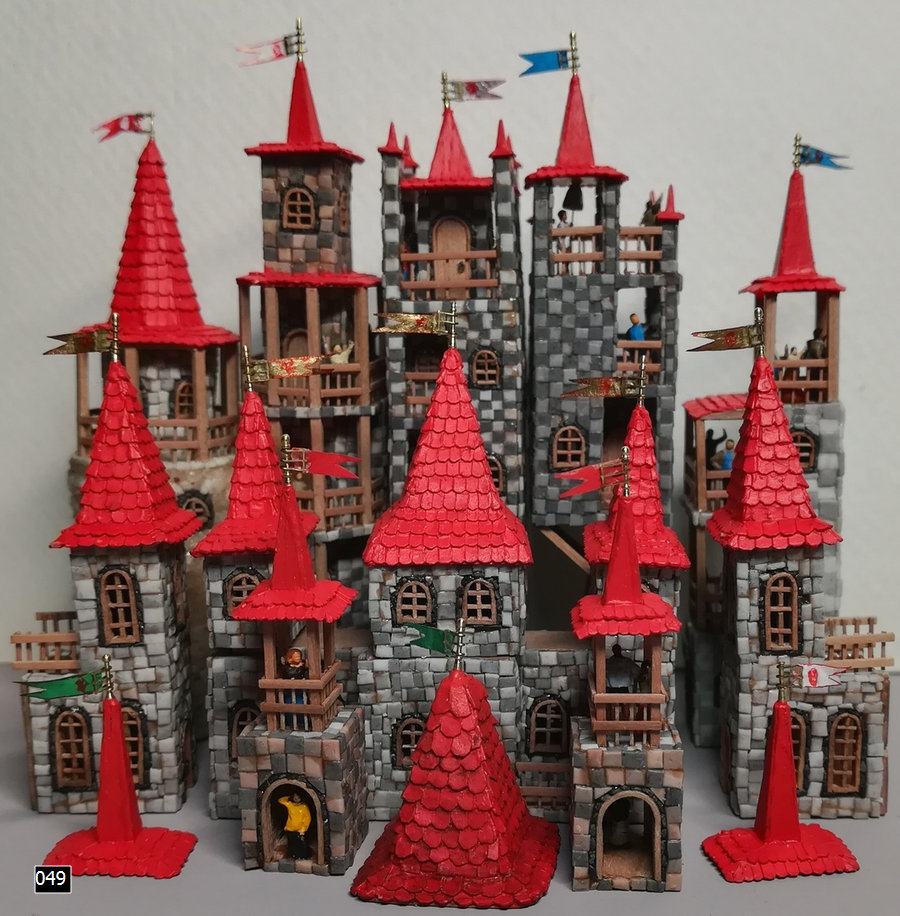
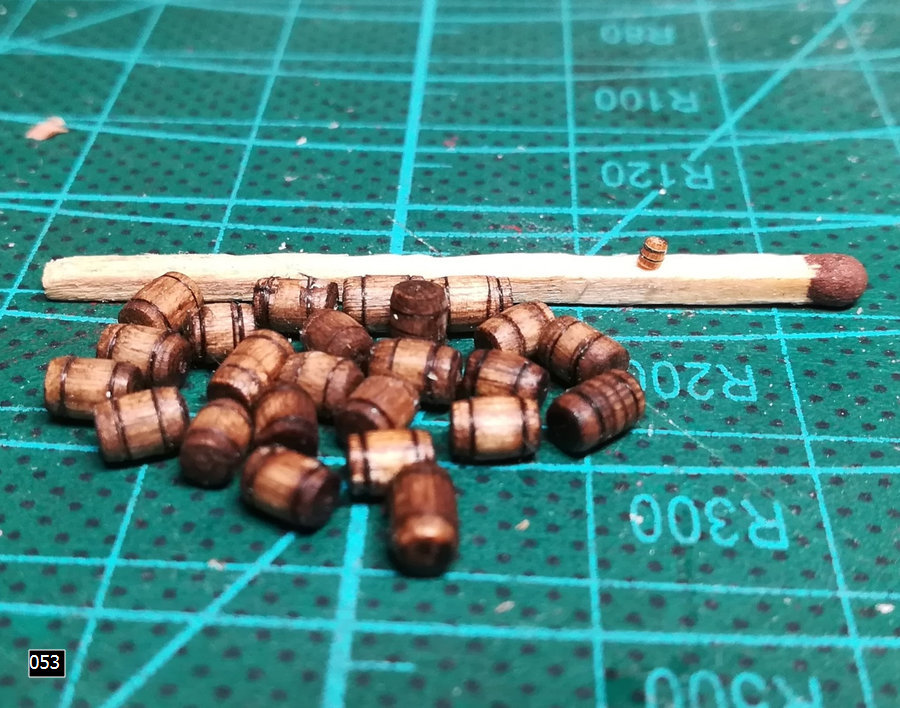
I also made various small items for the ships: anchors (the very ones, half of which would later lie on the harbour bottom with their cables cut), barrels, ship's boats, and Lilliputian figures on board.
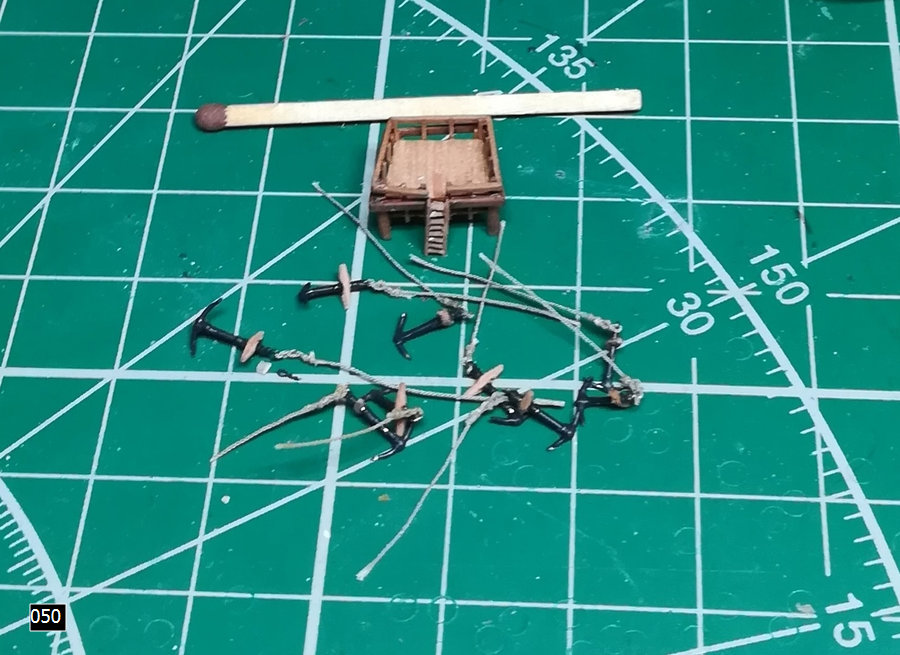
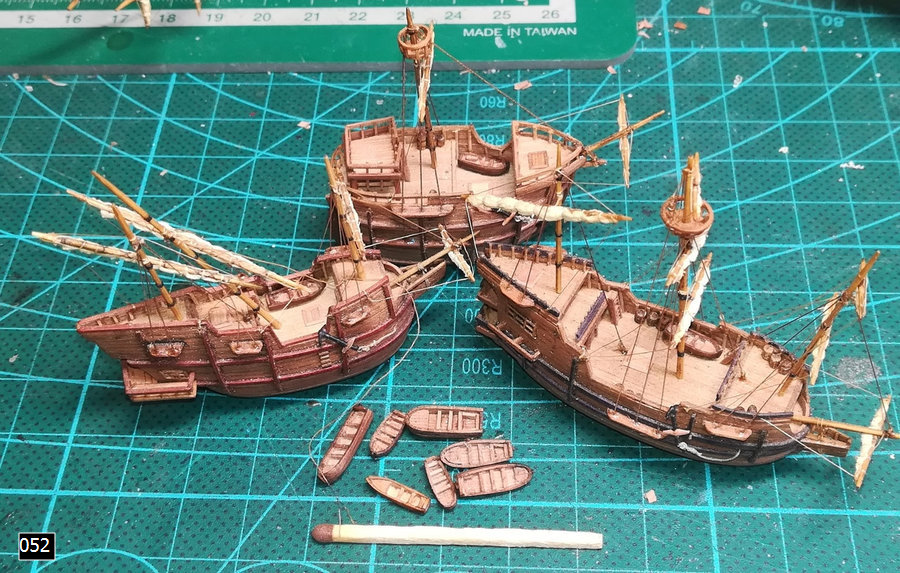
In addition, I placed colourful egg-shaped shields made of hornbeam along the ships' sides.

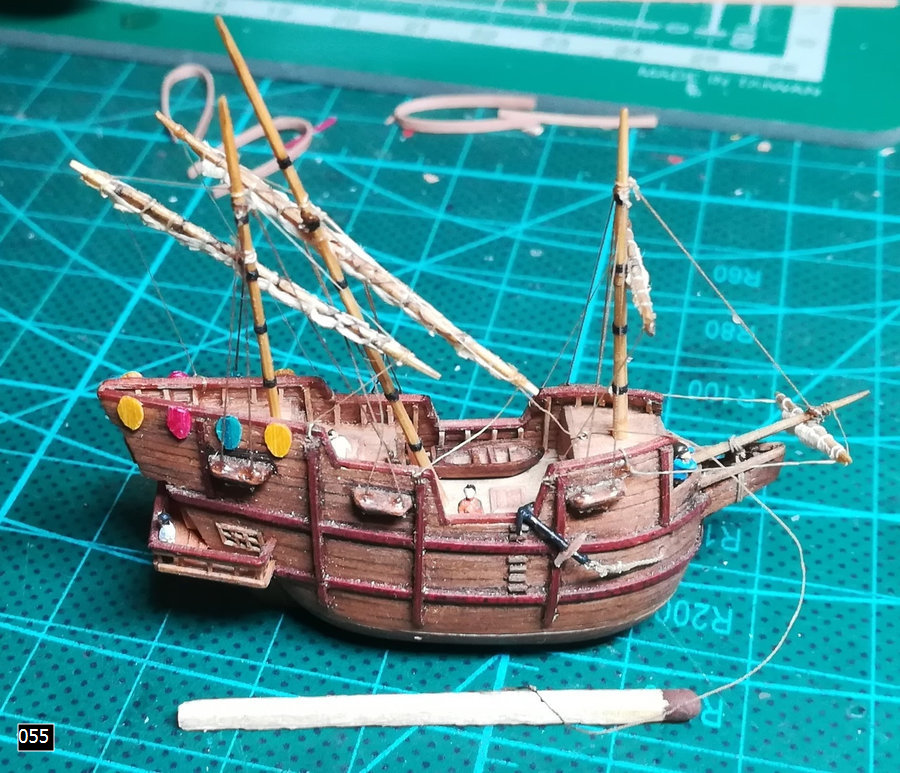
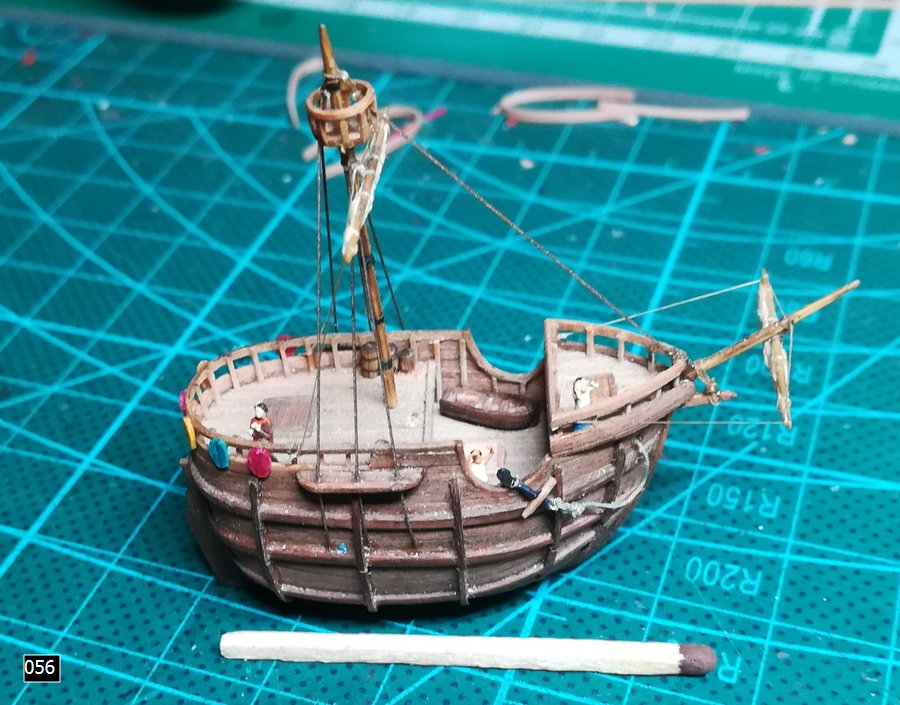
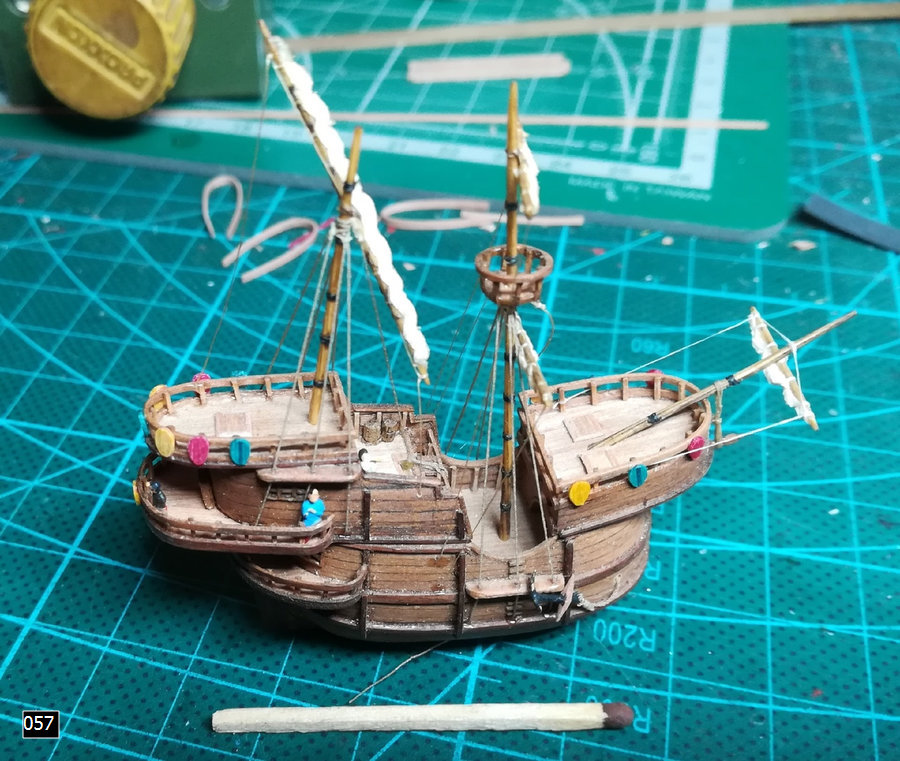
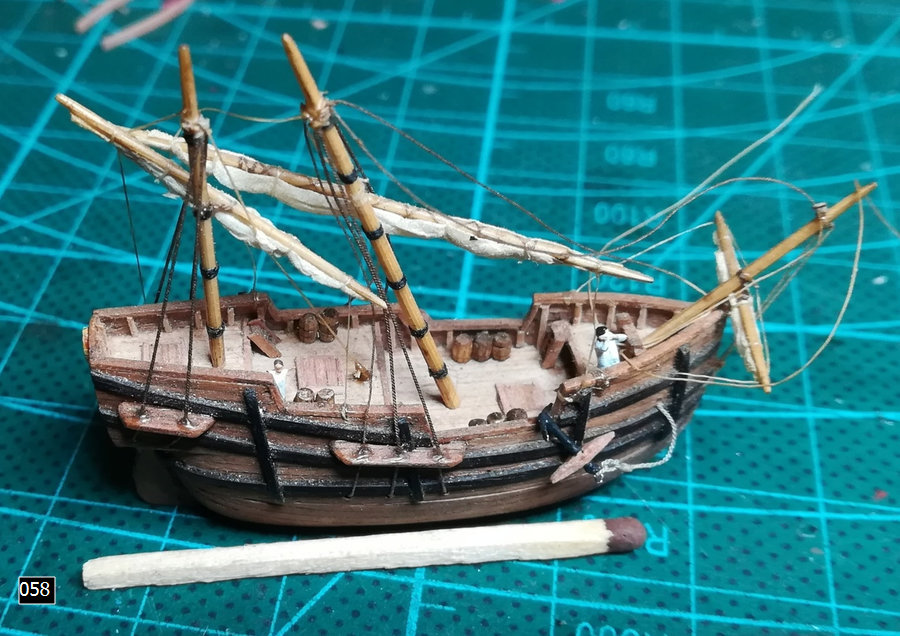
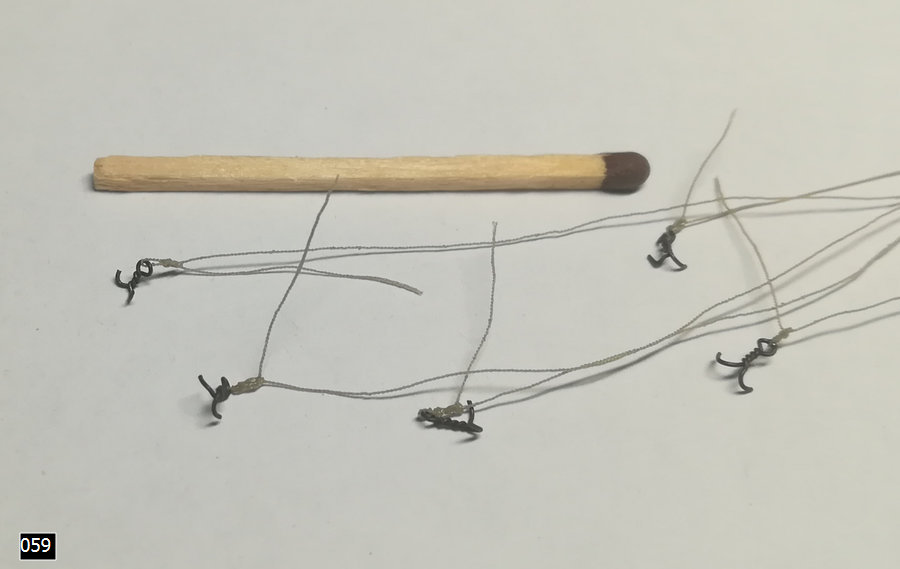
Among those small things were also the cables with hooks that, in Swift's text, Gulliver used to tow the ships after cutting their anchor cables.
Or a pair of ship's boats with Lilliputians, for which a little free space was found on the surface of the "sea" — and immediately an idea was born: to show their attempt to stop the ships being towed away by Gulliver.

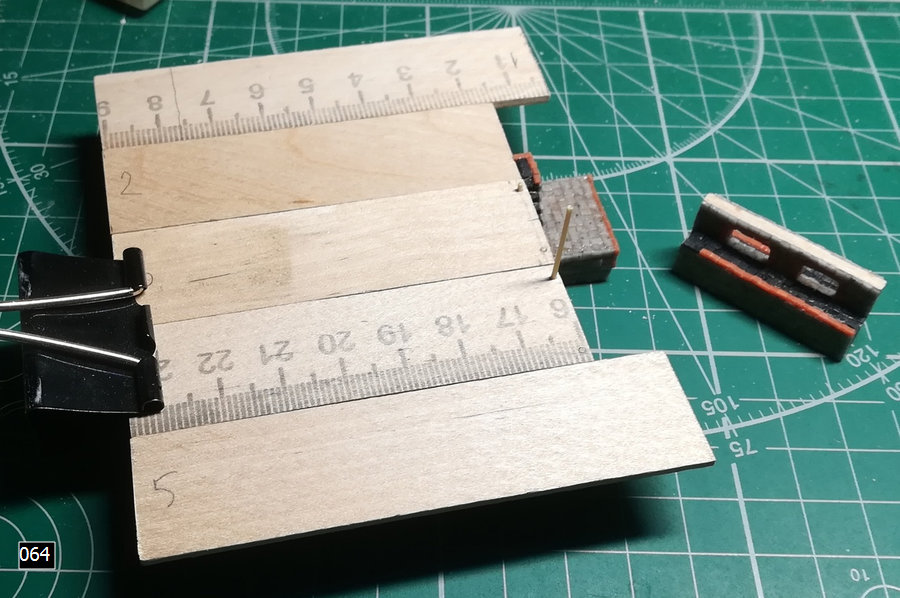
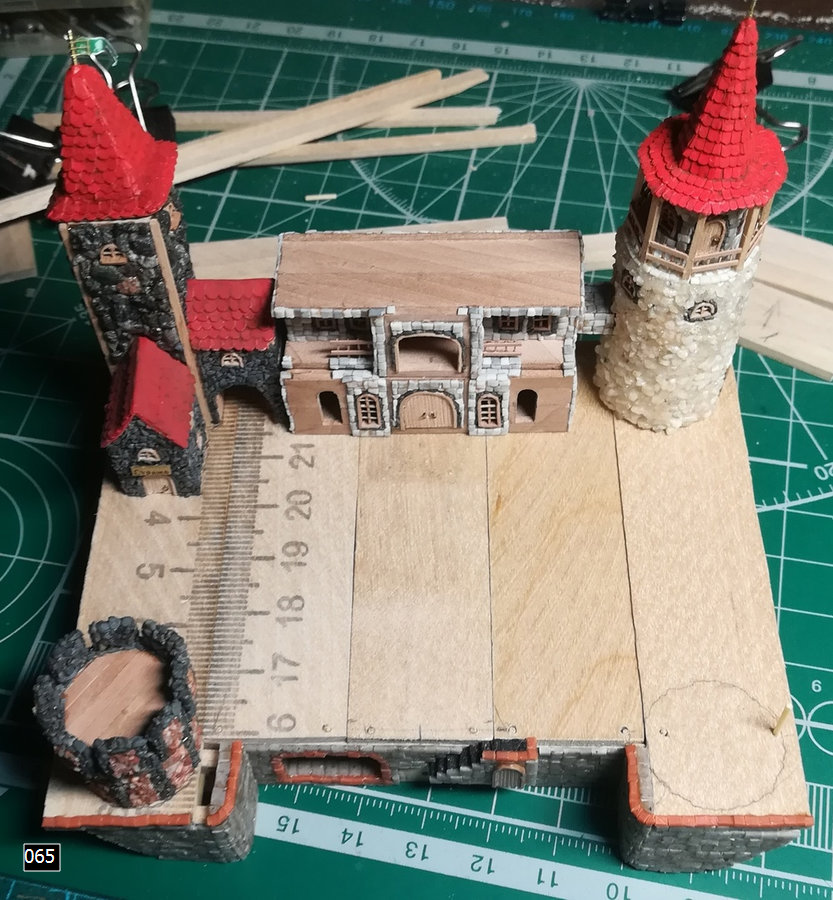
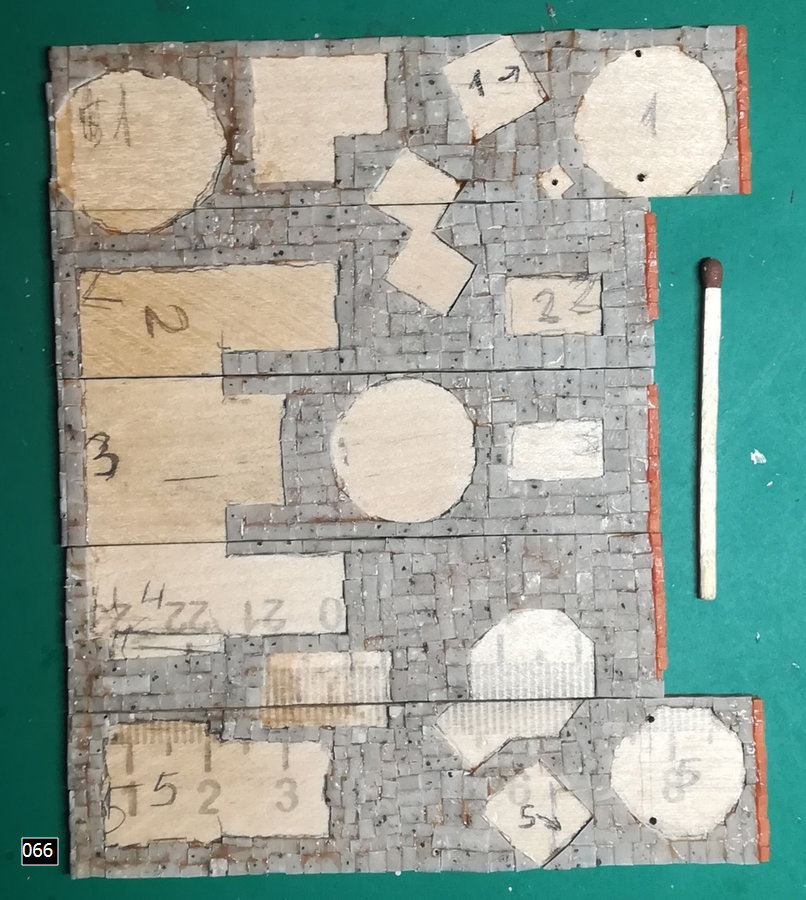
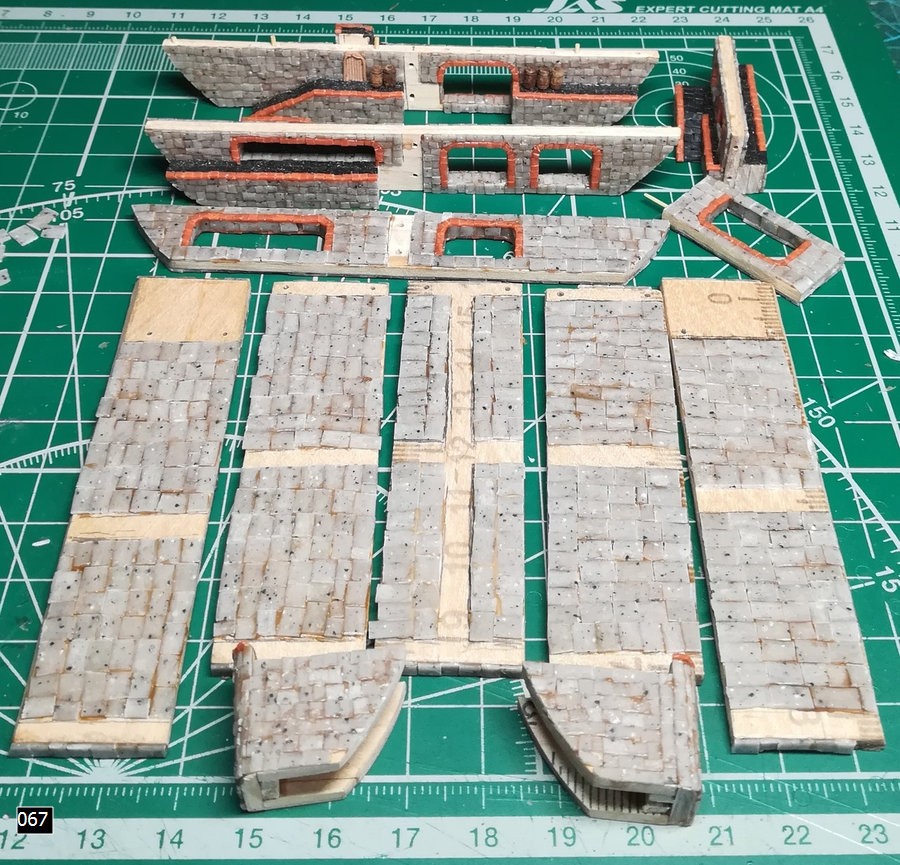
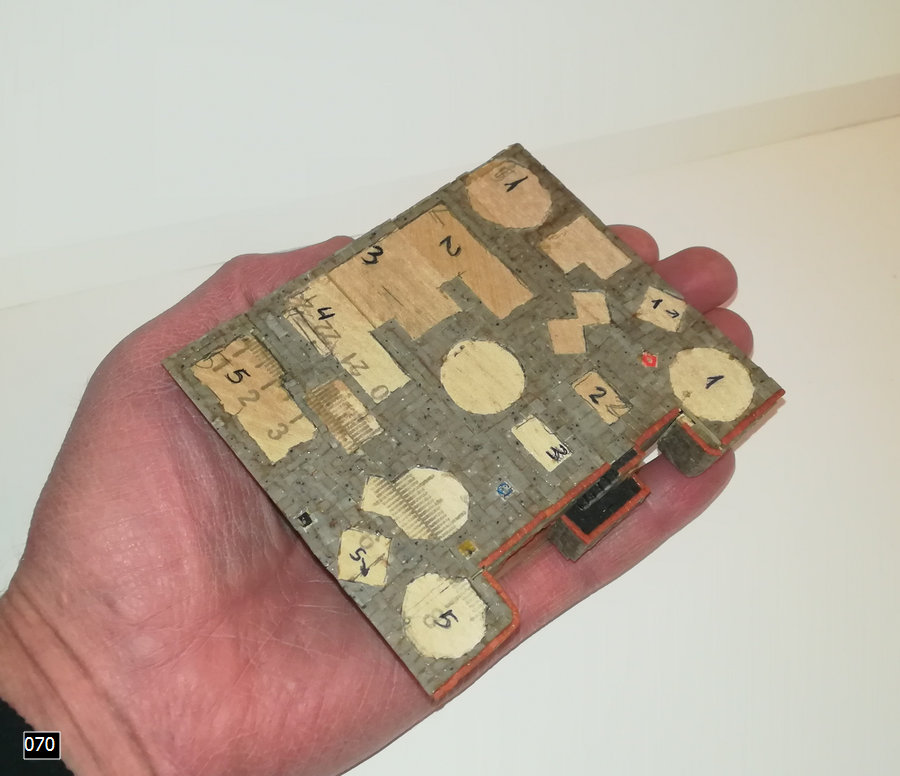
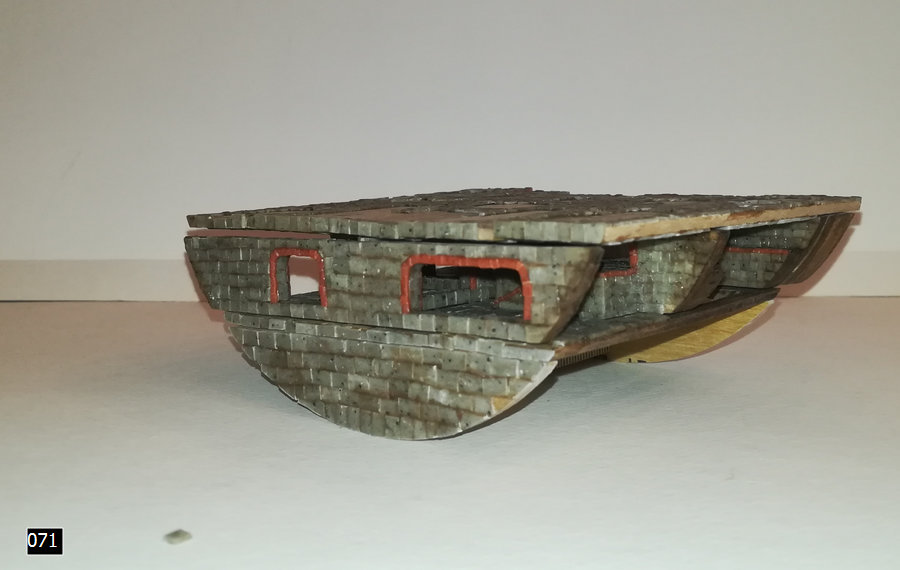
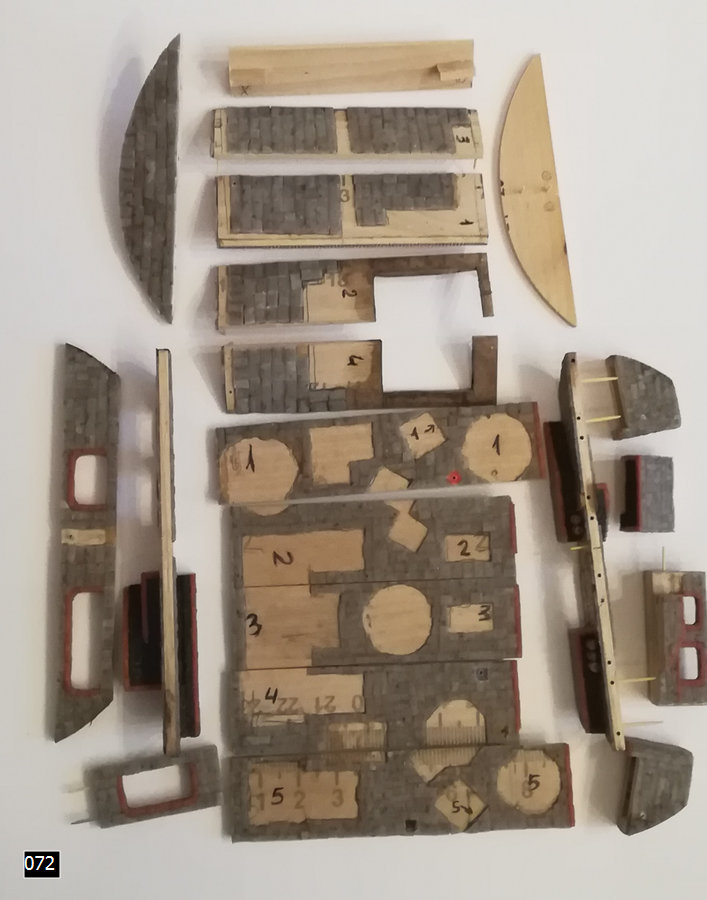
At some point, I finally figured out how to make the city base with underground levels and a level surface, allowing the planned placement of all elements to be precisely maintained during assembly inside the bottle.
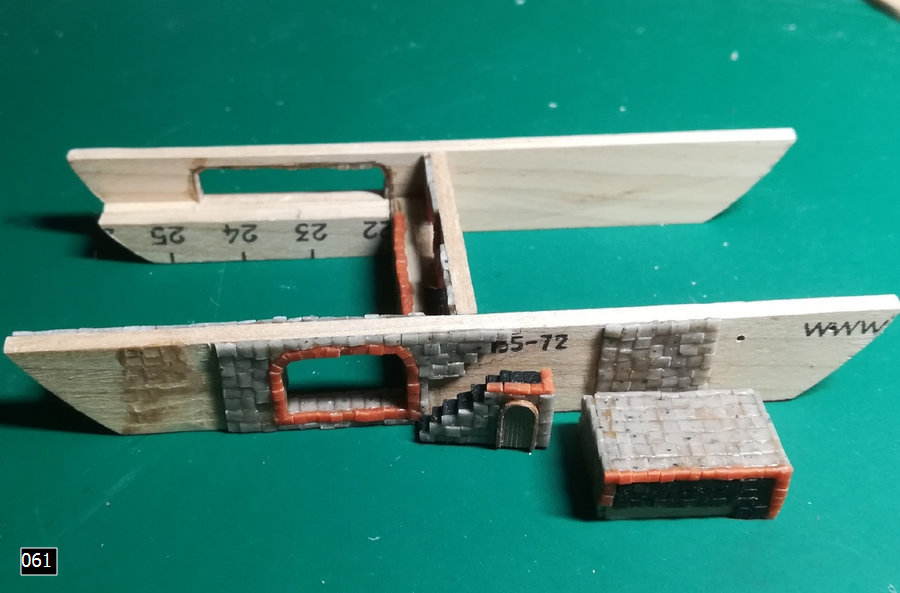
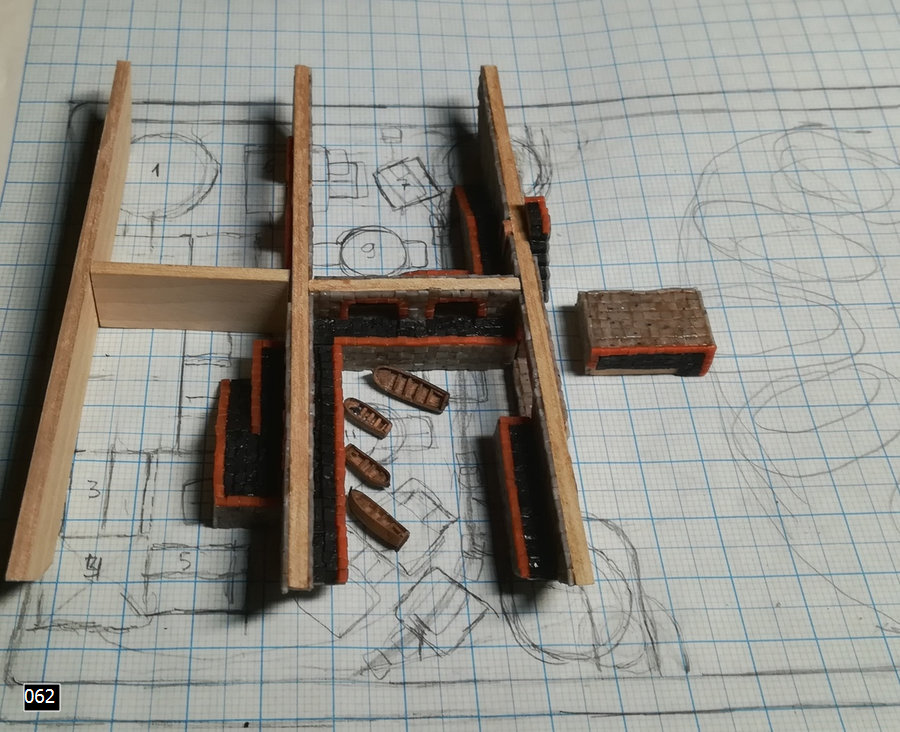
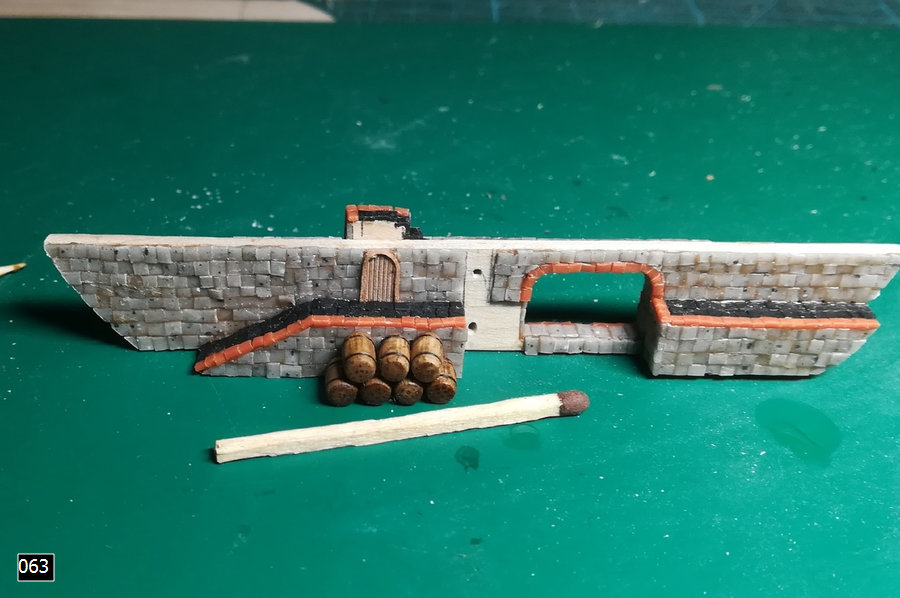
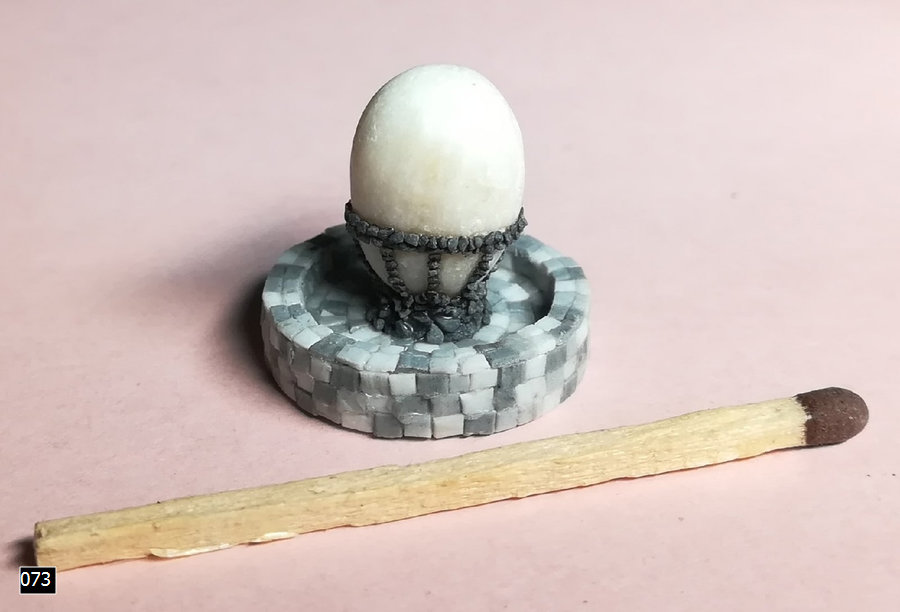
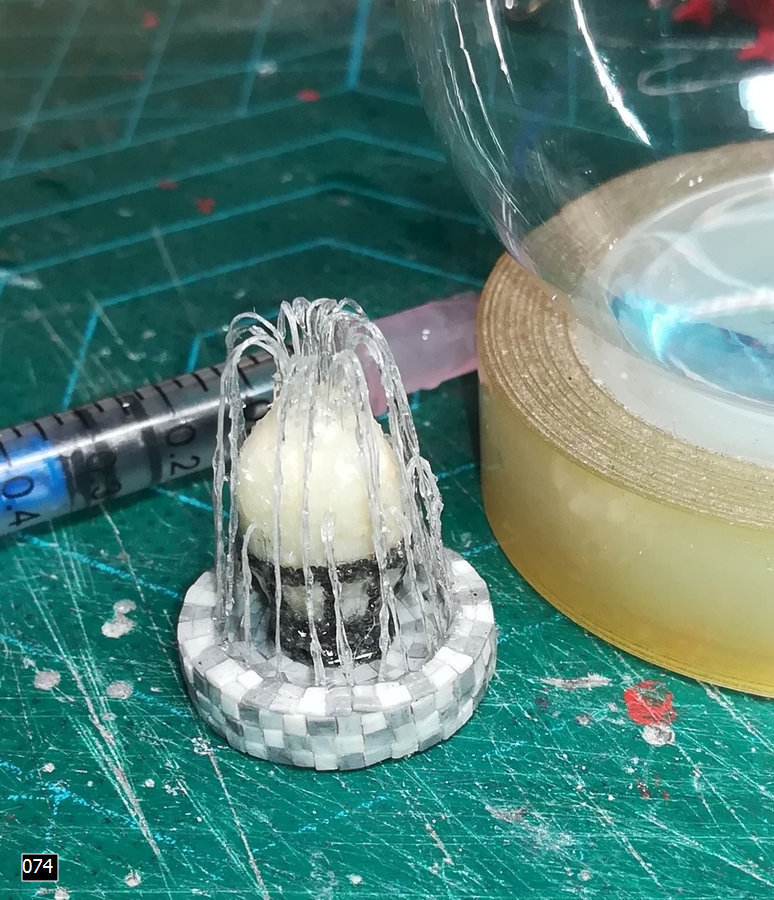
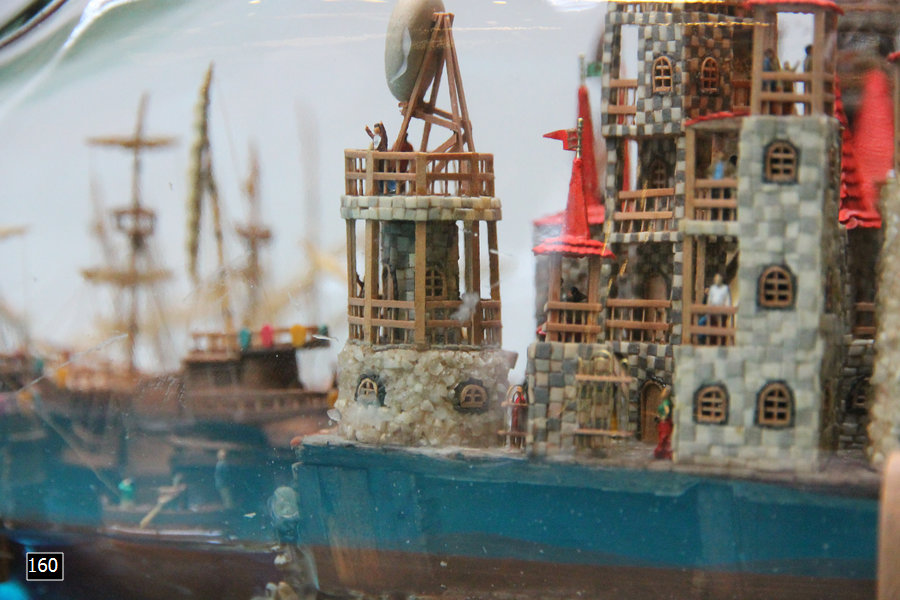
And another interesting element, born by accident, was the fountain in front of the palace entrance. At its centre is an egg-shaped stone, held by a stone band. So the egg theme returned for the fourth time: ship cupolas → shields on the sides → leading towers → the fountain.
By the time I finished all this preparatory work, 2023 was ending. The project had already lasted more than four years. I had made practically everything that was to go inside the bottle, and I assembled and disassembled the whole composition on the table again and again, to bring out new nuances, to mark for myself the particularly difficult and critical points, to define the sequence of my actions more precisely, to try to spot something I hadn't yet taken into account.
Usually, in almost every new project, there are 1–3 moments that I call critical, or points of no return: if I stumble on them and can't get past, the project can't be finished successfully. Before Gulliver, the largest number of such points (about 10) was in the project with the St Nicholas boat. In the Gulliver project I counted more than twenty…
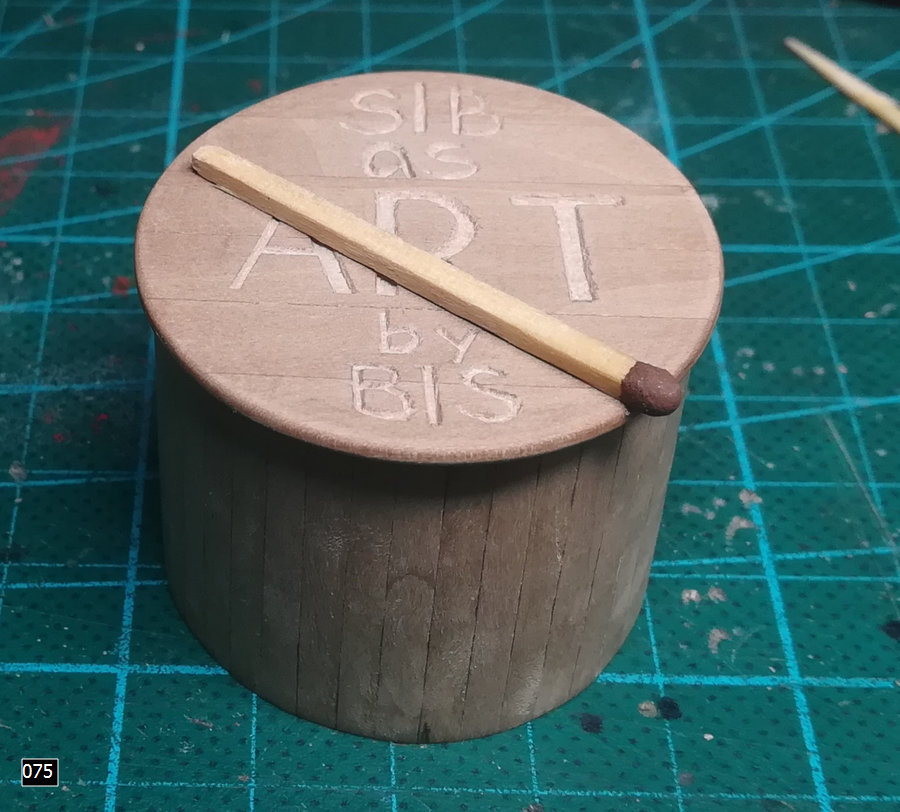
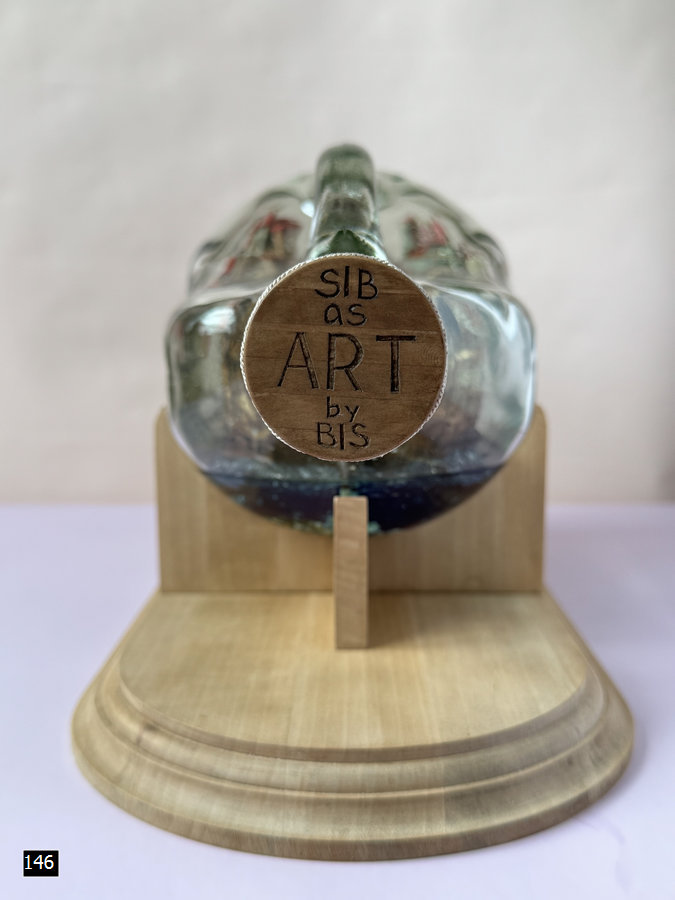
But I kept preparing for the bottling process. I made the stopper with my motto on it.
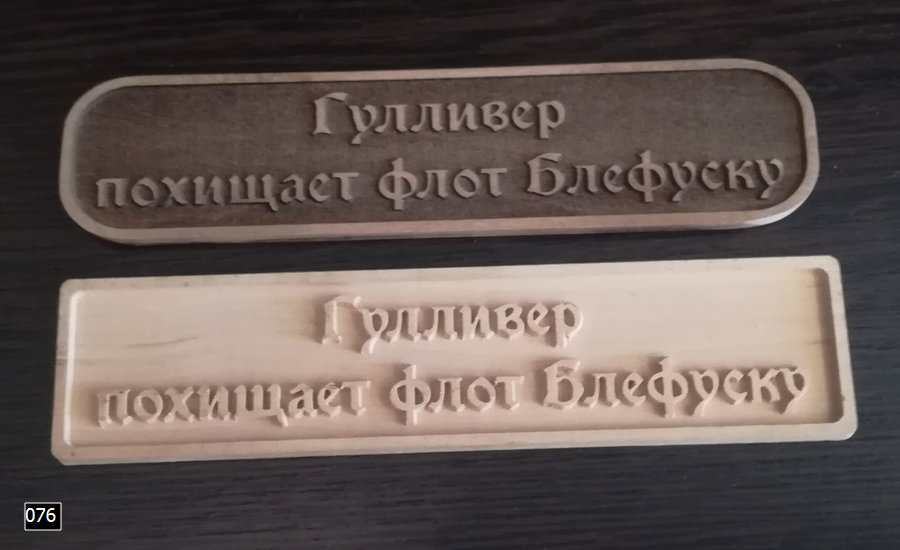
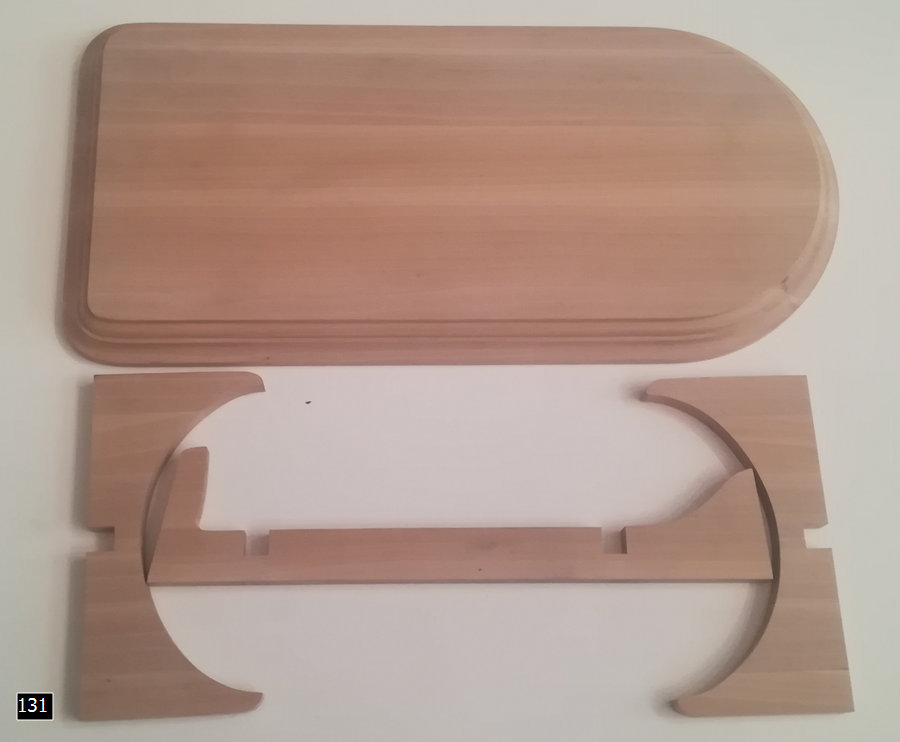
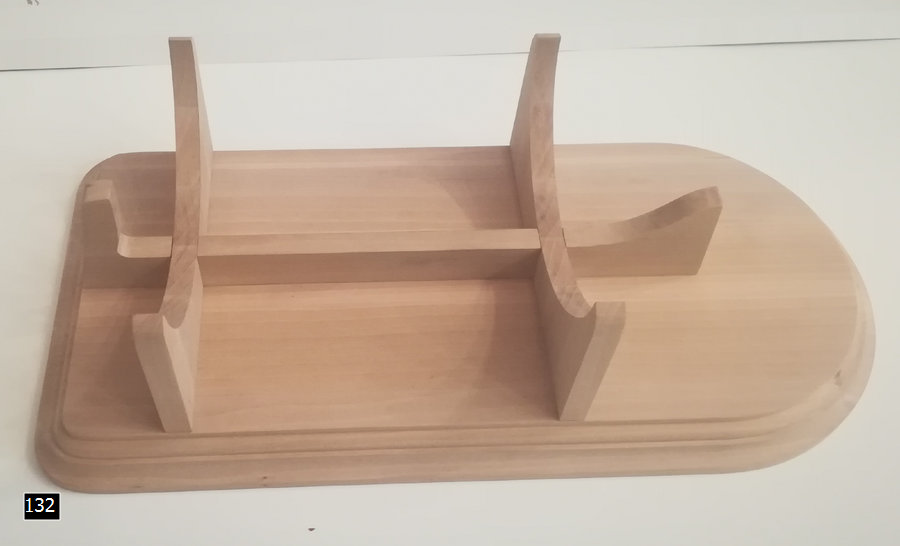
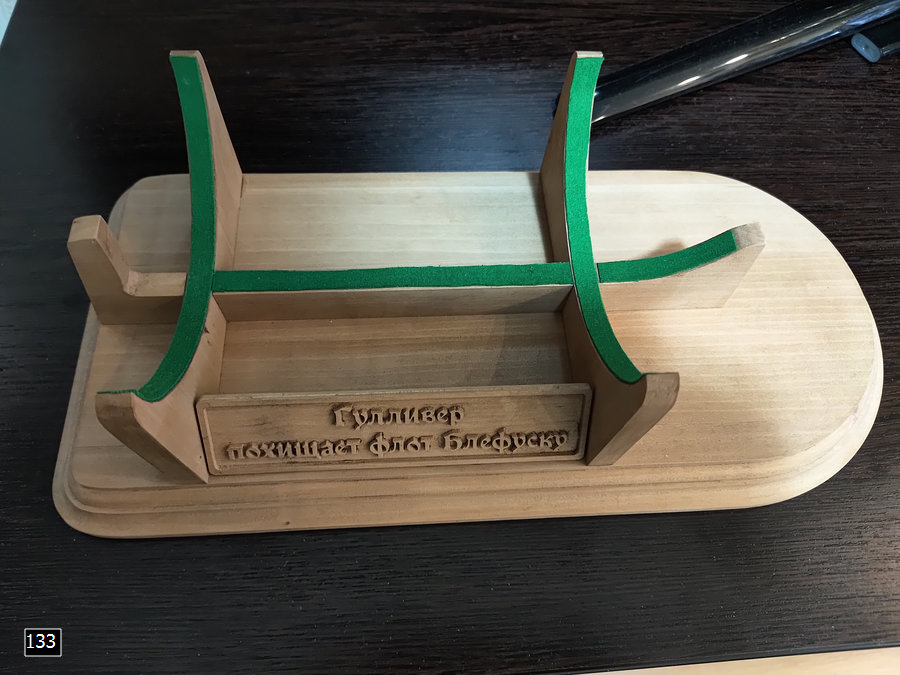
I designed and ordered a permanent stand and a nameplate for the project.
After the New Year holidays of 2024, one day I simply took and placed the first pair of parts of the city base into the bottle. I had tried it before, but this time I glued them together, having carefully checked the angle of the parts relative to each other. After that, there was no going back.
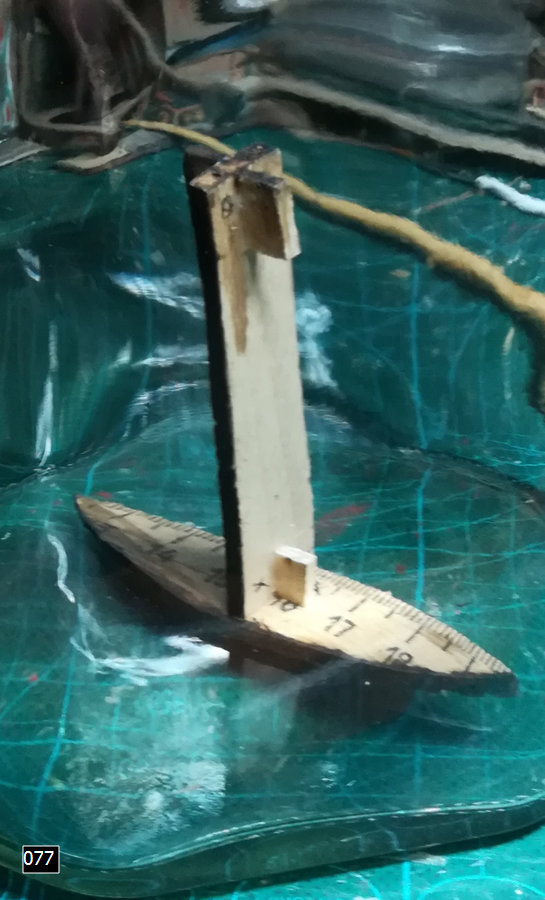
Then I continued assembling this structure, installing the parts in the order determined earlier. The hardest thing at that moment was waiting for the glue to dry.
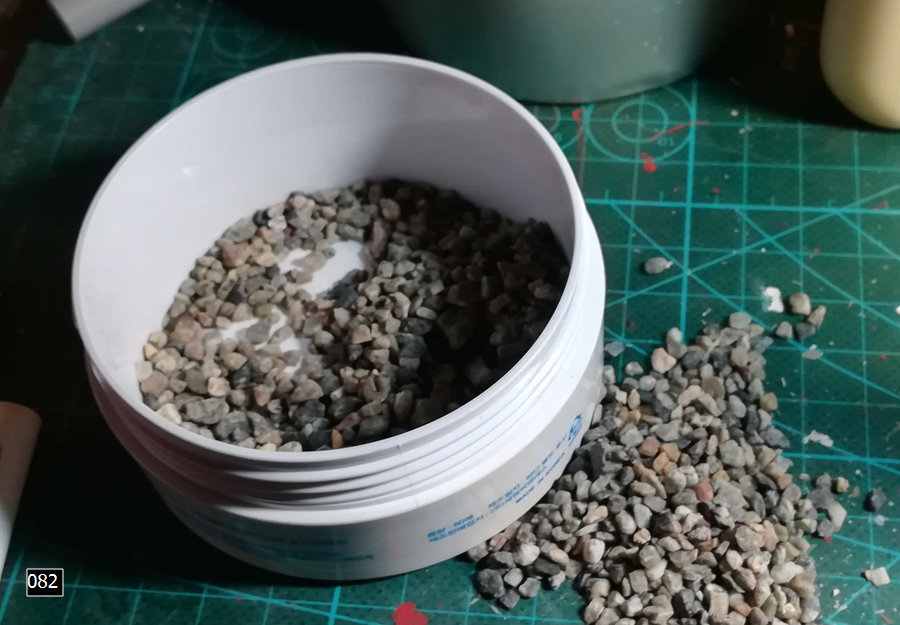
I created the appearance of land by gluing many small stones to the bottom of the bottle and to the walls of the assembled structure. At the same time, I periodically installed parts of the inter-tier deck to check them. So the assembly didn't go strictly top-down or bottom-up — it went back and forth: place a tier — test-fit the deck — glue stones — test-fit again. And only then move on.
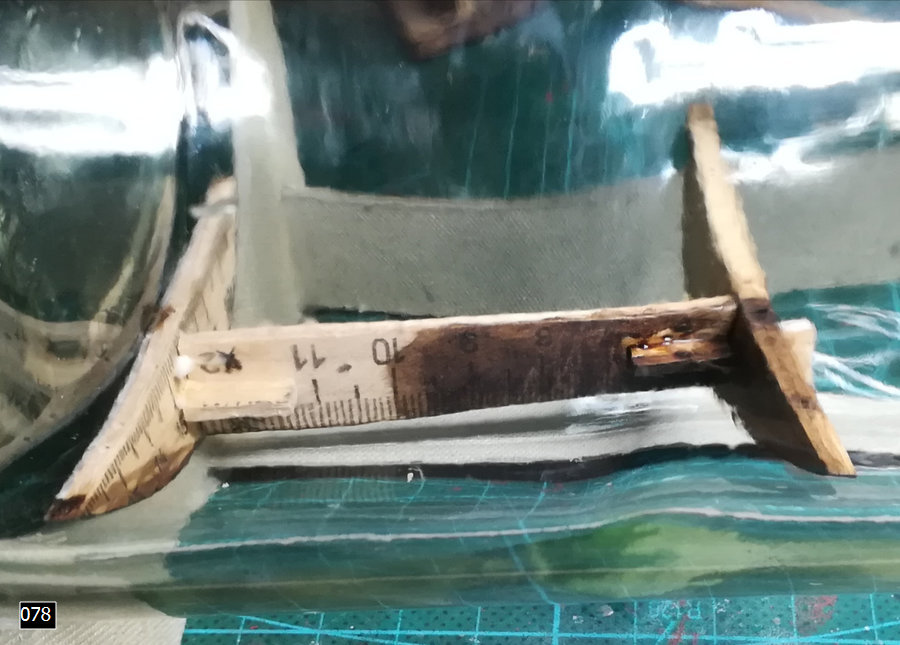
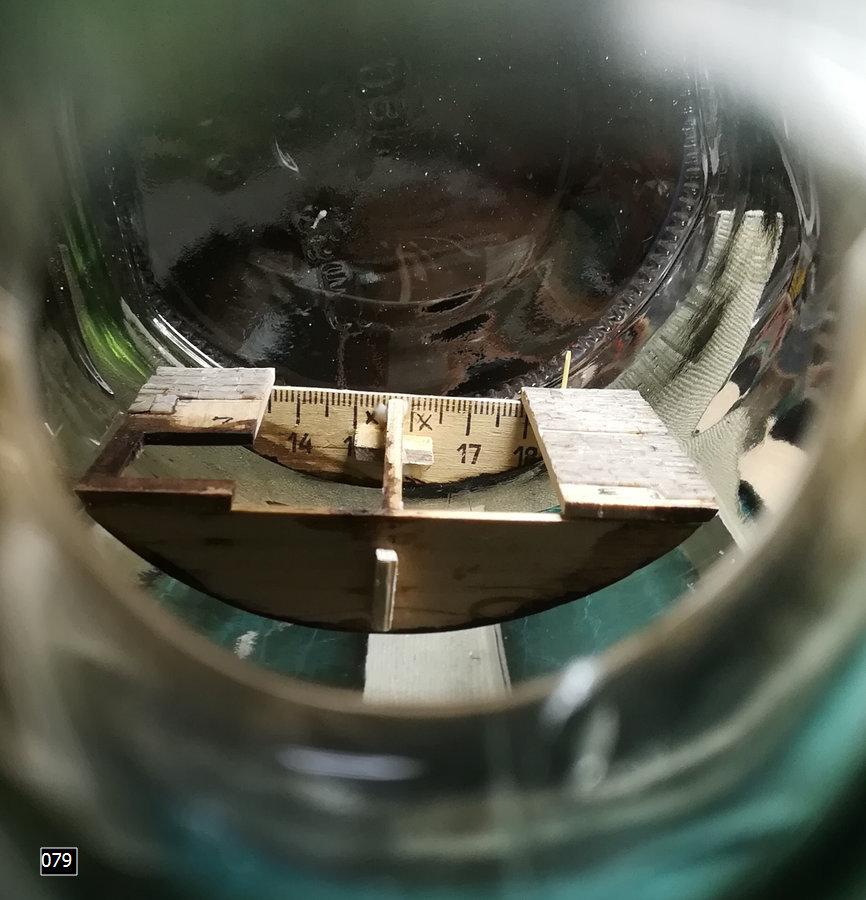
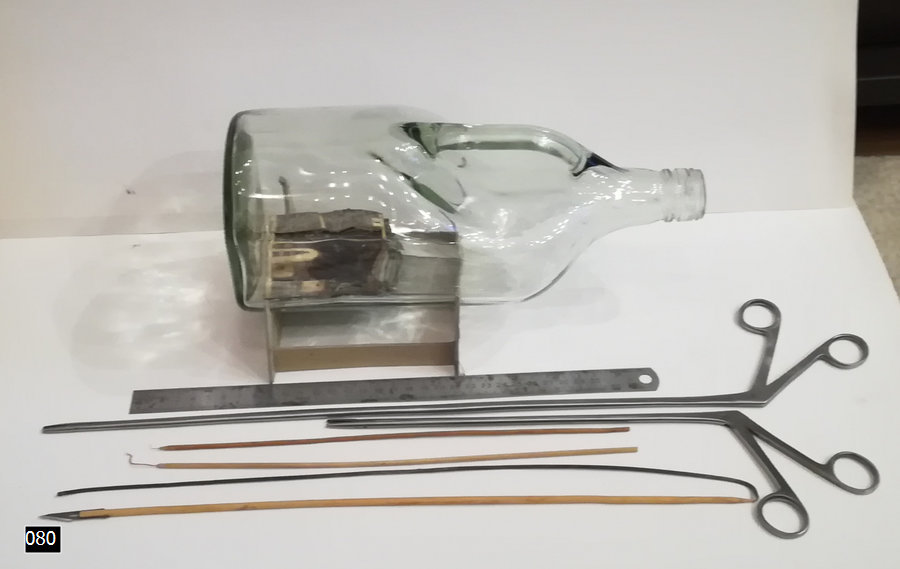
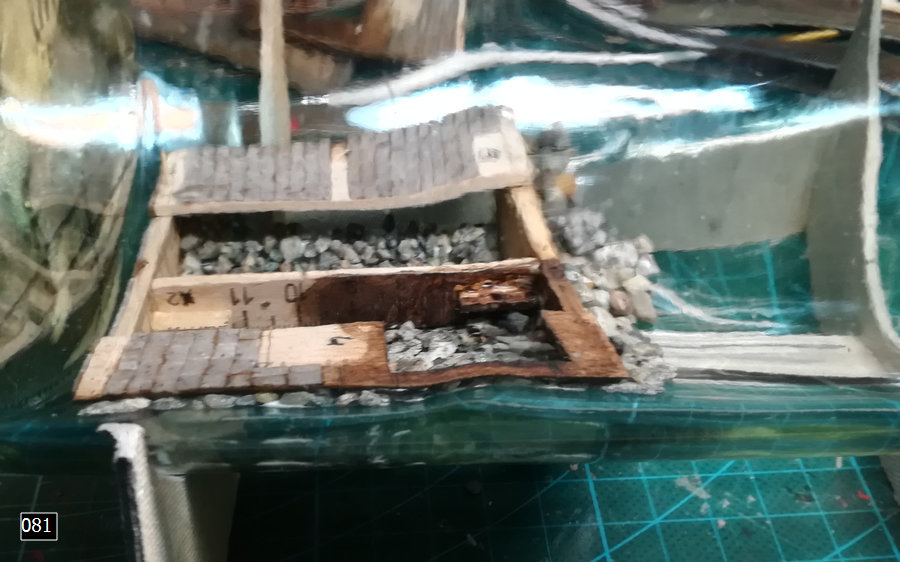
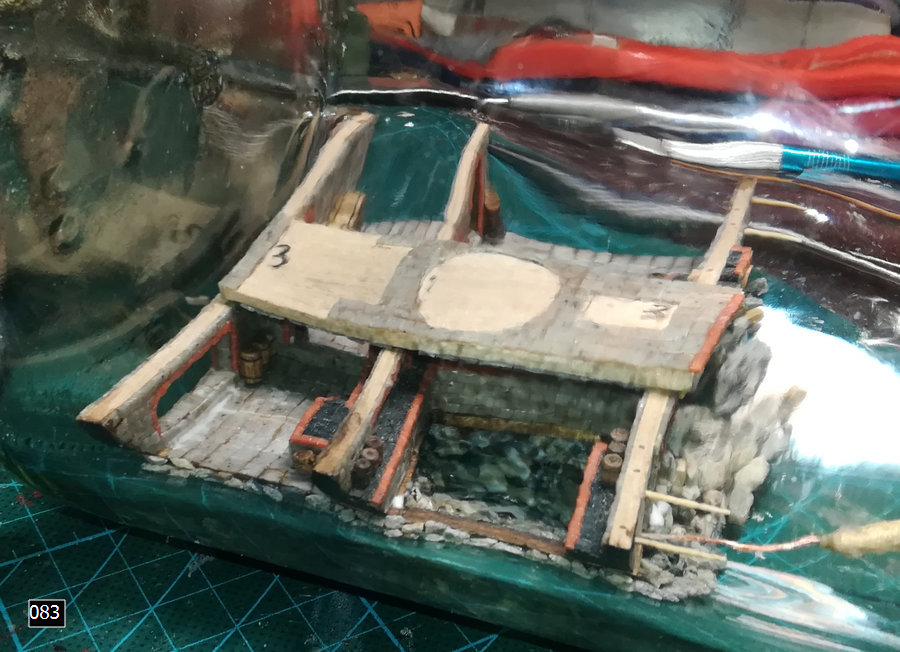
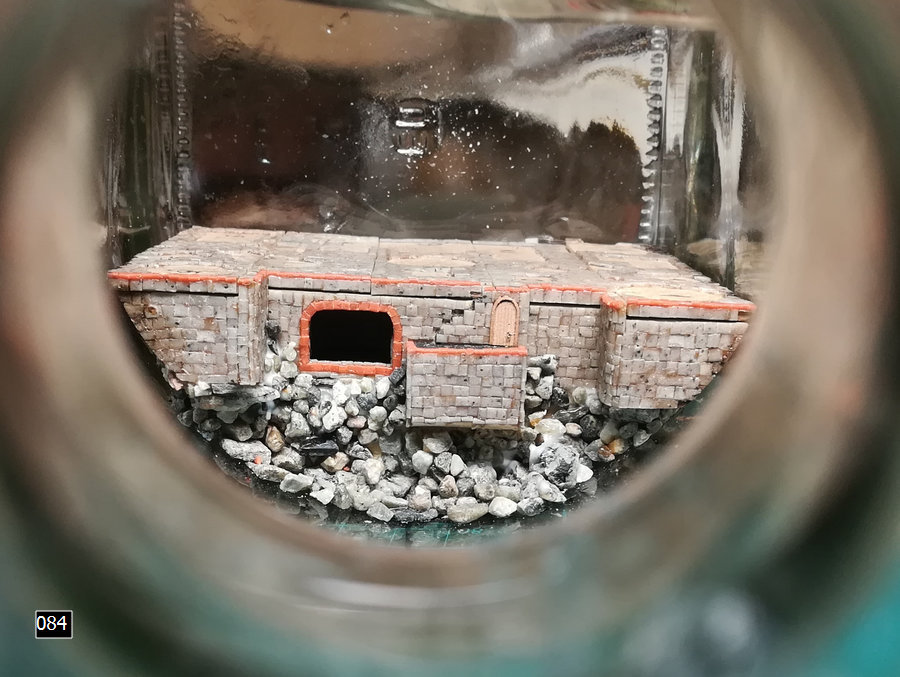
In the end, I finished the city base, created the bottom of the "sea" — and the moment came to pour the first portion of "sea".
To solve the problem of installing Gulliver in the final part of the assembly, I created something like a caisson, which I wrapped in cling film, filled with small stones, placed in the spot intended for Gulliver, and poured a portion of "sea", fixing the caisson in its place.
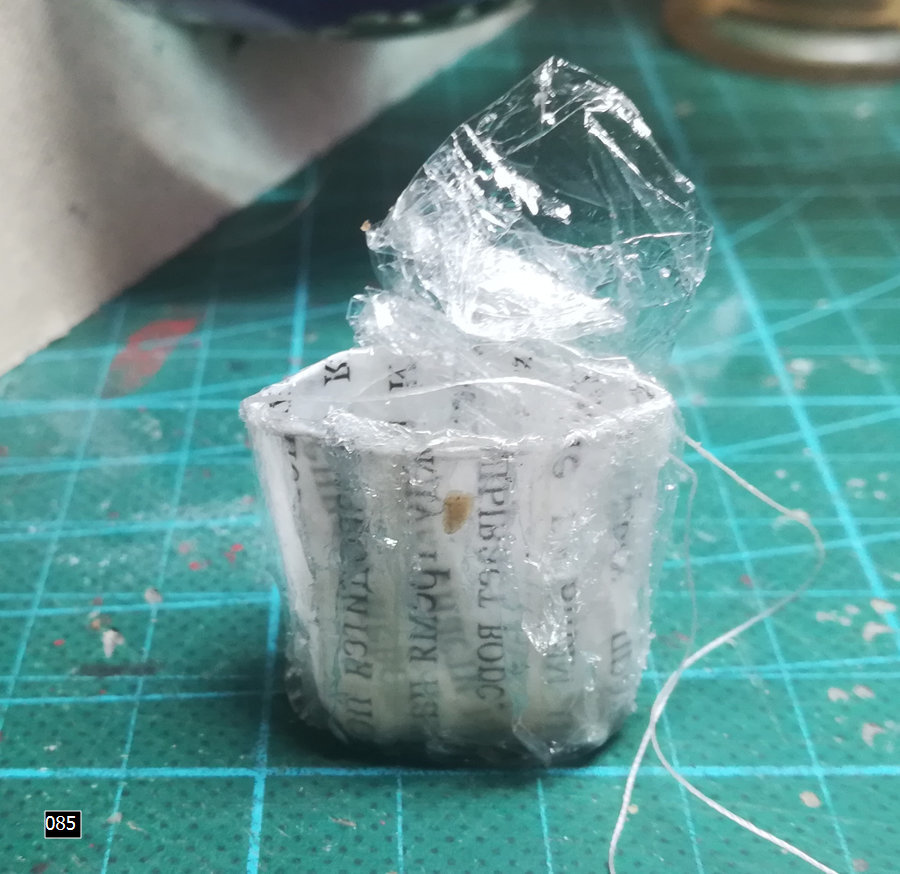
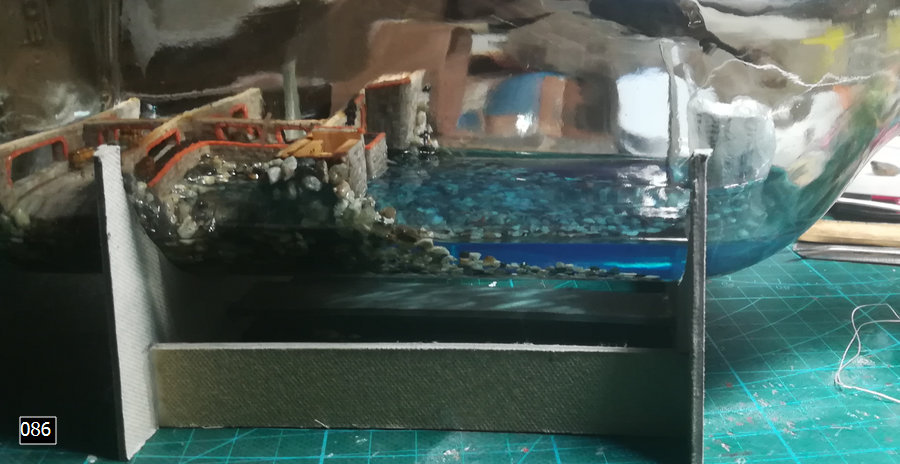
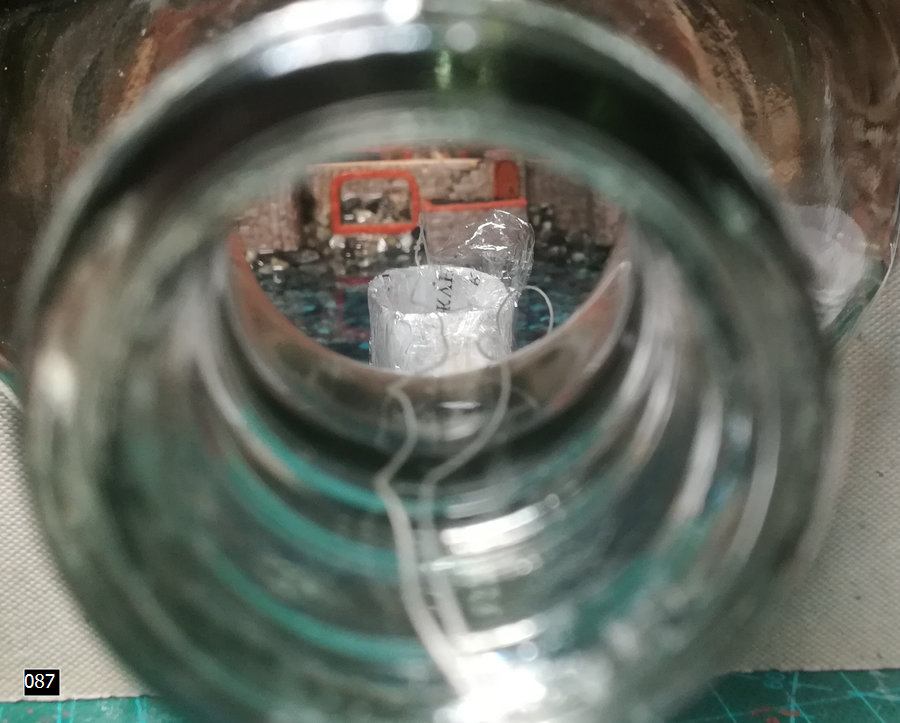
Strong threads coming out through the neck pass through the wooden bottom of the caisson and are there so that I can later pull it out — having first loosened it somehow.
And then I installed the first building in its place. First I placed it on the surface of the city base, then stood it upright and test-fitted it in its place, checking how it sat. Then I moved it aside, applied a little glue to the base — and put the building back in place.
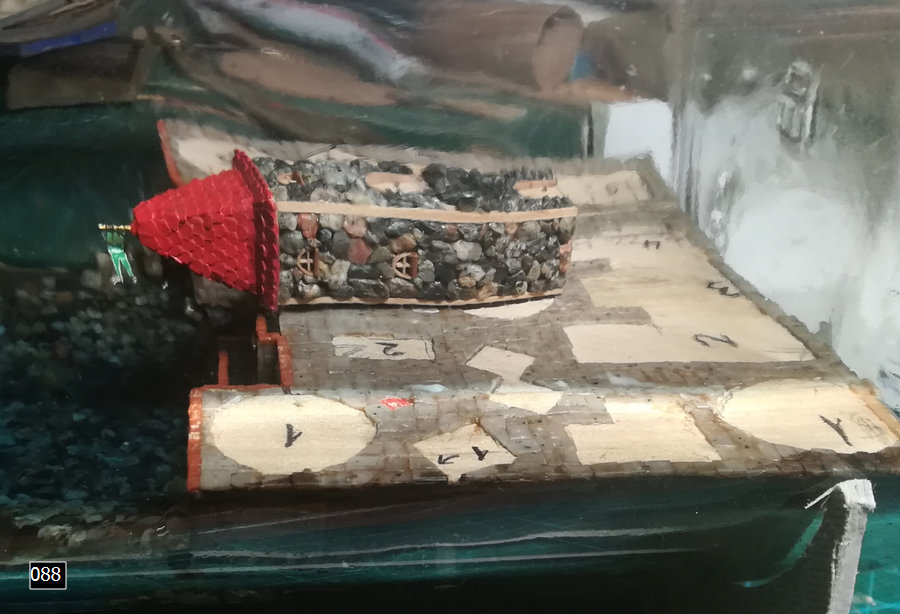
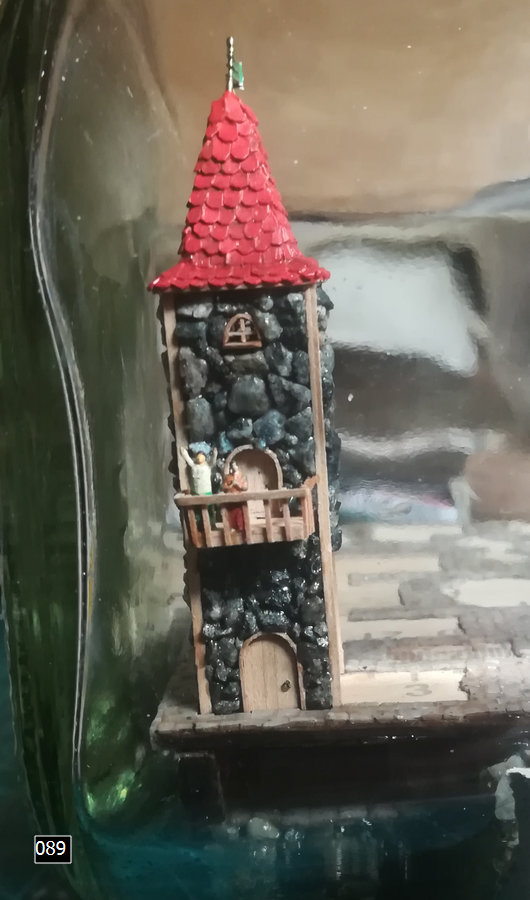
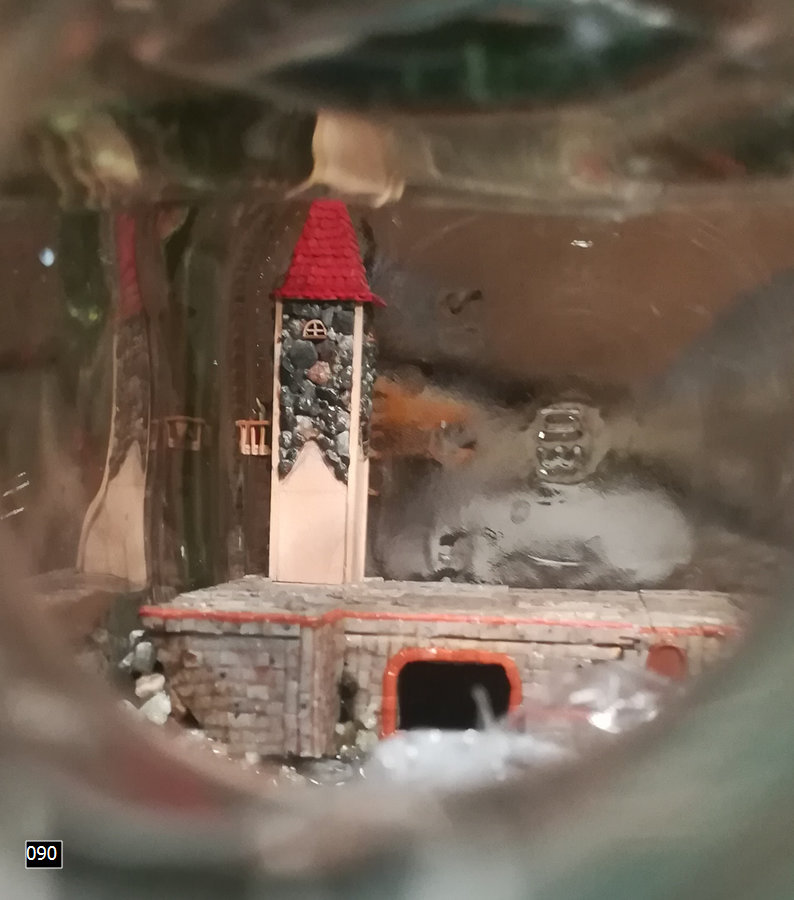
After that it was routine work — I simply kept following the plan I had drawn up earlier. I installed the buildings according to that plan, not forgetting to place more and more Lilliputians between the buildings.
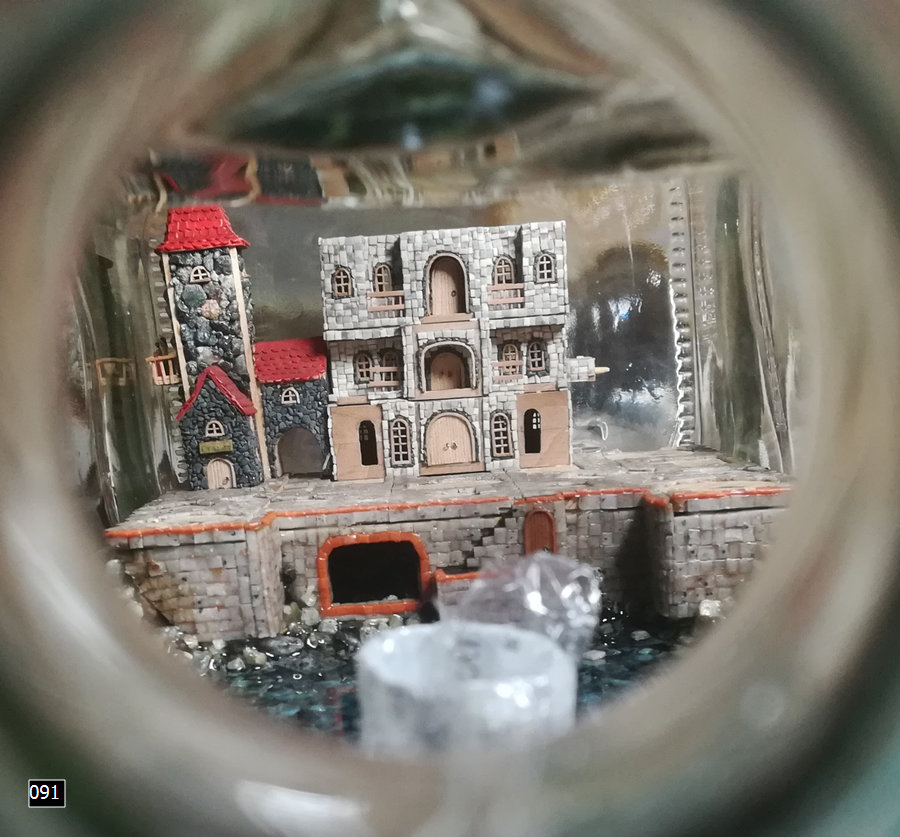
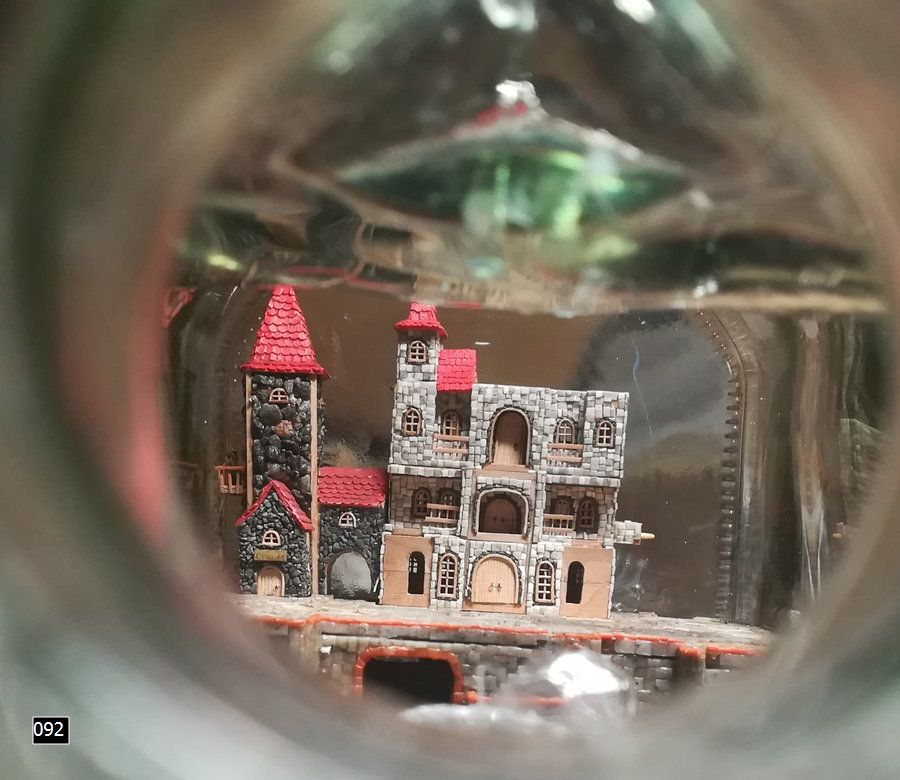
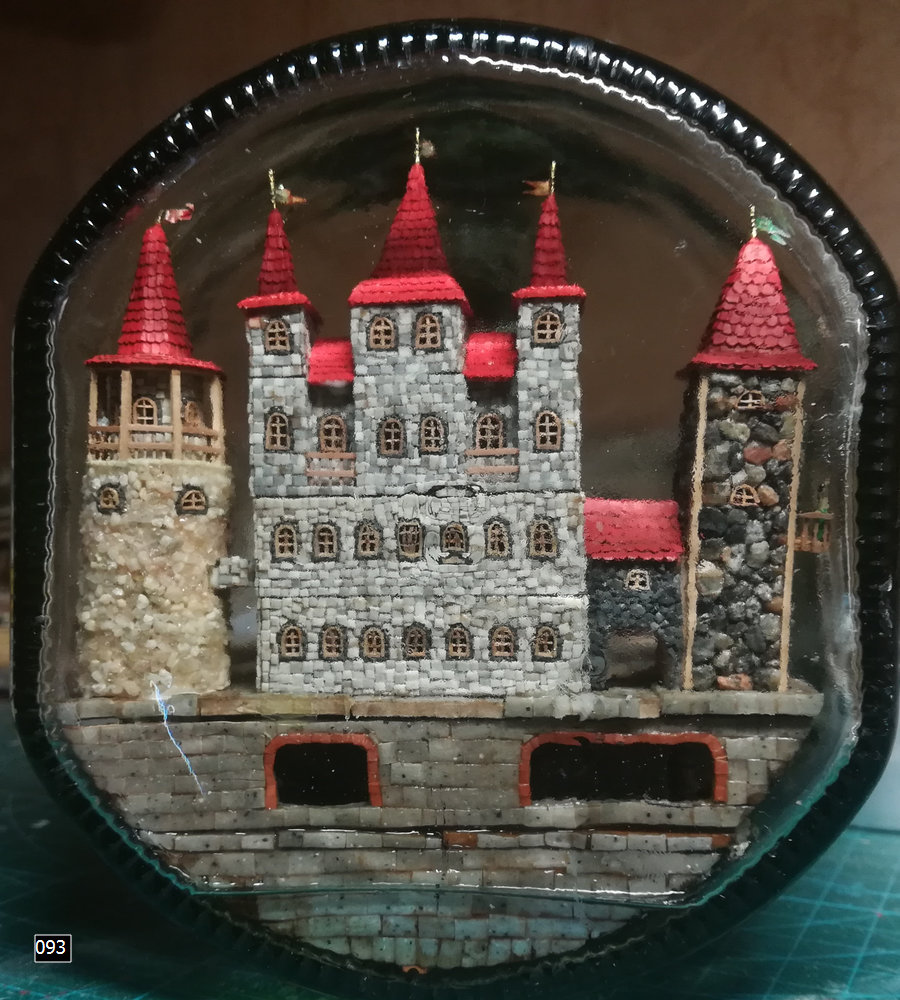
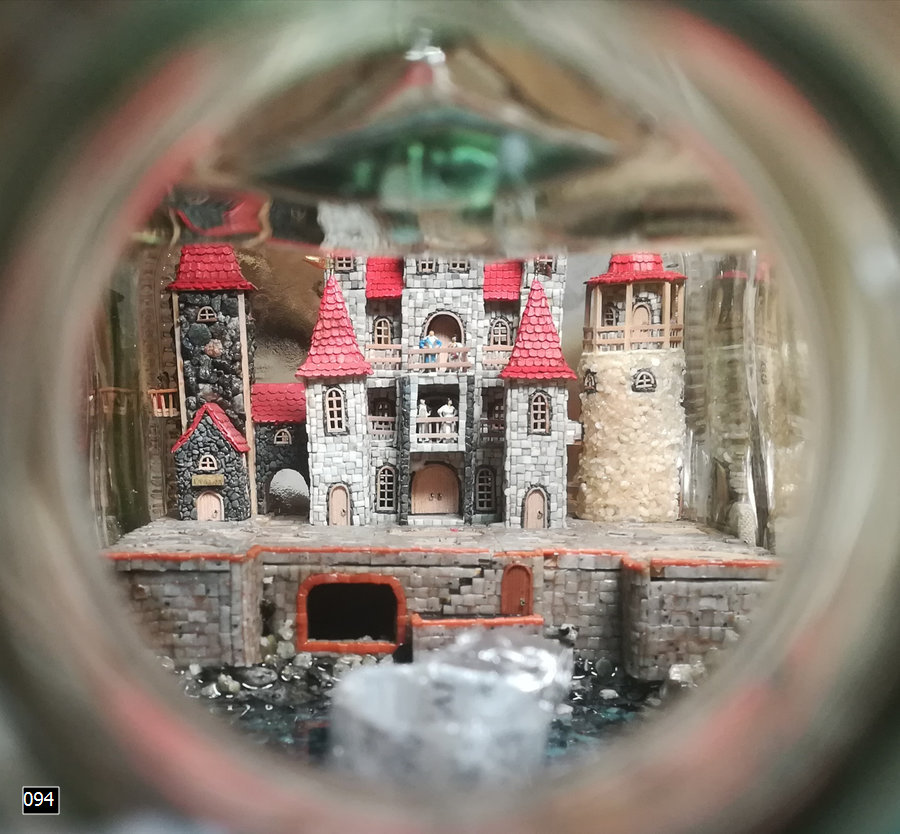
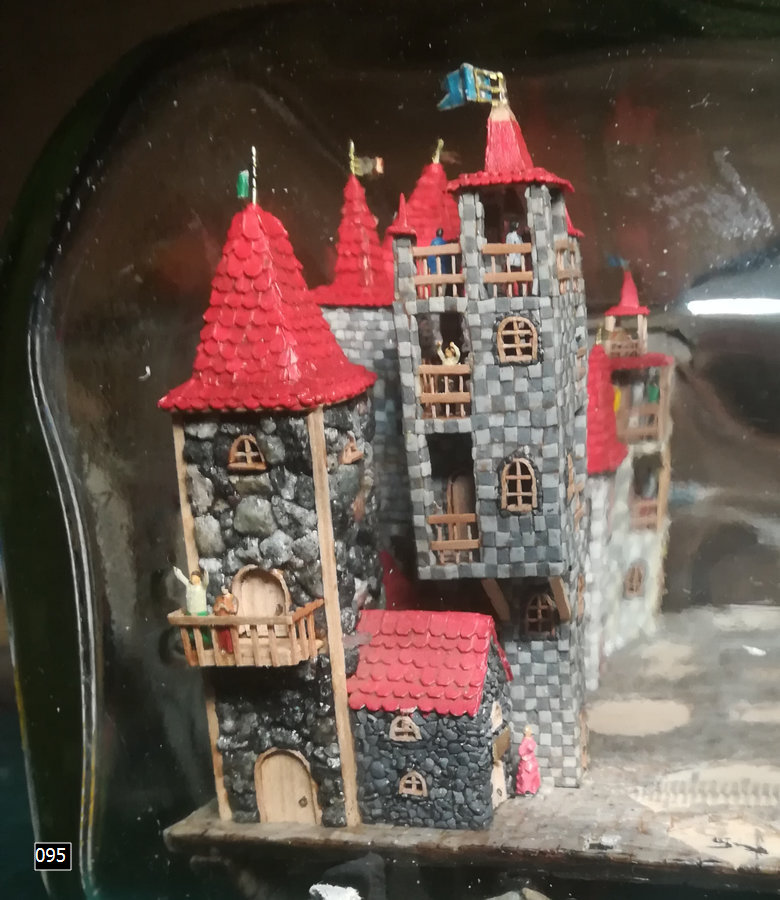
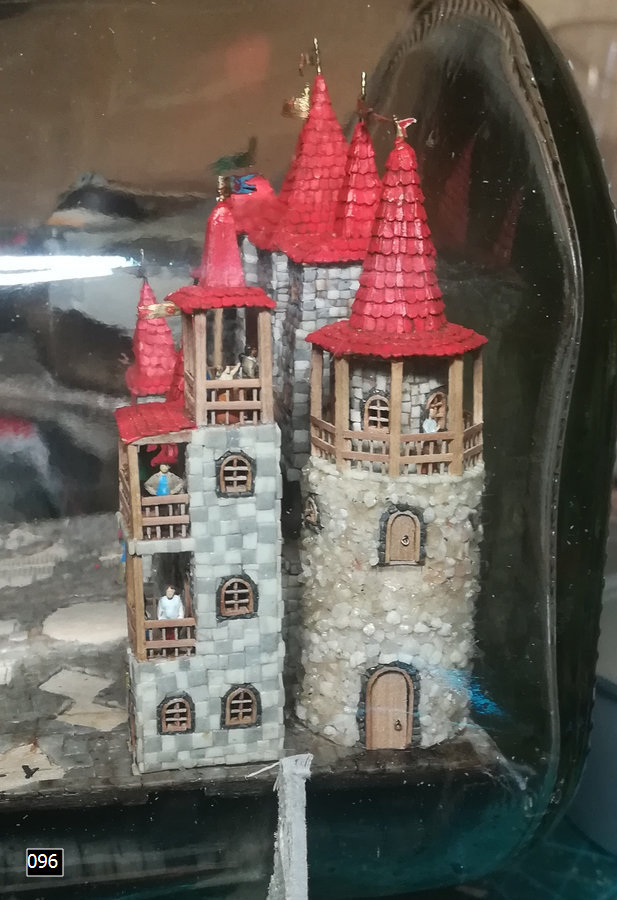
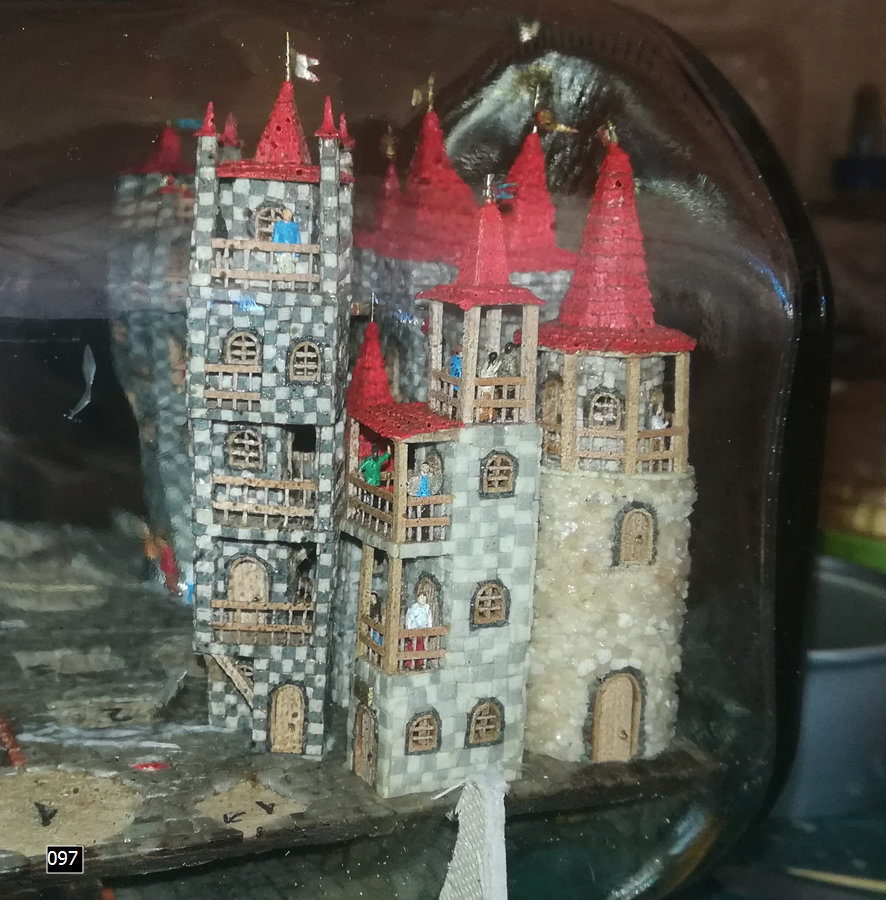
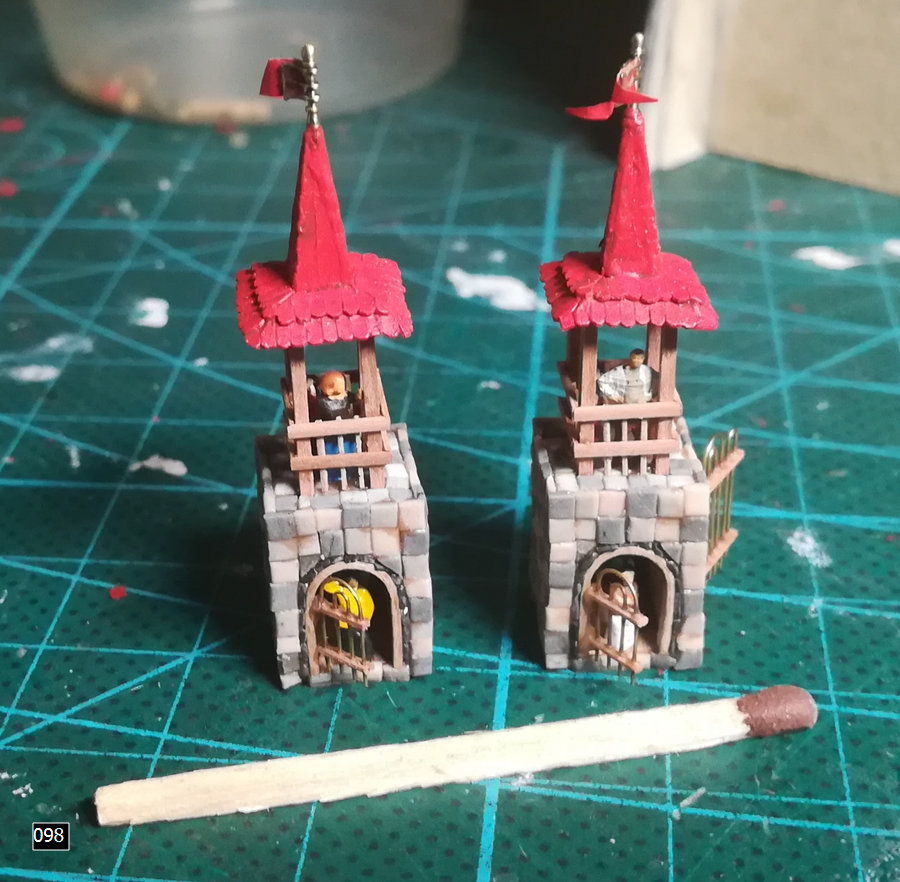
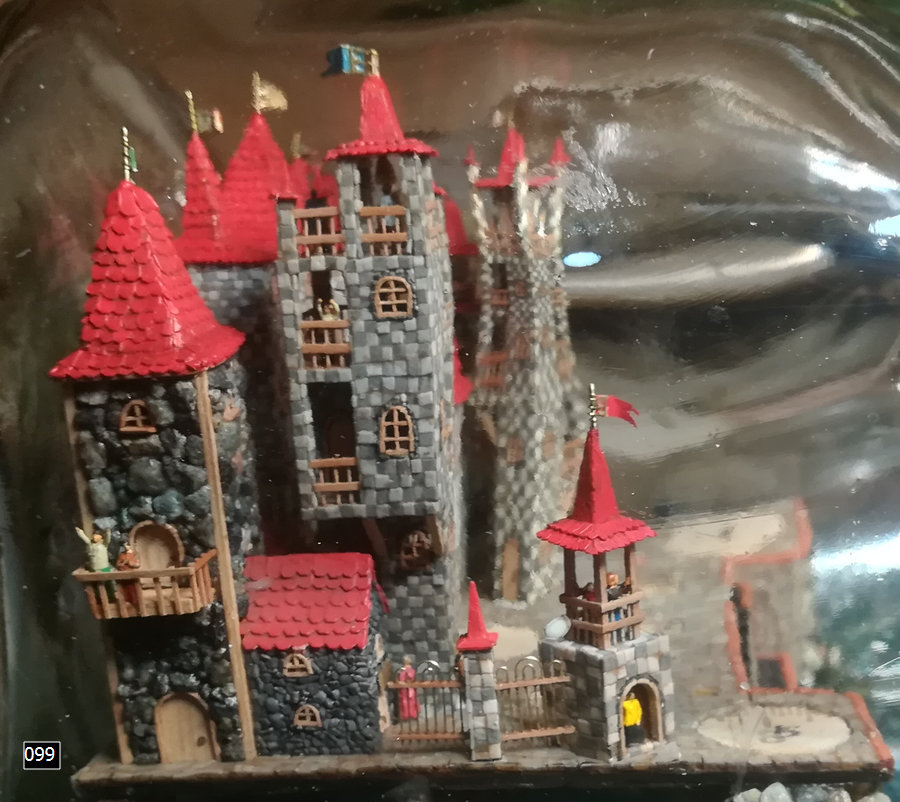
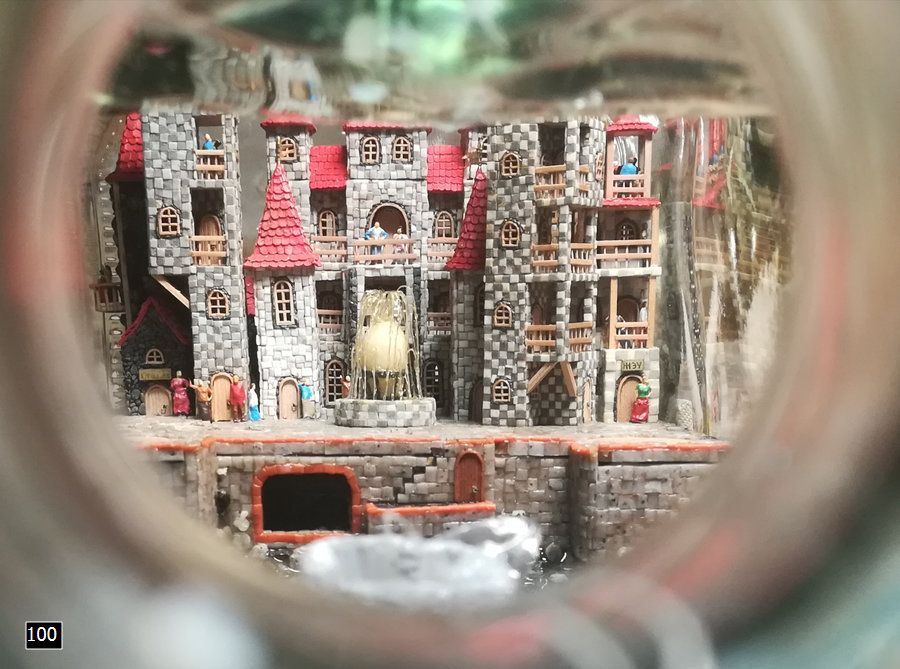
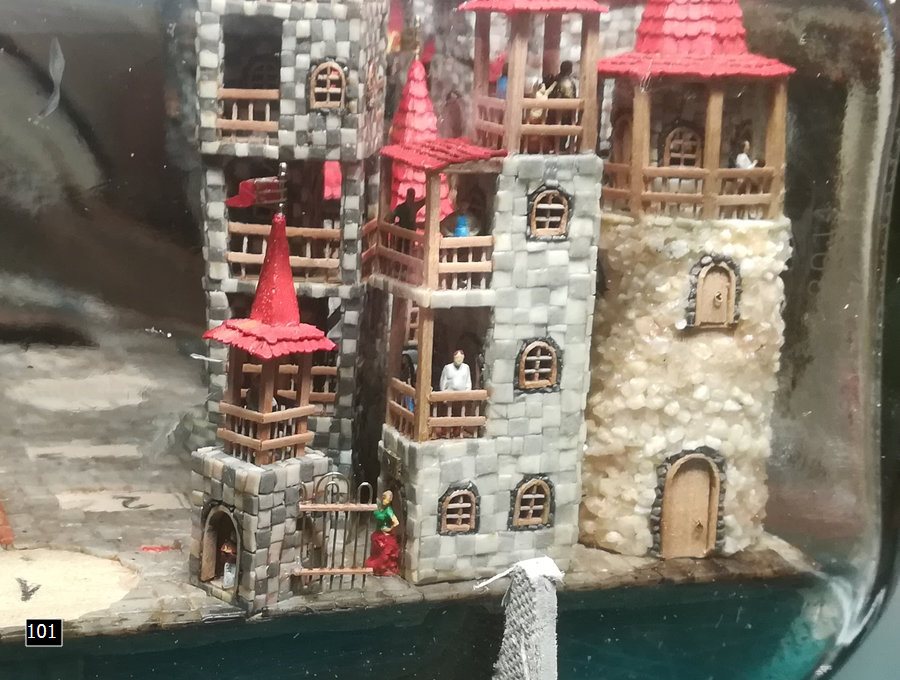

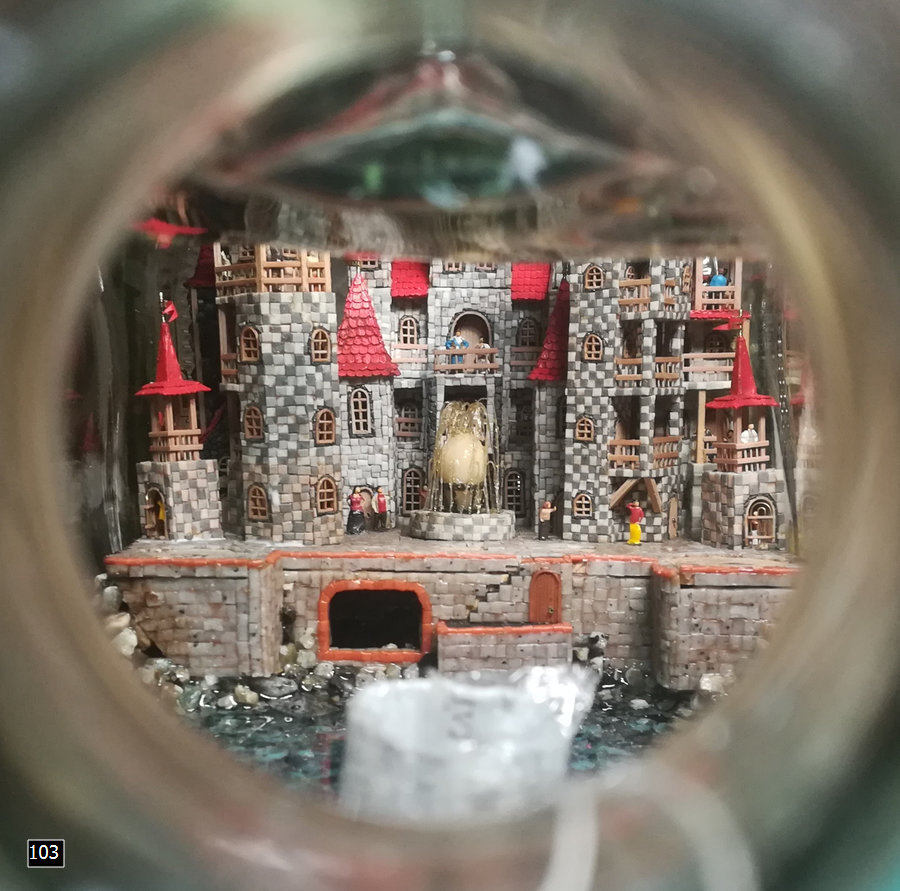
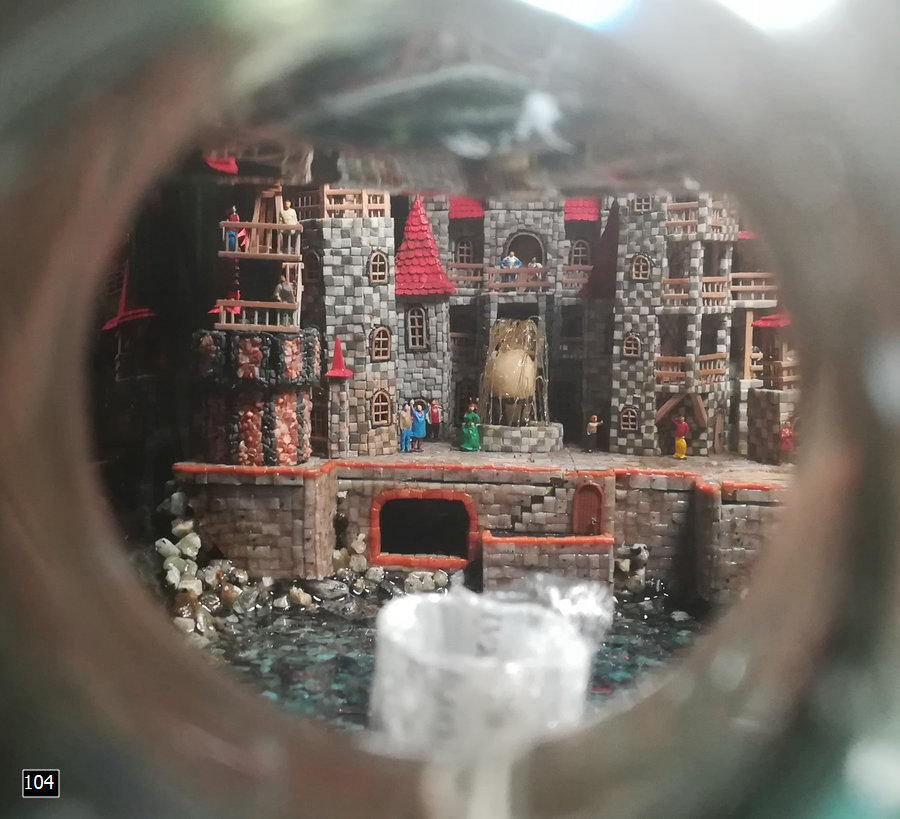
From the photos you can see how, with each building installed, the free space in front of the "sea" shrank [photos 105-107]. The city seemed to creep towards the neck of the bottle.
And at some point the city had filled all the space allotted to it.
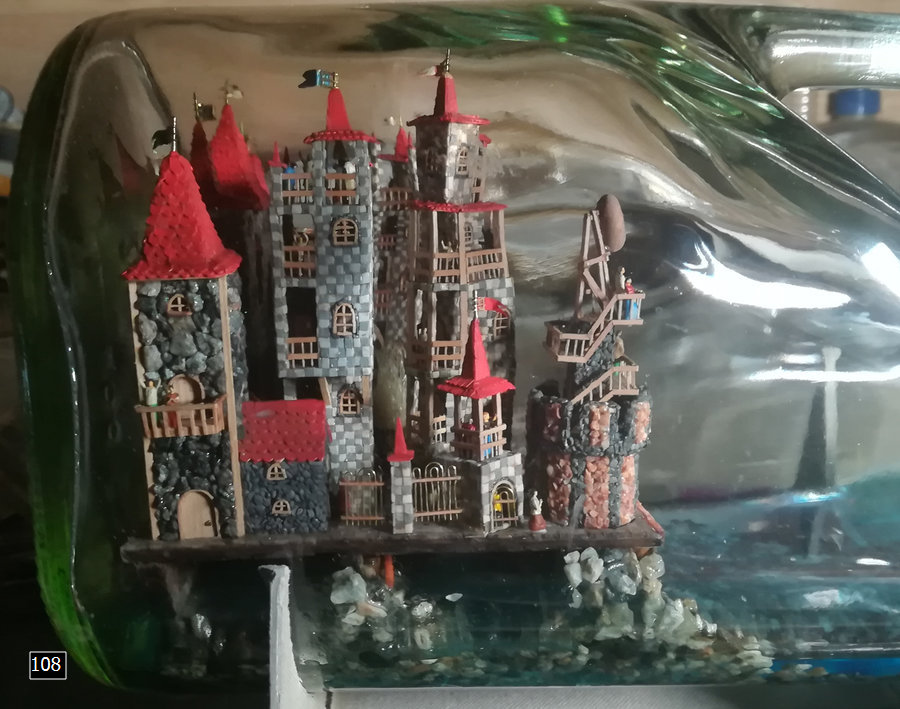
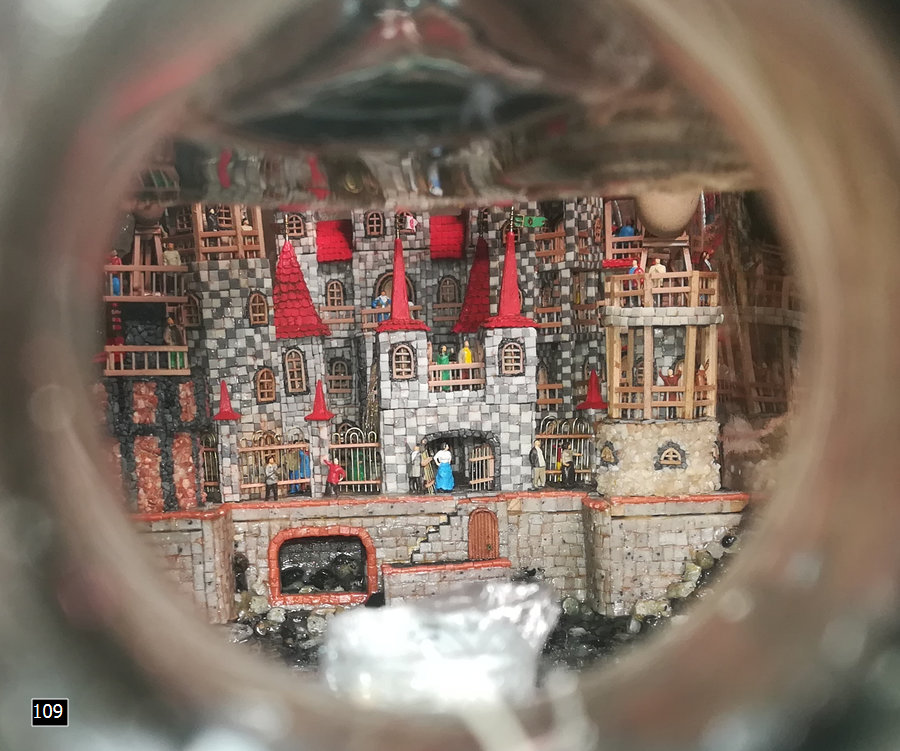
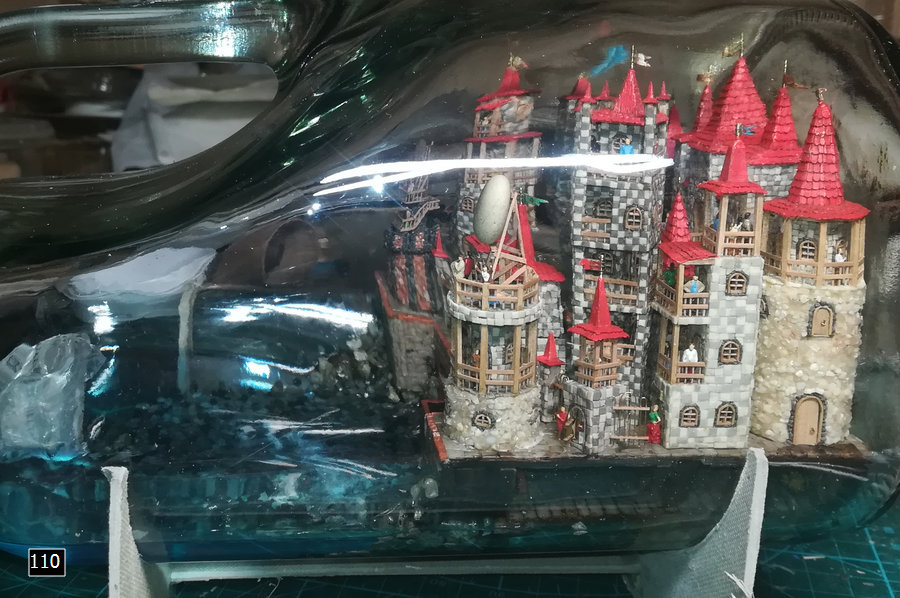
An interesting moment: a couple of times I couldn't get a building into its place because a spire was pressed against the glass. I had to shave it down by a couple of tenths of a millimetre — and then the building went in with a creak 🙂.
The next stage — installing the fleet…
I determined the position of each ship and marked on the plan the locations for the underwater parts of all the ships. Now I could refer to that plan during the practical work inside the bottle.
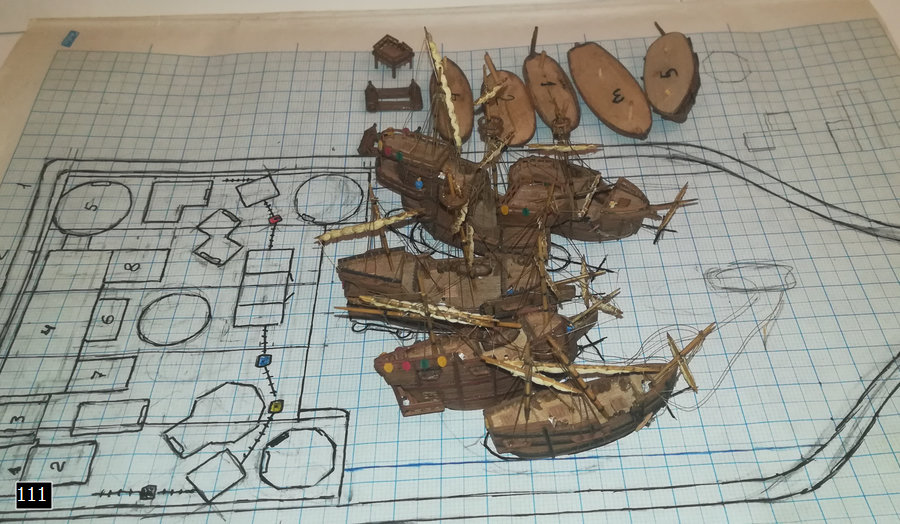
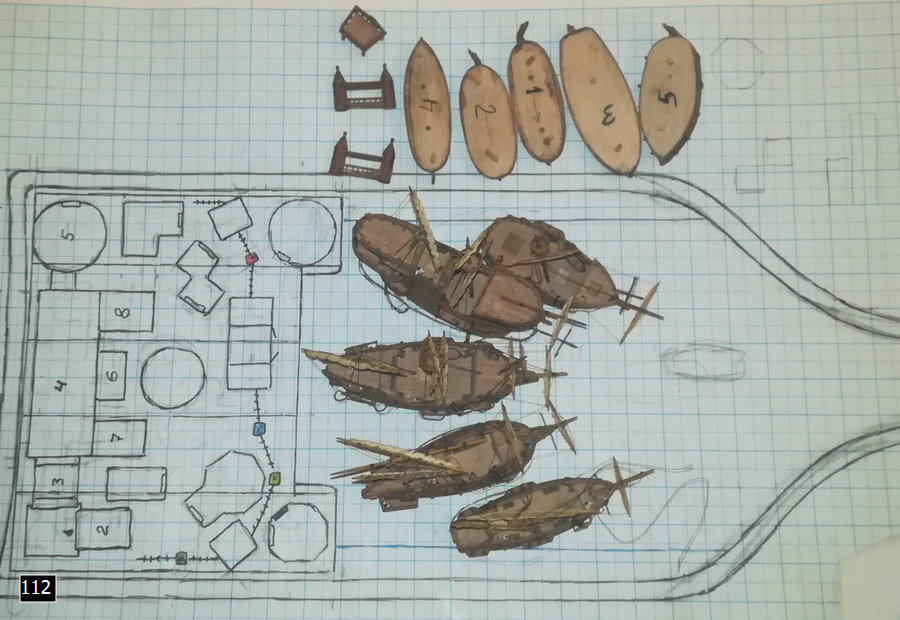
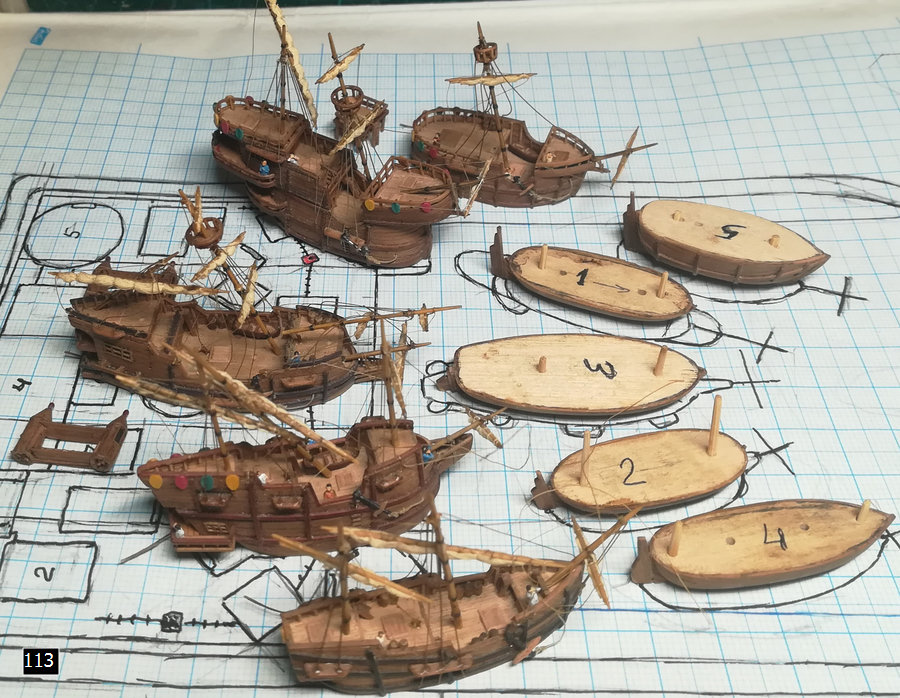
First I glued the underwater parts of the ships into their places with small drops of clear glue, according to the plan — and poured another layer of "sea."
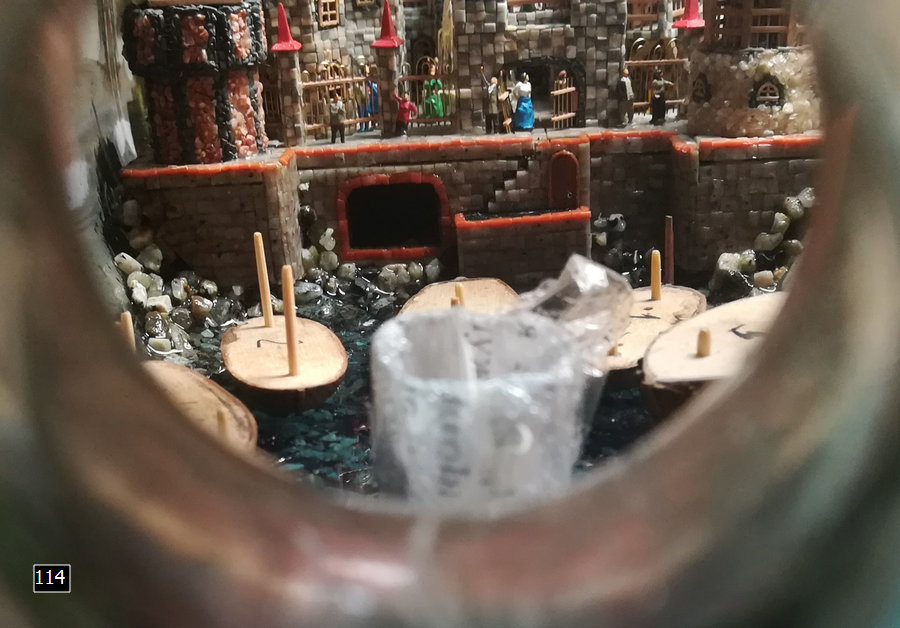

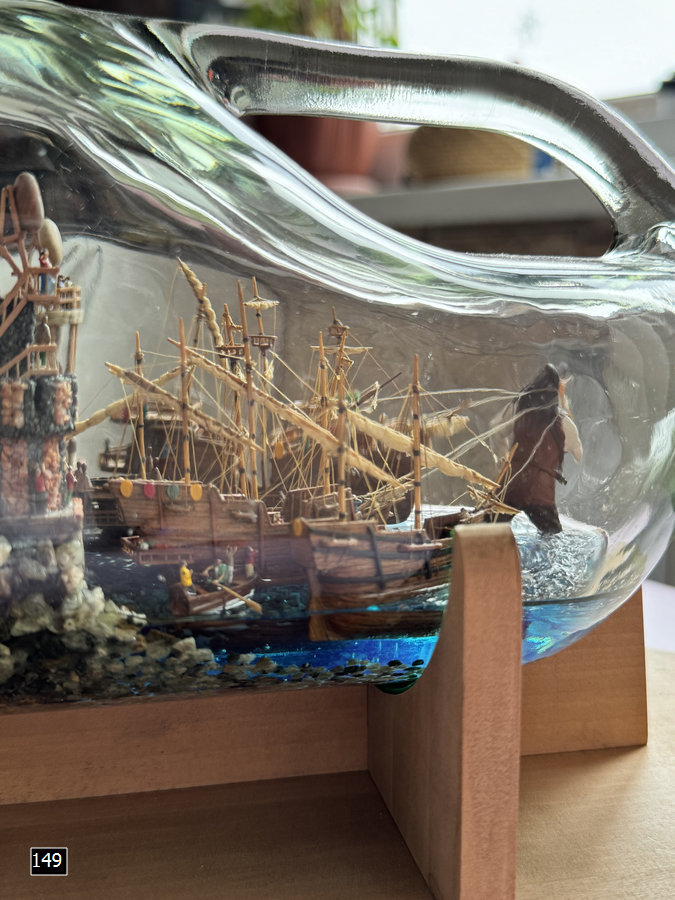
Next — installing the first ship. It was first because that was the only way to install those stern galleries during assembly inside the bottle — some free space was needed on both sides of the hull. Then I installed the second and third ships… And now, at last, the two last ships are installed — the one that looks like the Santa María and the one that looks like the nao Mataró.
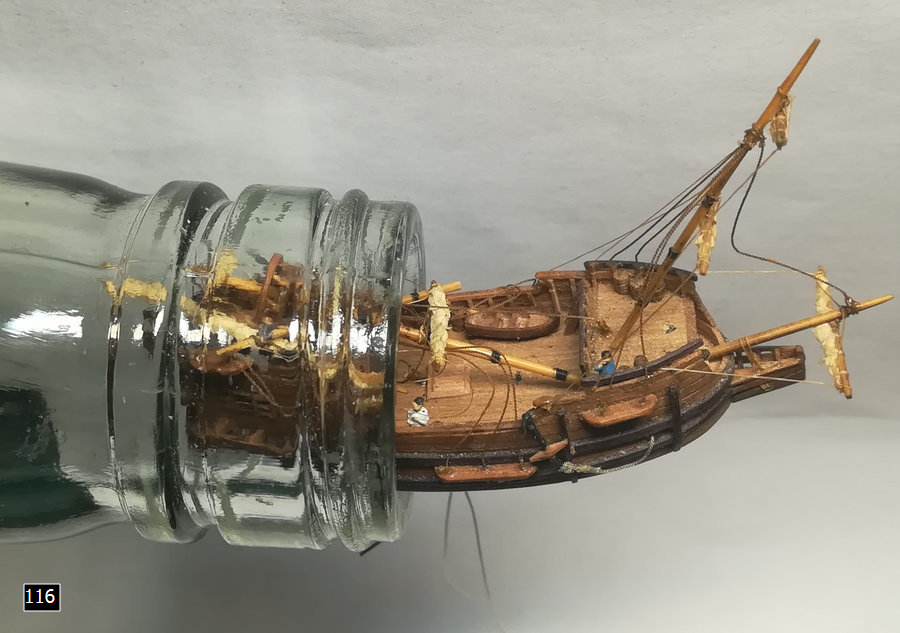
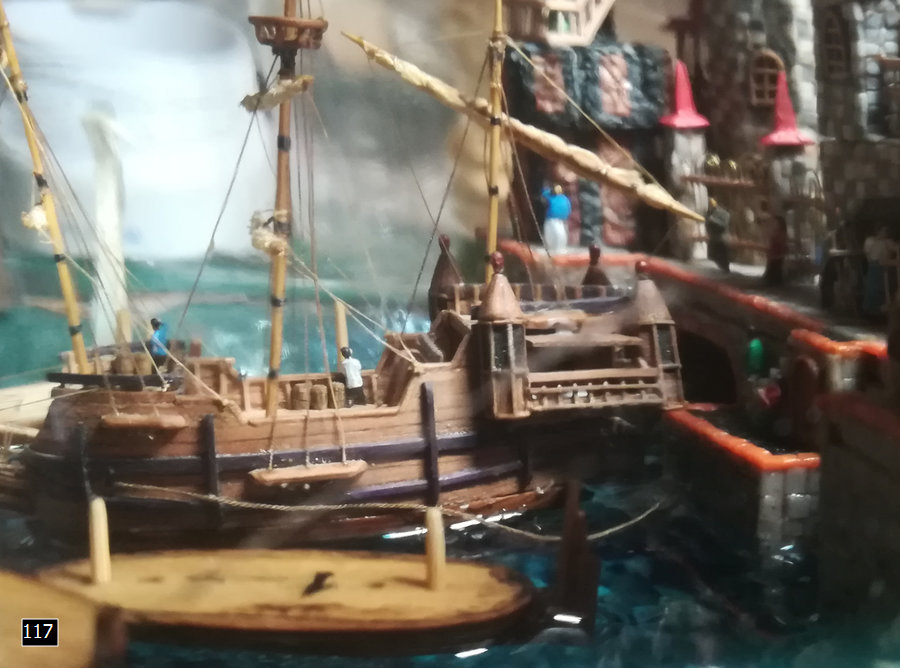
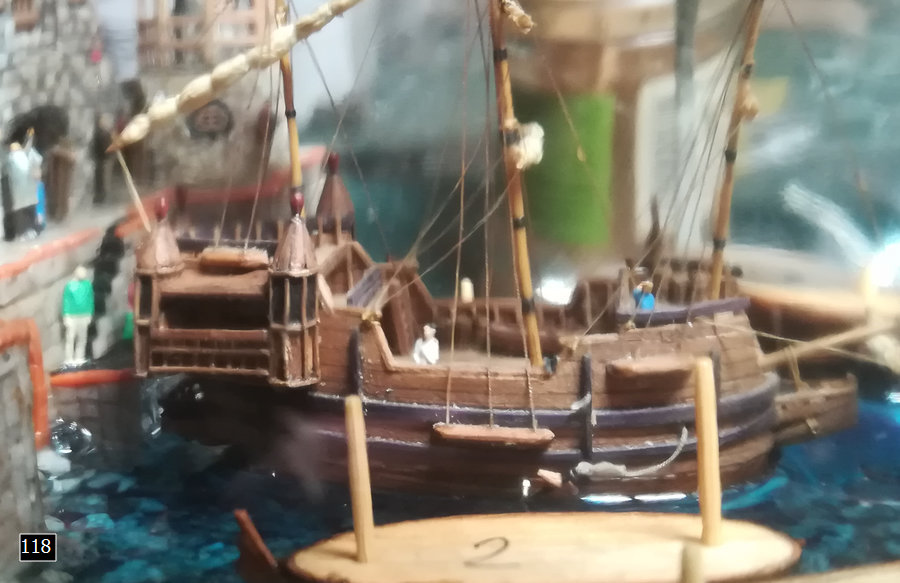
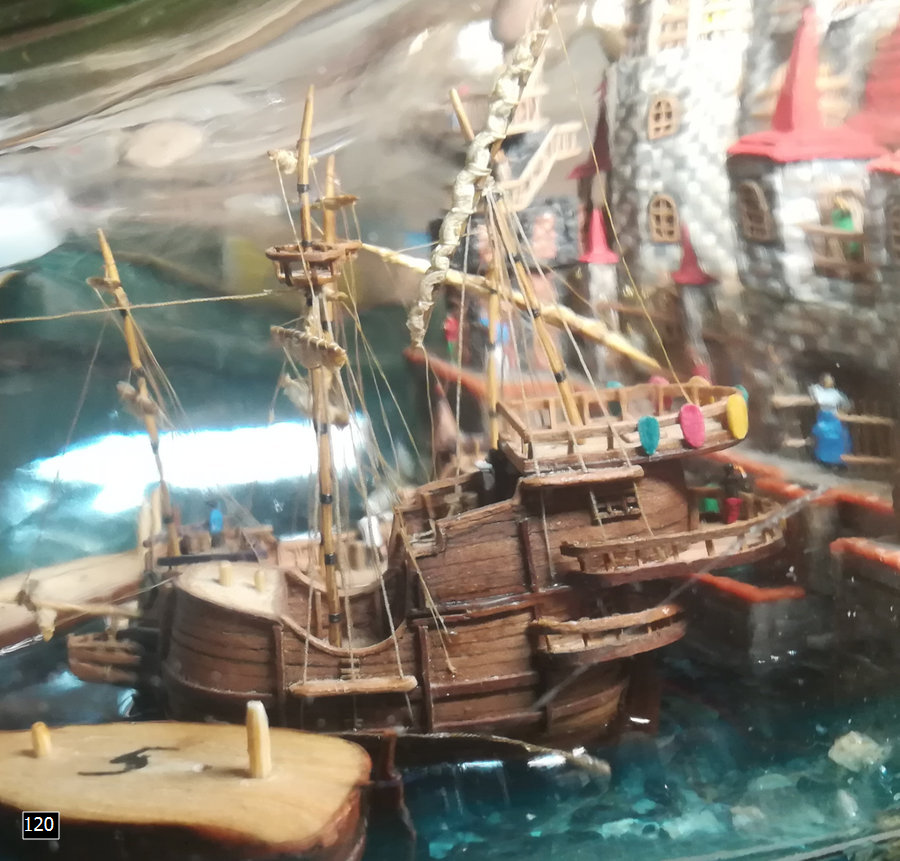
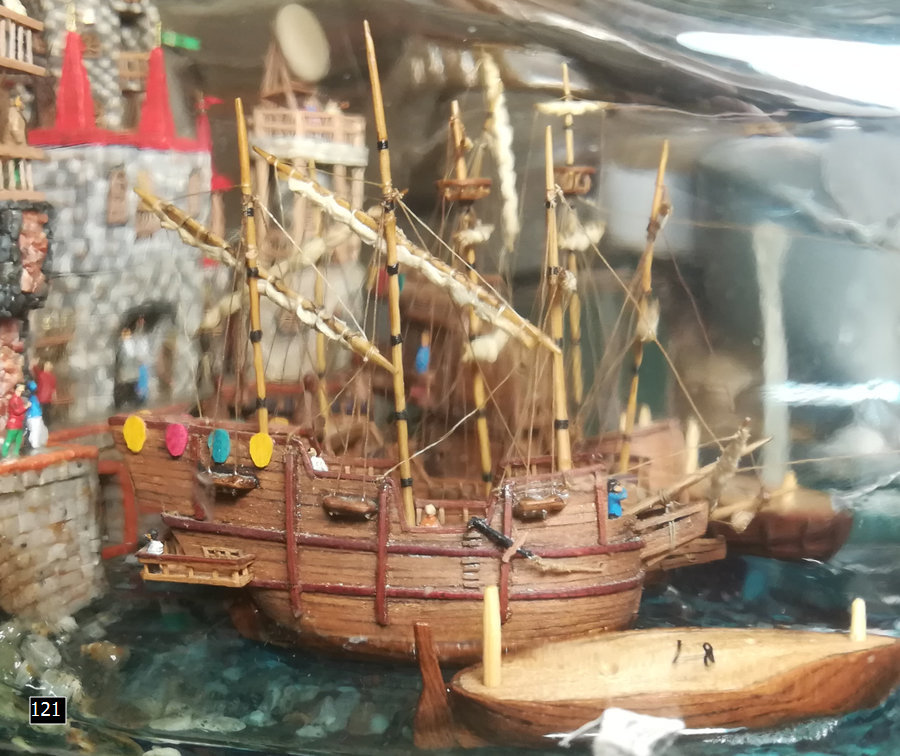
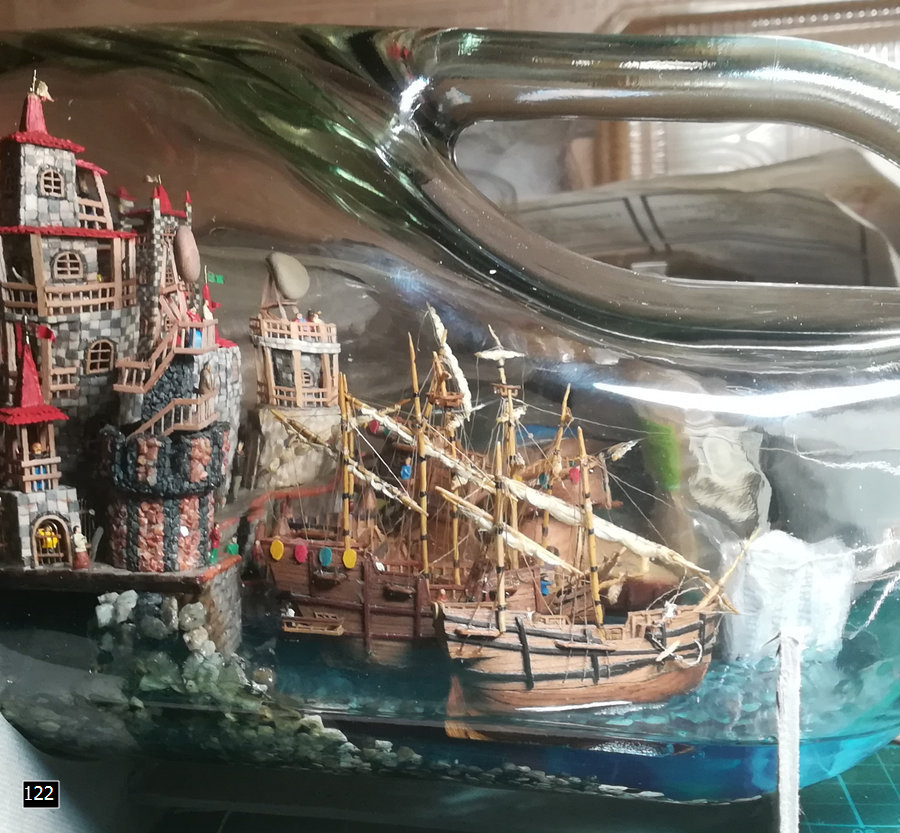
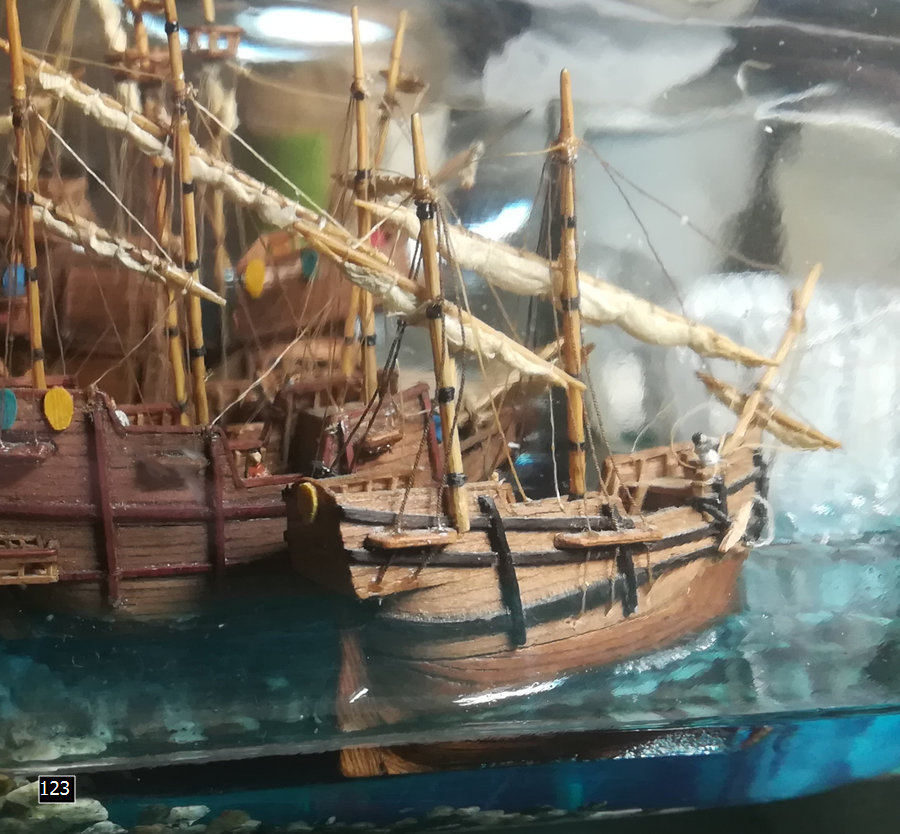
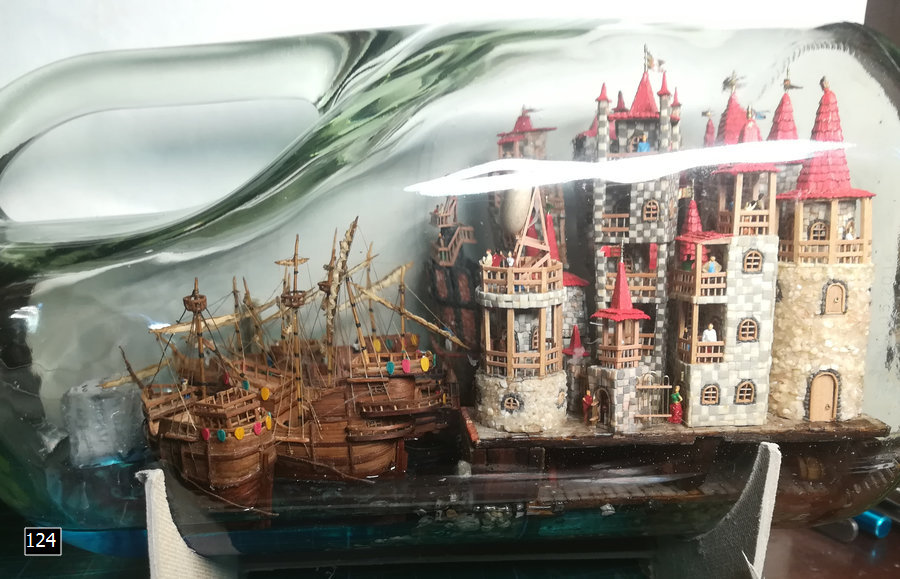
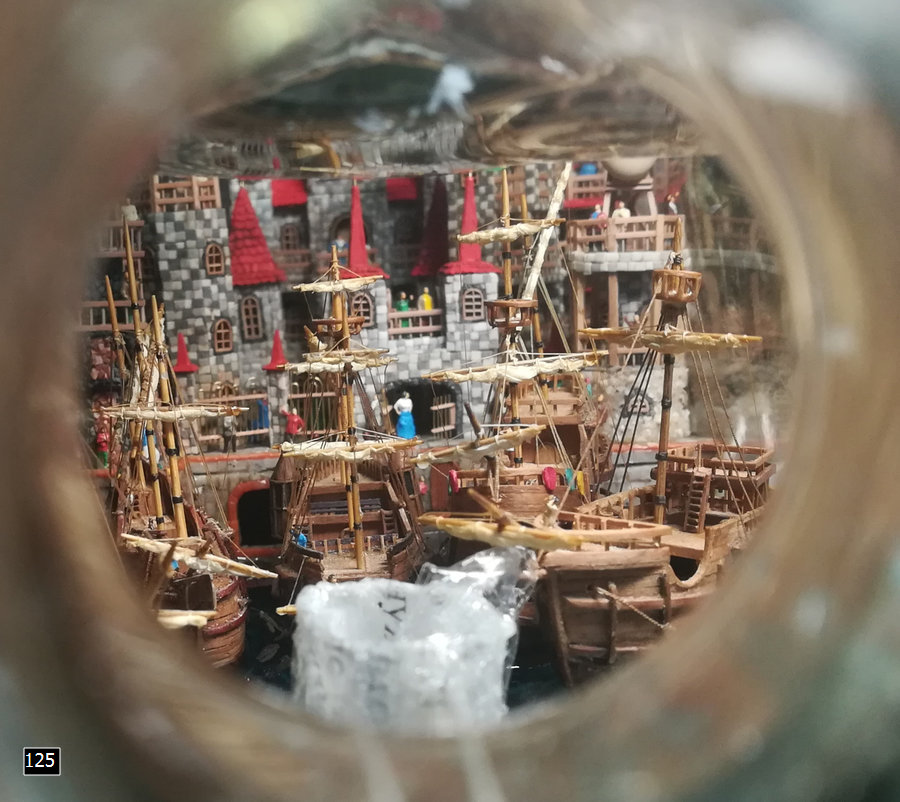
The work on the fleet was almost finished, and I added two ship's boats with Lilliputians trying to stop the ships being towed away by Gulliver.
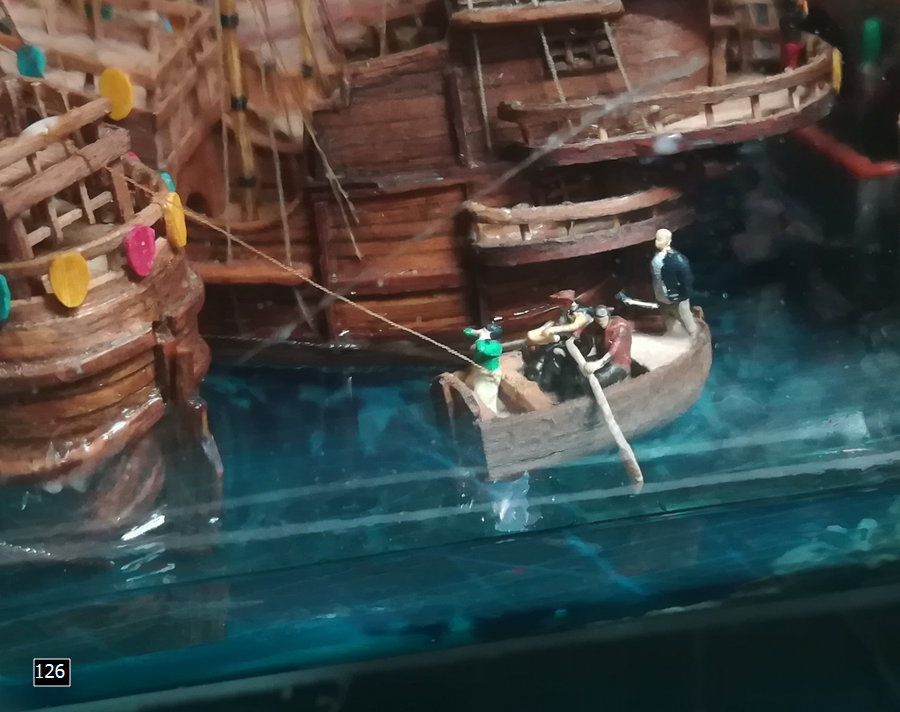
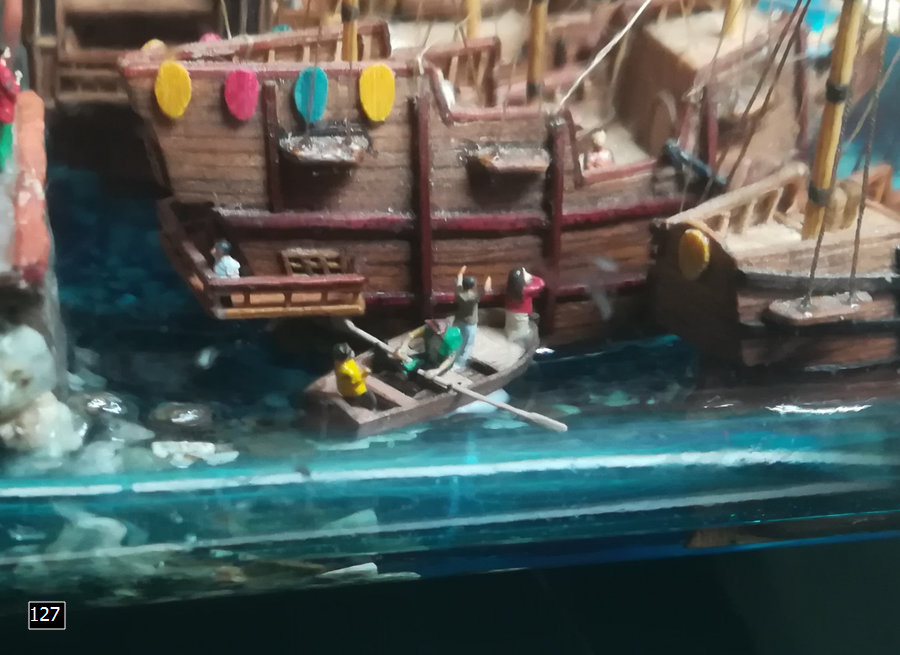
In a couple of the photos you can also see the cut anchor cables, trailing through the water behind the ships — the very ones that, in Swift's text, Gulliver cut before towing the fleet away.
Then I loosened the caisson in the thickness of the "sea" and gradually pulled it out of the bottle. A kind of pit formed in the "sea", into which I tried to insert Gulliver. After that I only had to pour one more layer of "sea" to fill that pit and fix Gulliver in place…
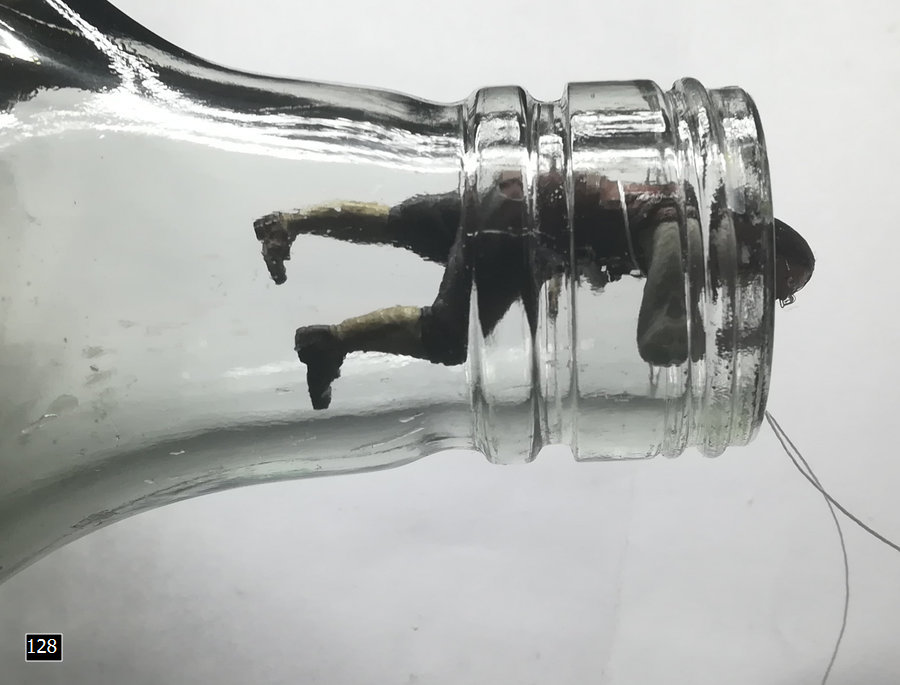
By this time I had already received the stand for the bottle and the nameplates that I had ordered earlier. All that remained was to assemble the individual parts into a single structure — and here it is, finished.
I also decided to add an ornament to the stopper, made of cords woven in a "Turk's head" pattern.
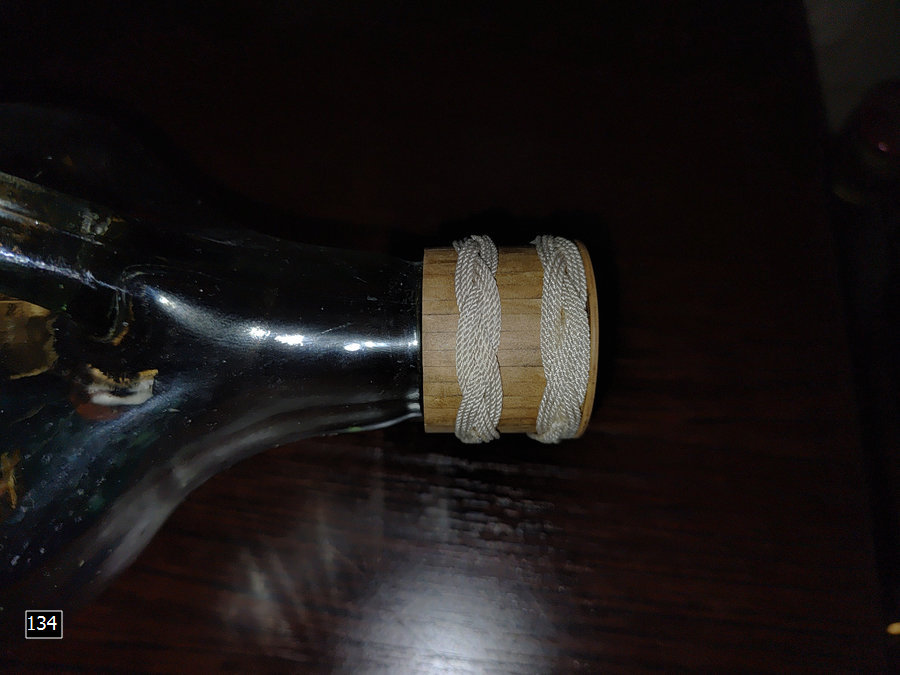
I worked on the stand and the stopper in between the main work, while the next portion of "sea" was setting.
Then I hooked each ship with hooks attached to cords (again, following Swift) — and ran those cords through Gulliver's shoulder and his hands. I lowered the free ends of these cords onto the surface of the water behind Gulliver and, to make them sink into the water, poured another thin layer of "sea."
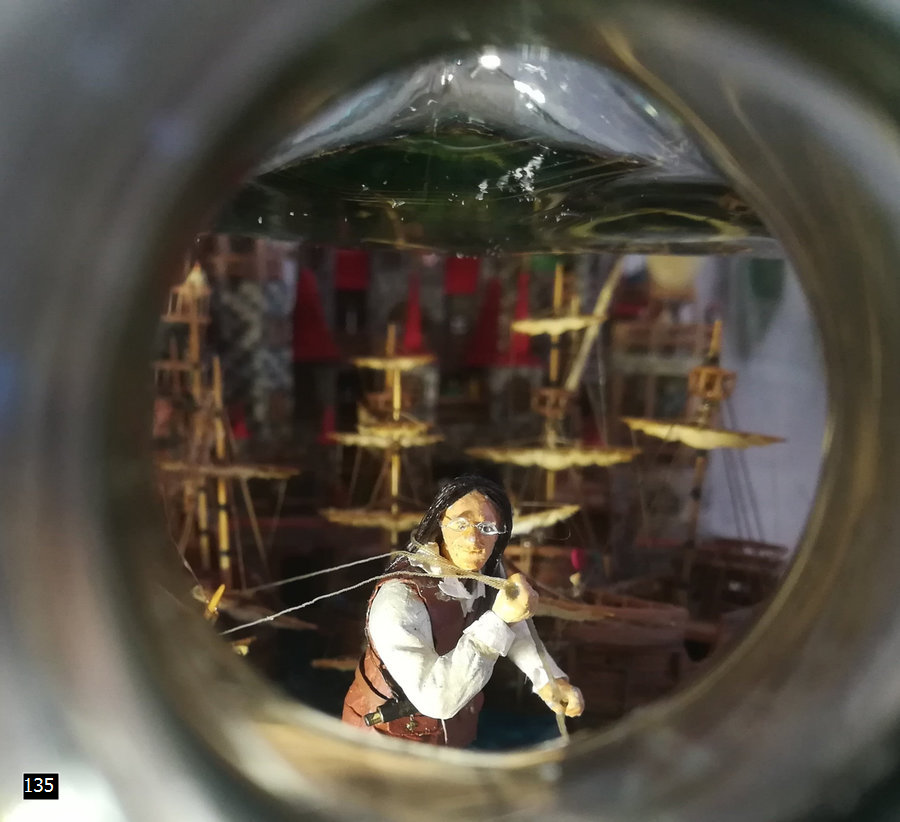
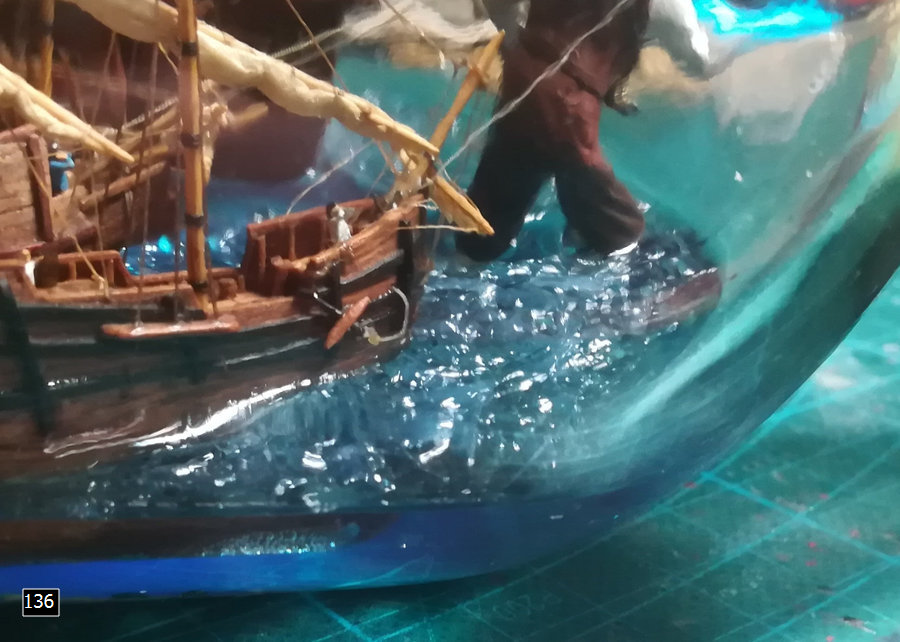
Now all that remained was to depict something like ripples or waves on the almost "mirror" surface of the "sea"… Although — what is a ripple to Gulliver is practically a wave to the Lilliputians 🙂.
I usually use a clear acrylic gel for this. I apply it to the surface of the silicone sea with a long stick, to the end of which I attach a piece of wire that can be bent any way needed — so that the gel can be applied even in hard-to-reach places. The uncured gel is white and becomes clear once dry.
And at last the moment came when I simply closed the neck of the bottle with the stopper, placed the bottle on the stand — and…
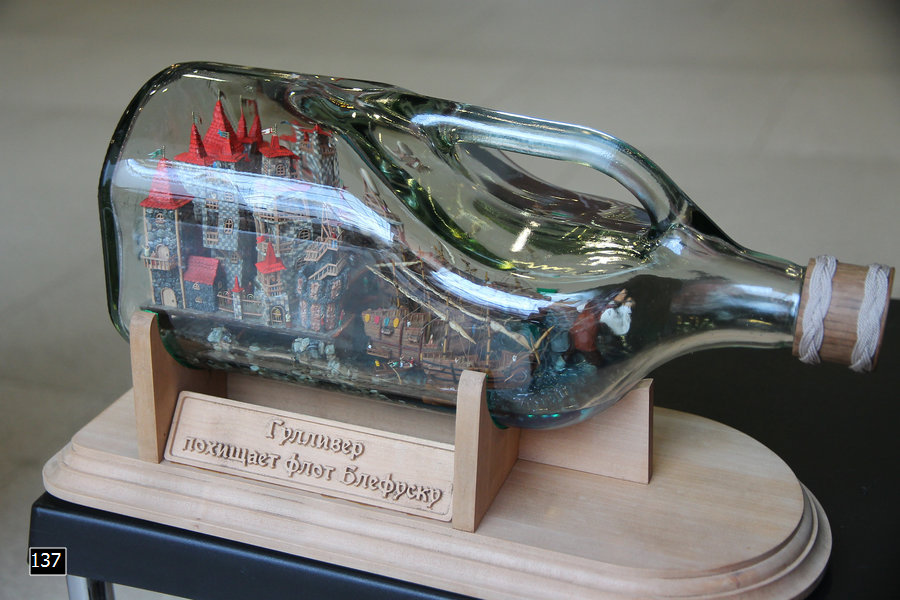
Of course, from that very first idea — without any particular details — which arose back in what is now the distant year 2019, to its final form, it had come a long way. And a thought flashed through my mind: if I had known then exactly what I would have to do to reach the finale — would I have decided to set out on that path?.. And I still have no answer to that question 🙂.
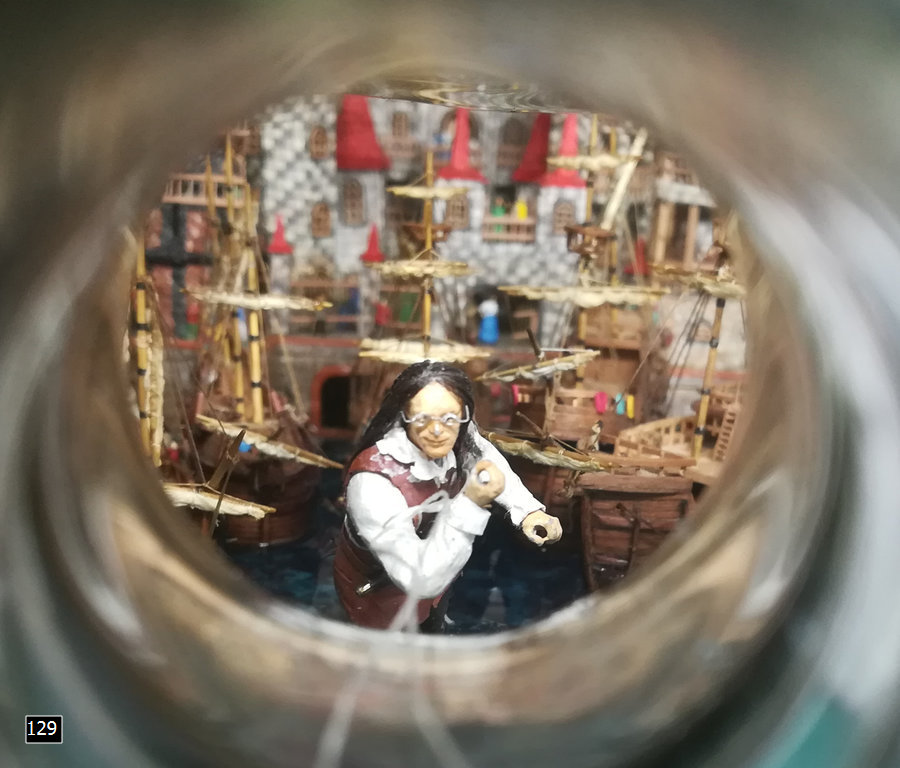
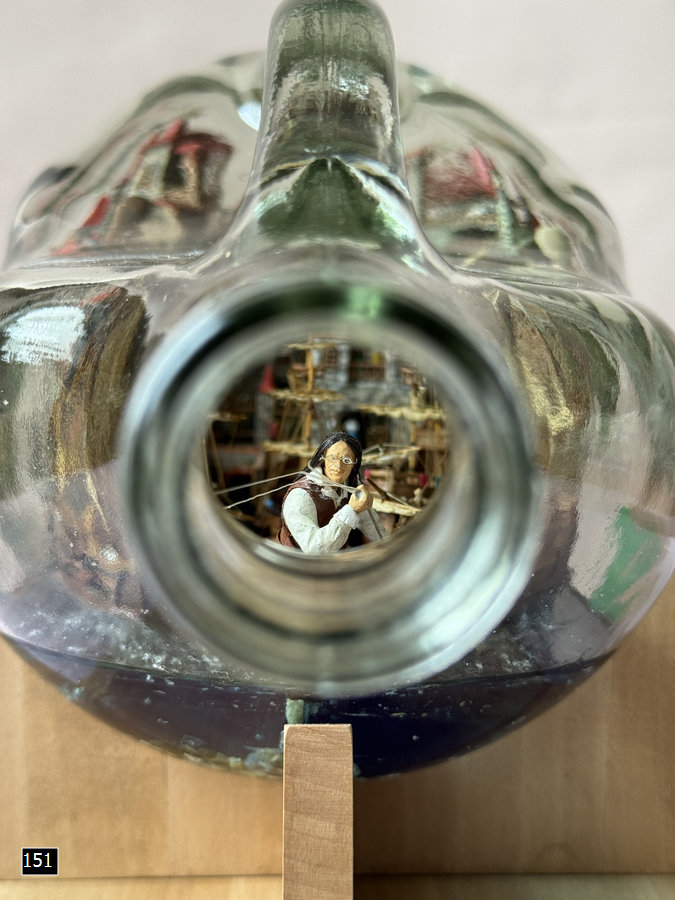
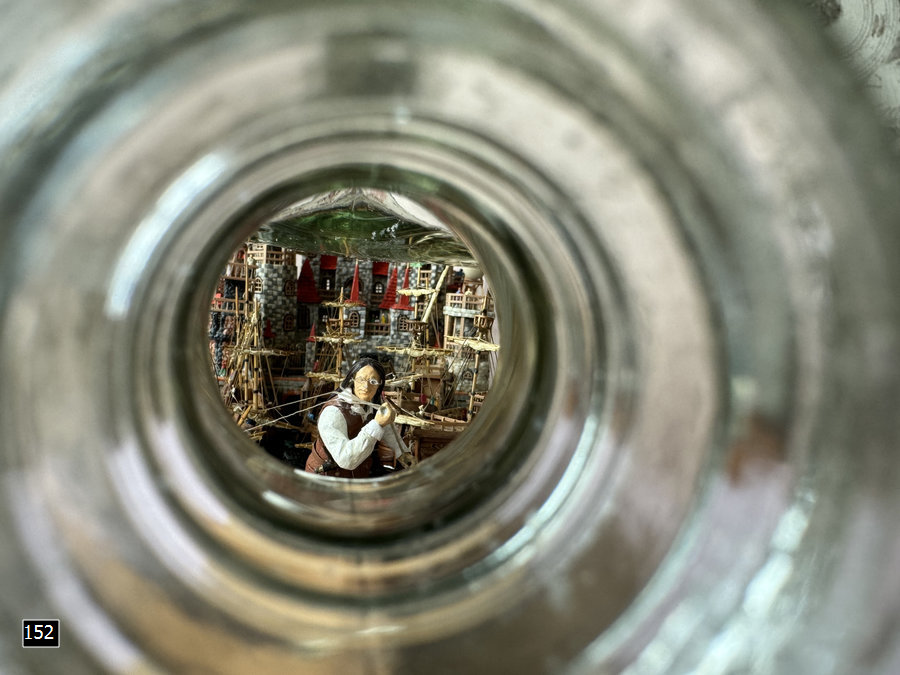
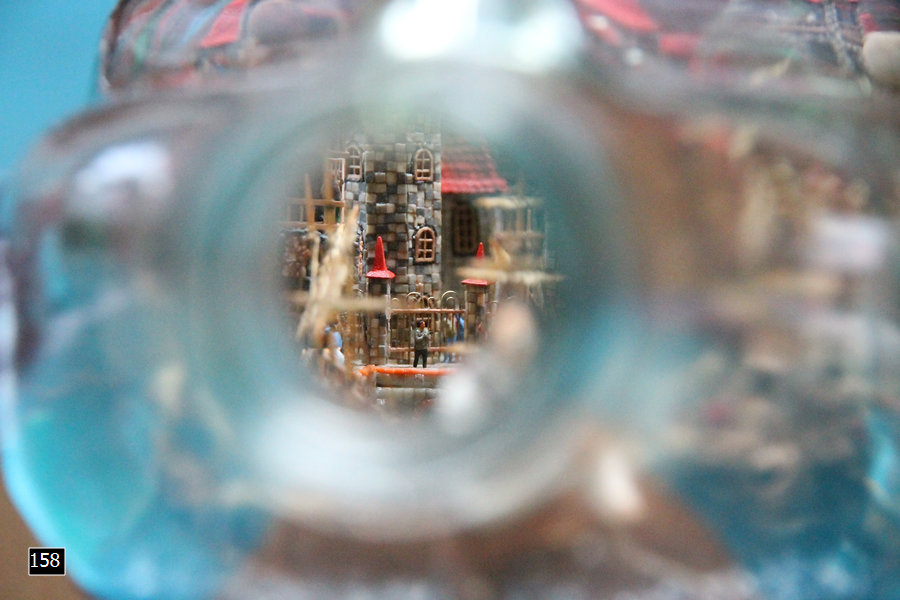
Another interesting point: I simply screwed the cap on, without gluing it. I myself have got used to often looking through the neck into the bottle — but people who saw the project for the first time and whom I let look through the neck were simply delighted!
And so the project was finished…
At the end of June 2024, Gulliver and I went to St Petersburg to take part in the Russian Championship and the Commander-in-Chief's Cup in ship modelling, section C, which traditionally take place in the Central Naval Museum.
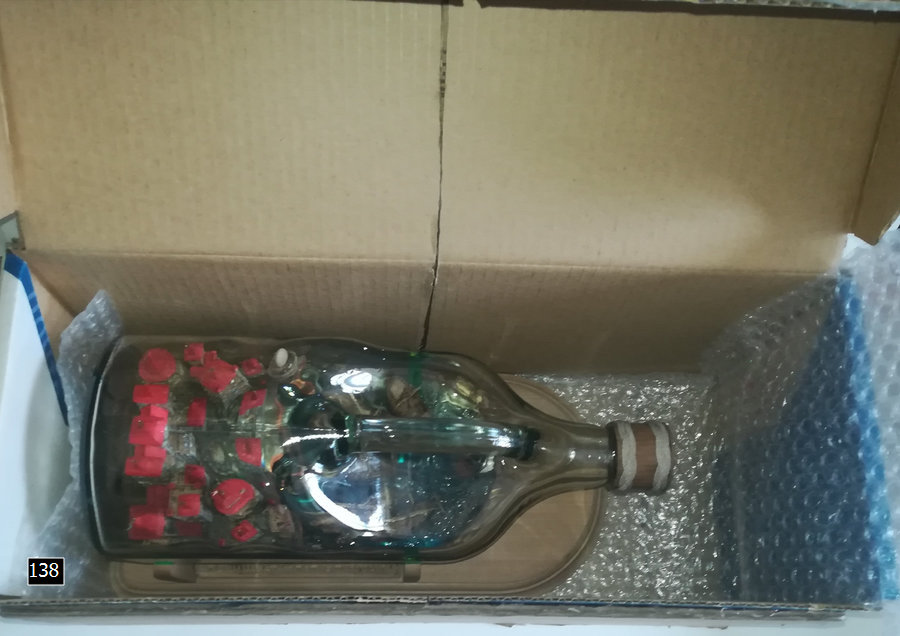
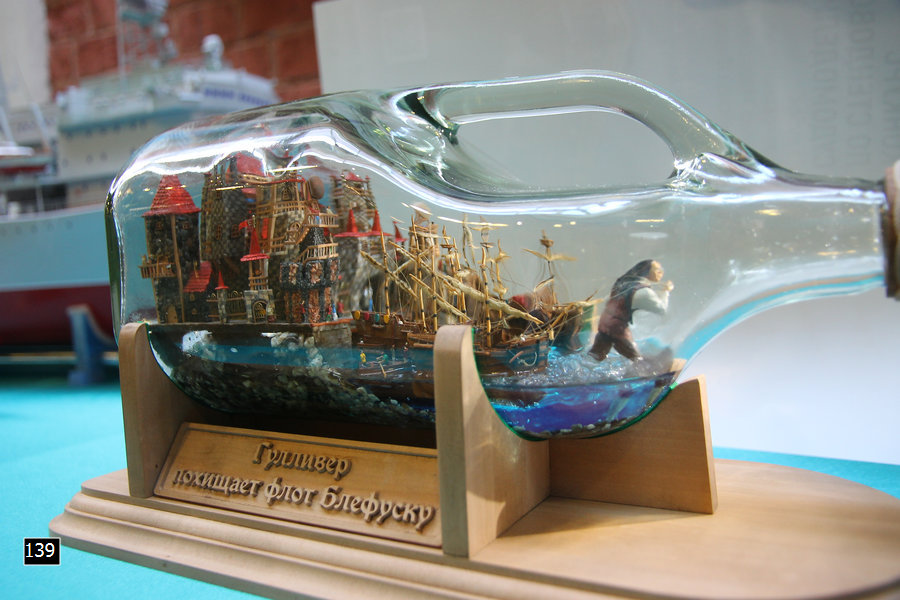
There, for the first time, Gulliver and the Lilliputians were seen by a large number of my fellow ship modellers from other classes of section C, as well as by ordinary museum visitors. There were many interesting conversations, questions, meetings — and, of course, participation in two competitions.
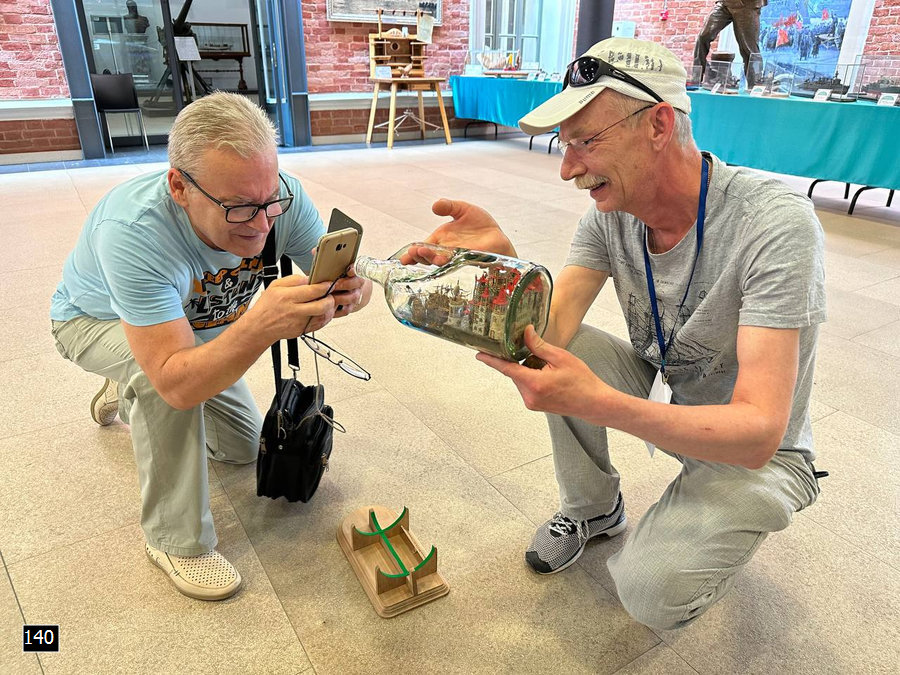
And it turned out to be very fortunate that I hadn't glued the cap on — thanks to which many people were able to look inside the bottle through the neck, and some stood there for a long time, examining this miniature world inside the bottle, and then said they had never seen anything like it…
And at such moments I recalled the immortal line: "There are more things in heaven and earth, Horatio, than are dreamt of in your philosophy" 🙂.
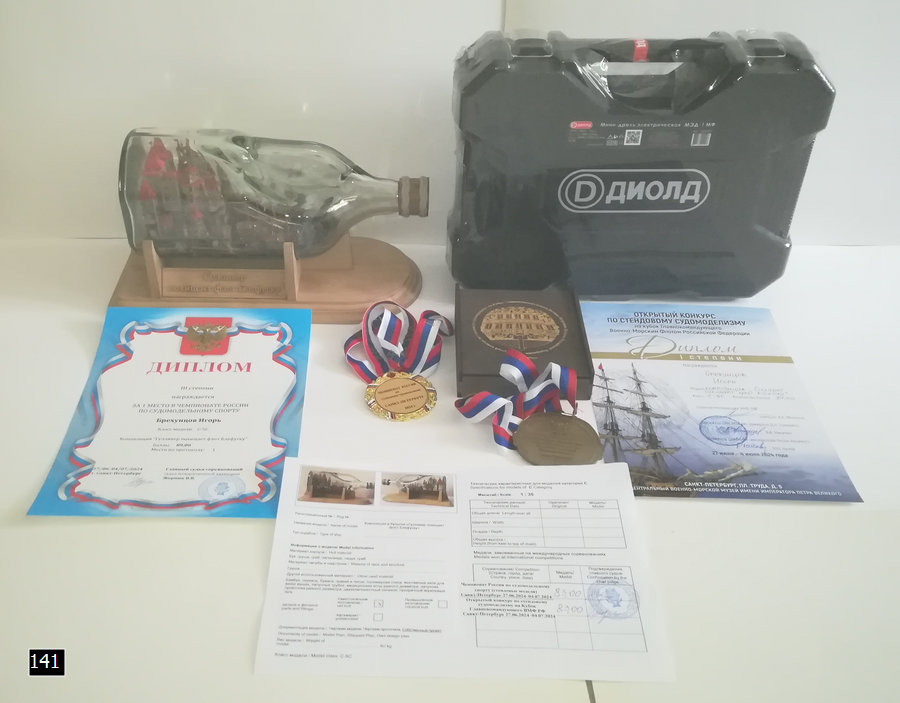
Gulliver came home with a pair of "gold" medals, two diplomas, and a prize.
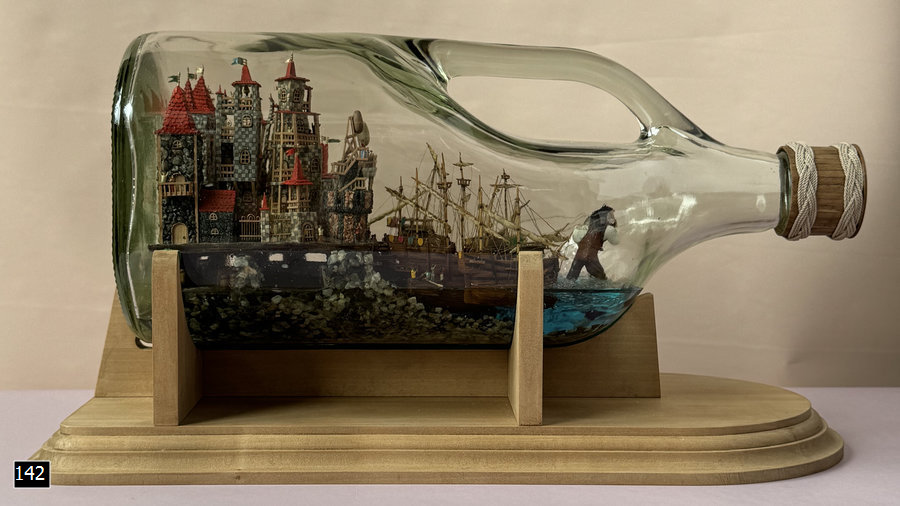
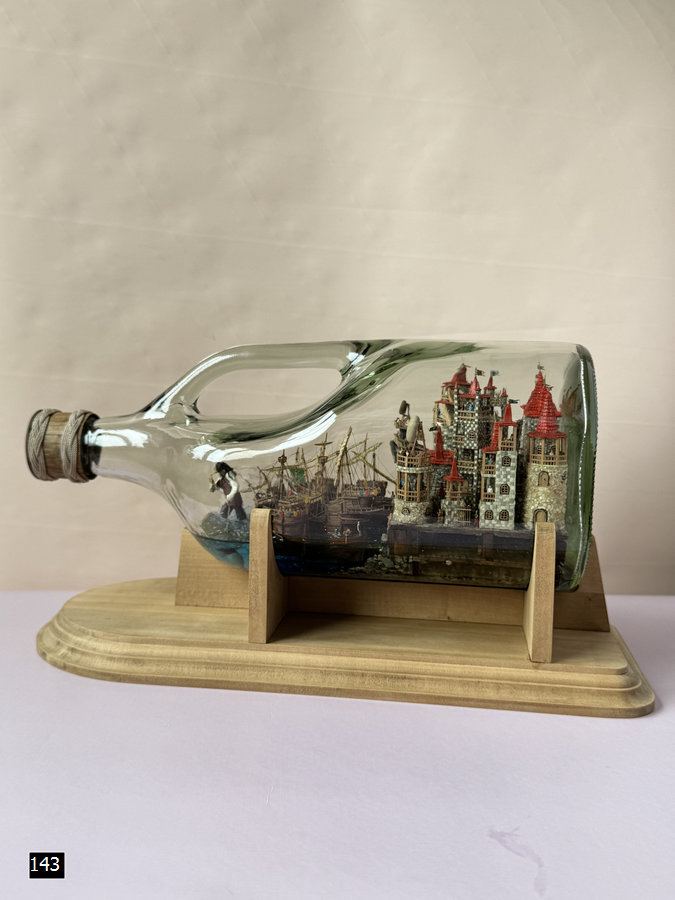
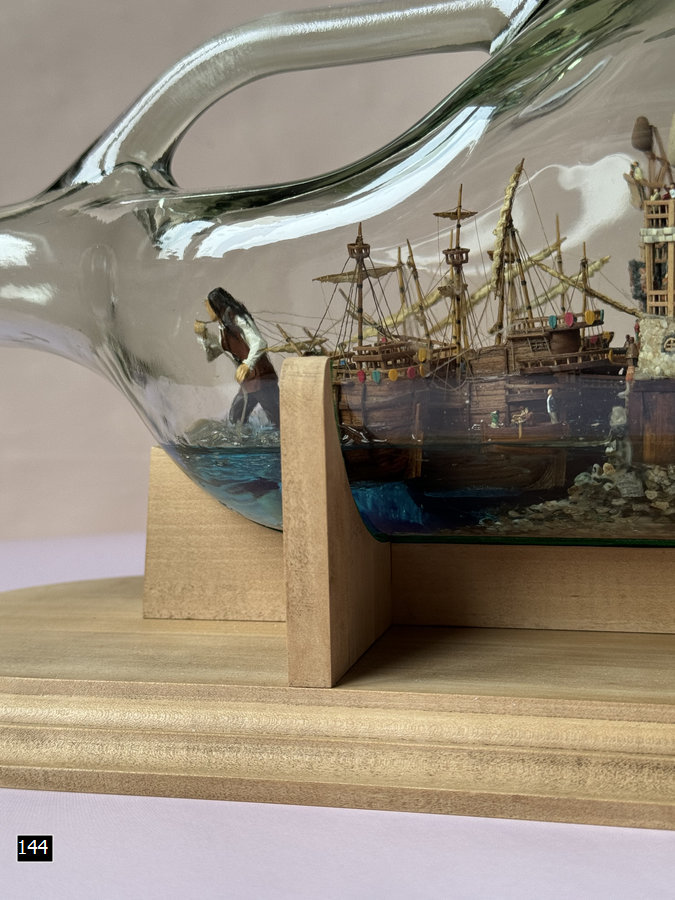
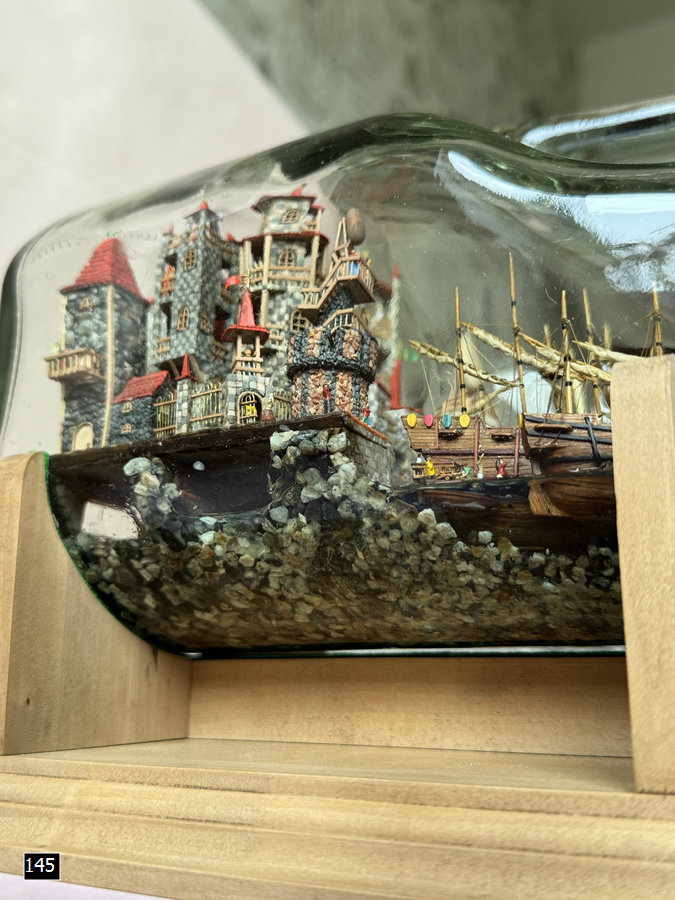
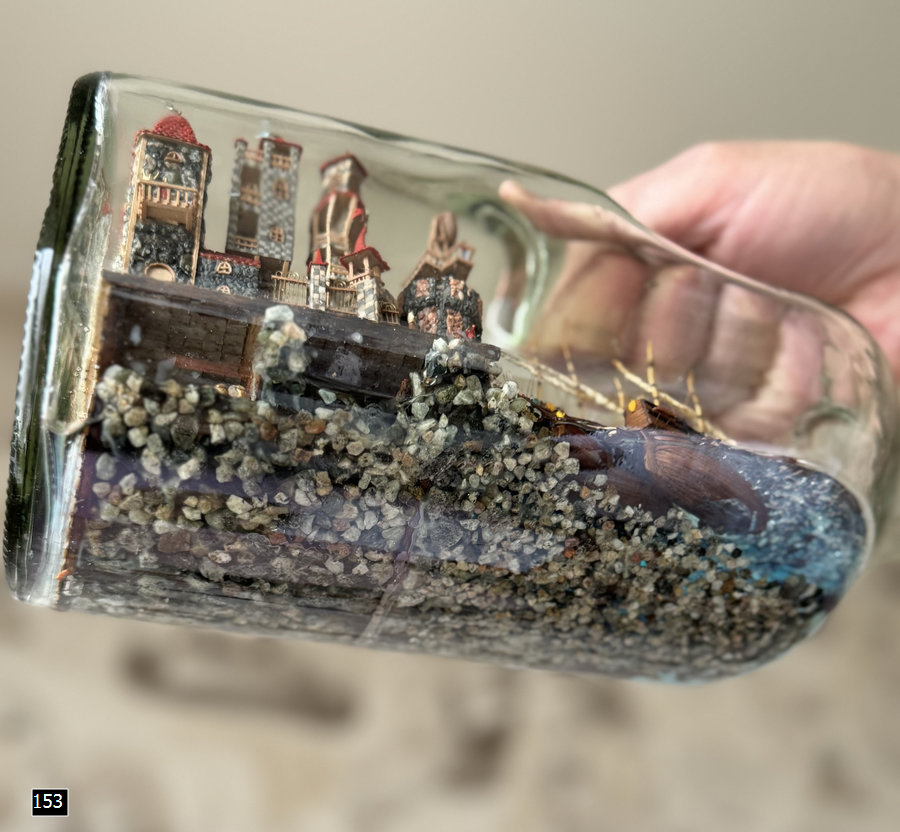
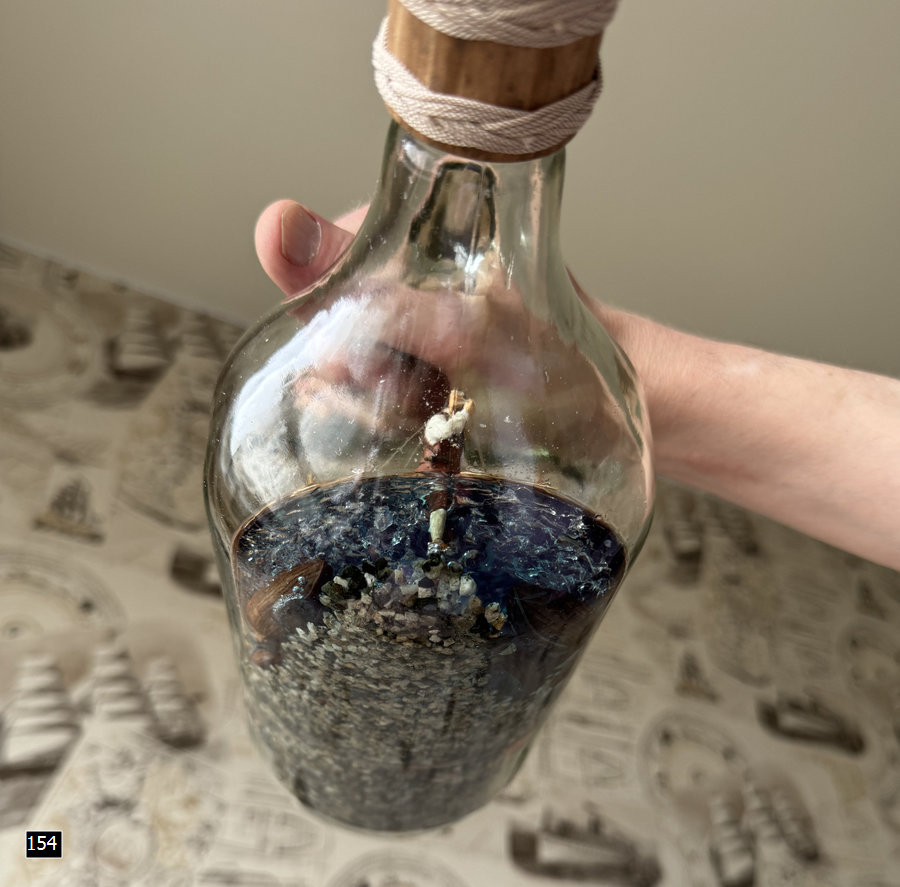
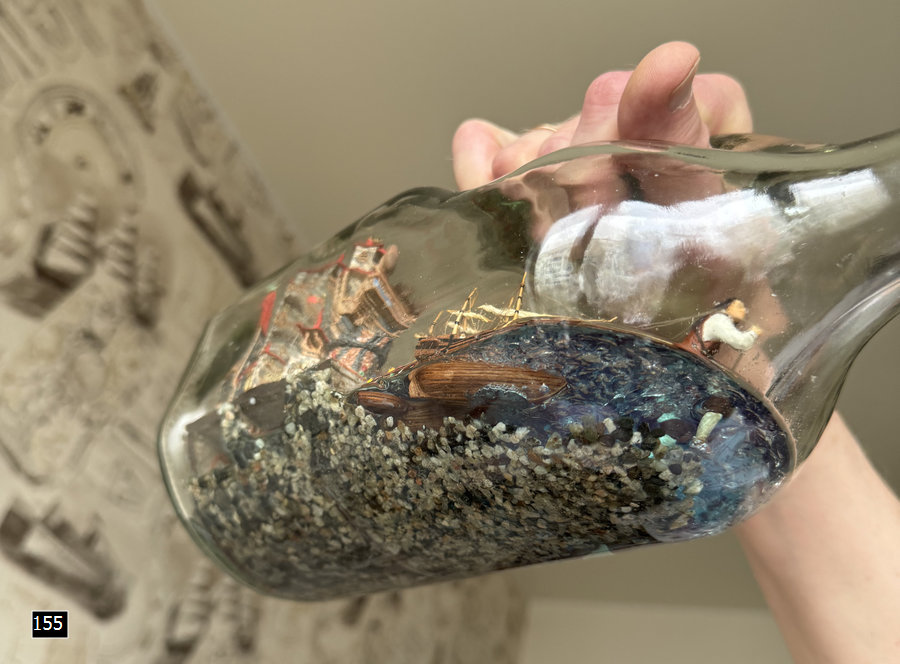
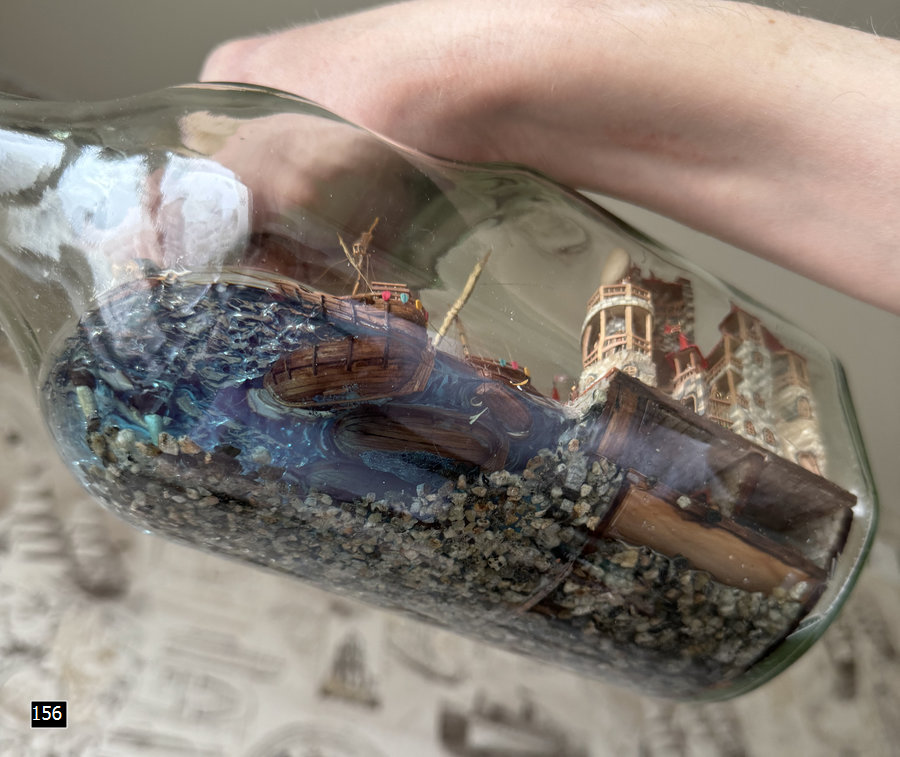
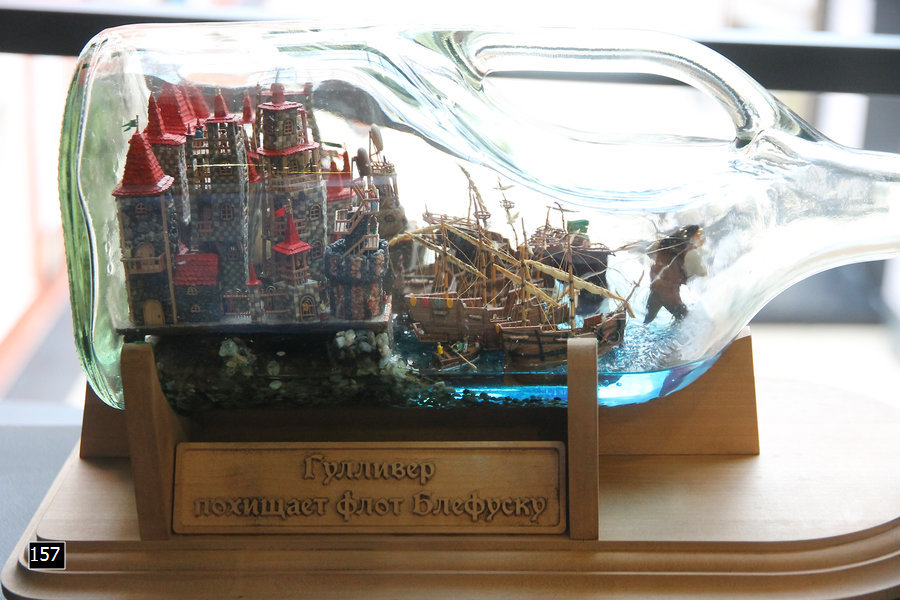
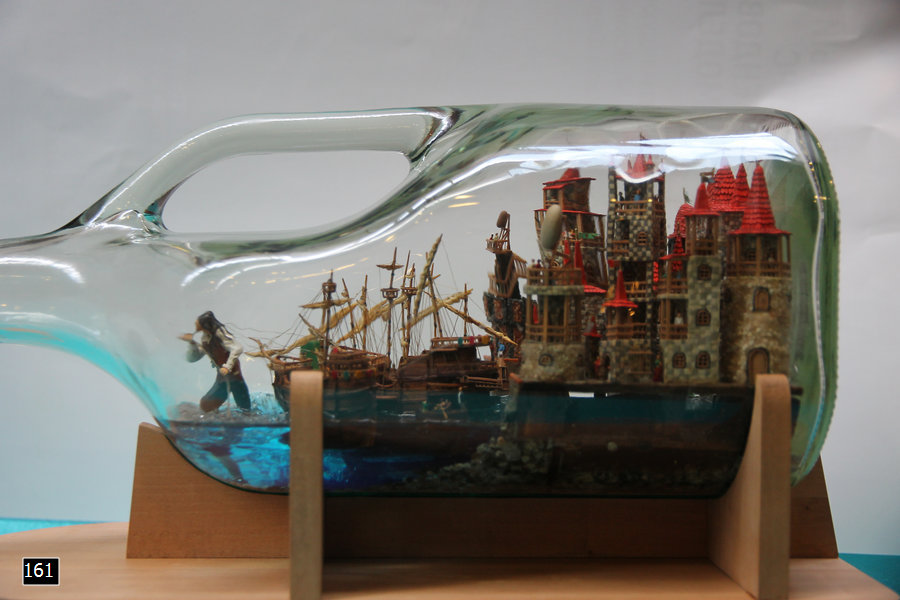
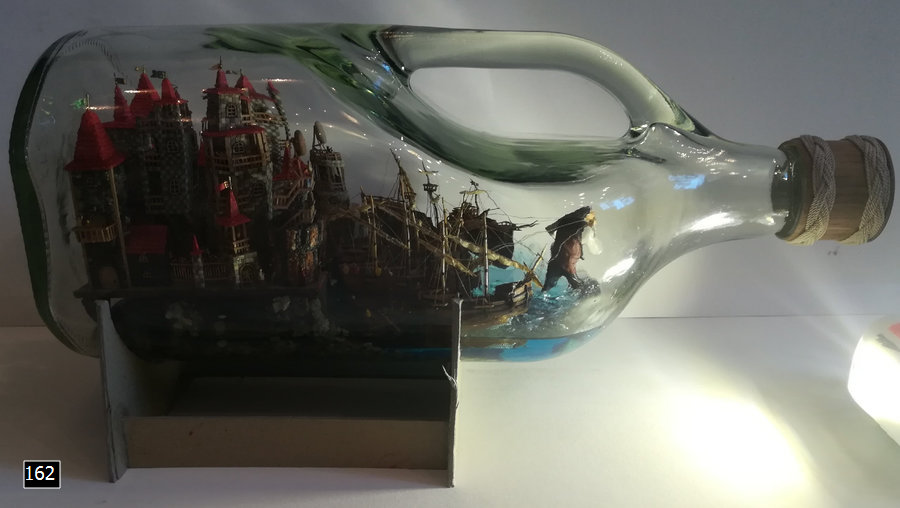
This project has one more particularity: inside the bottle there are many objects, quite densely packed. And just glancing at the bottle, you can see the composition as a whole: the city with its dense buildings, the fleet and the forest of masts, and, somewhat apart, Gulliver, connected to everything else by five cables… But if you start peering into the contents of the bottle, looking at it from different sides, from different angles, you can see many small details of the composition, little scenes, even mini-stories.
I have selected several photos of the finished project so that you too can look at it from different sides.
P.S. In writing this article, I was assisted by my digital colleague — as an editor, a translator, and a good conversation partner, in whose company new thoughts and ideas came to life.
P.P.S. In preparing this article, I tried simply to set out the technical side of the Gulliver project, without being distracted by various "lyrical" digressions, reflections, etc. The full version of this story — 45 pages of text and 246 photographs — will be published in the EASIB quarterly magazine Bottleship starting with the first issue in February 2027.